
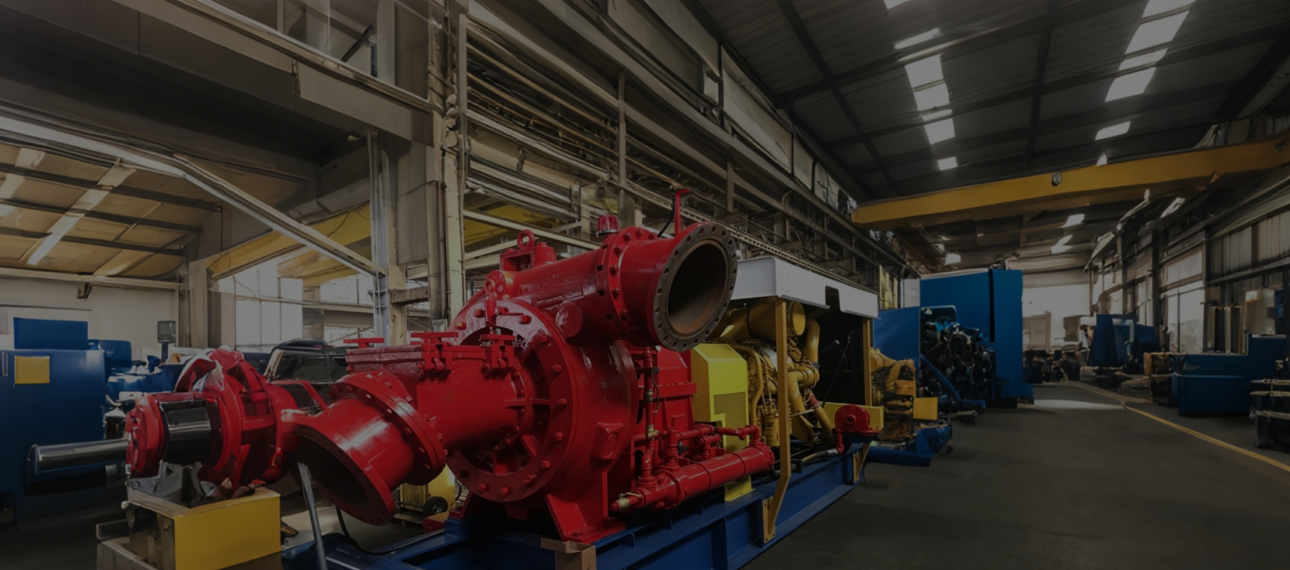




What Are the Respective Roles of the Impeller and Casing in a Slurry Pump?
The impeller and casing are critical wet-end parts in slurry pumps, gravel pumps, and dredge pumps. They come into direct contact with mineral slurry, sand slurry, sludge, and other particulate-laden media, so their structure, dimensions, and materials significantly impact the pump's flow rate, head, particle passing capability, operating efficiency, and wear resistance.
Driven by an electric motor or other drive unit, the impeller rotates to transfer mechanical energy to the medium, imparting flow velocity and pressure to the slurry. The impeller's diameter, blade count, blade profile, passage size, and direction of rotation must match the specific pump model and duty point.
The pump casing houses the impeller and directs the medium discharged from the impeller toward the outlet. Depending on the pump type, the casing may feature a volute, split casing, or other configurations. It must also withstand medium pressure, particle erosion, and installation loads.
If the dimensions, clearances, or structures of the impeller and casing do not match, issues such as insufficient flow, head drop, vibration, rubbing, leakage, or abnormal wear may occur.