



What are you looking for?
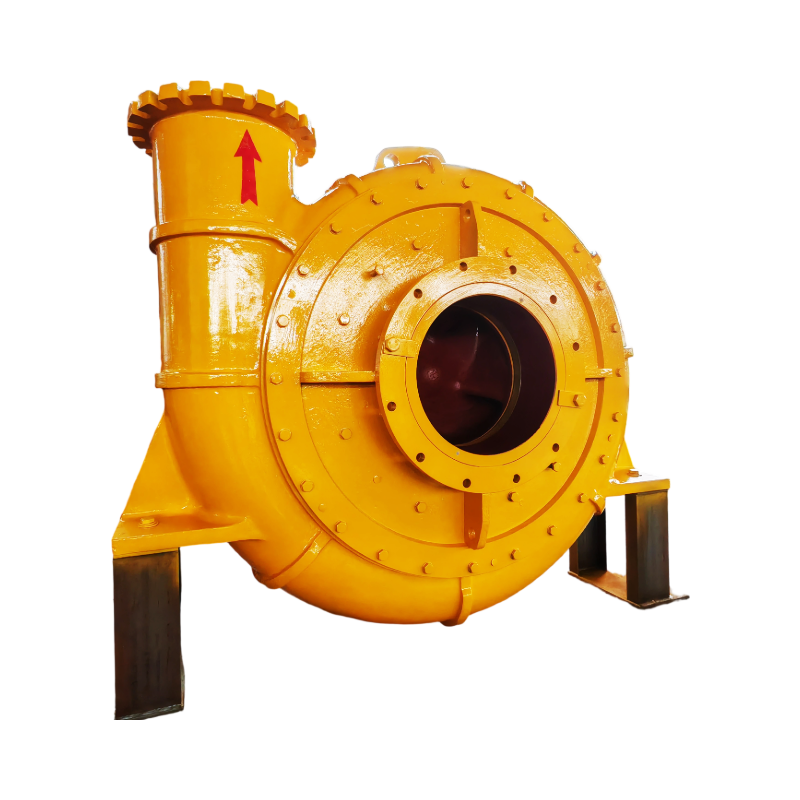
CWN Dredge Pump
The CWN dredging pump is specially designed for river dredging, sand mining and land reclamation, and port desilting operations. Featuring high-chromium wear-resistant alloy wet-end parts, it offers advantages such as large flow rate, deep suction lift, high wear resistance, and high efficiency. It can stably convey high-concentration slurry, sand, gravel, and mineral pulp media, making it an ideal choice for various dredging projects.
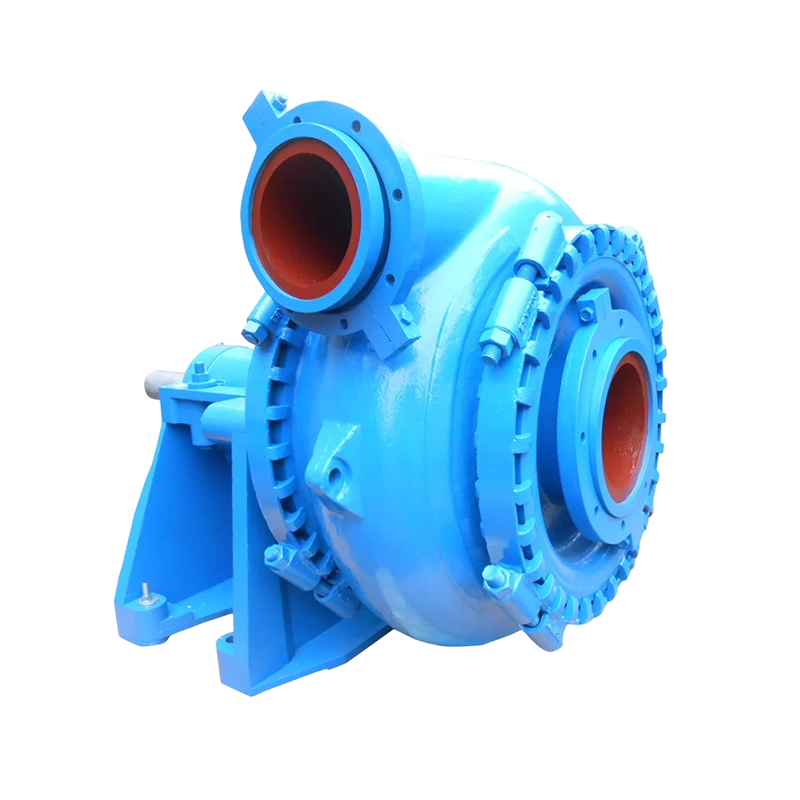
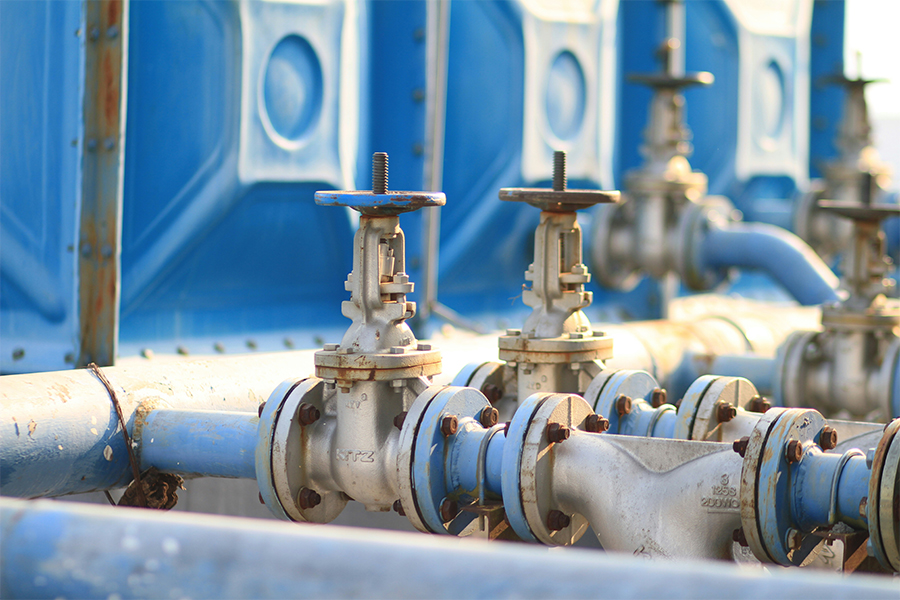
CG/CGH Heavy-Duty Gravel Pump
CG/CGH heavy-duty gravel pumps are designed for conveying highly abrasive materials containing particles too large to be transported by ordinary slurry pumps, such as in mining, power plants, river dredging, tunneling, tailings, and special applications. The gravel pump features a single-casing structure with smooth flow passages. Wet-end parts are made of high-chromium wear-resistant alloy. The discharge direction of the pump can be adjusted according to the required direction.
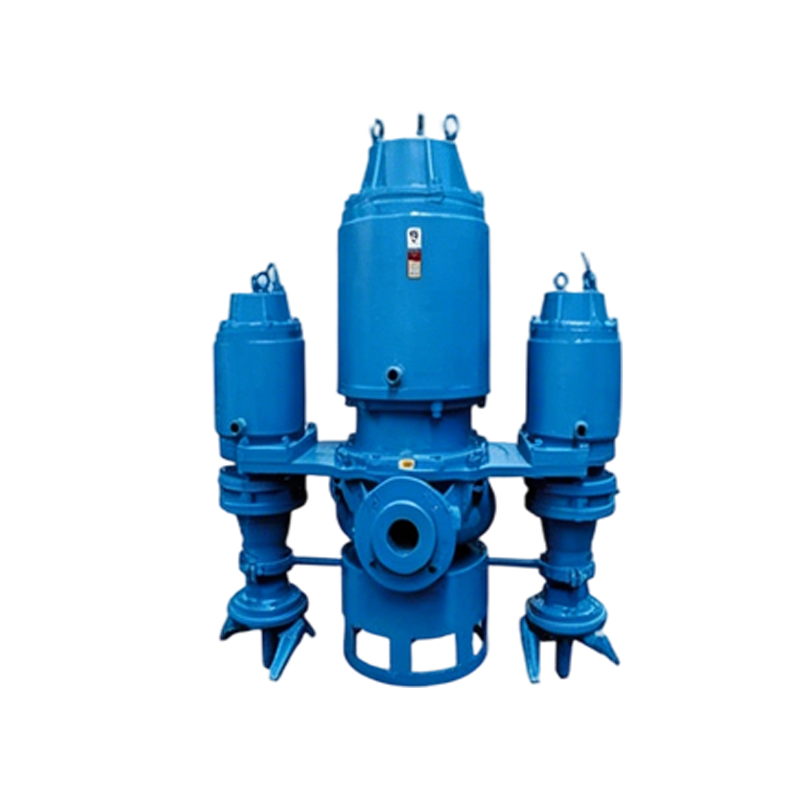
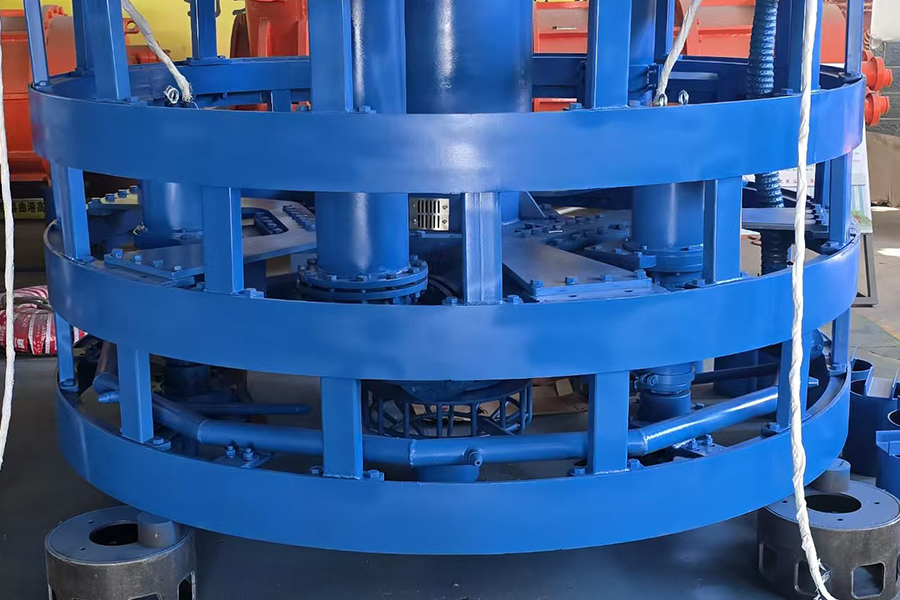
Forced Cooling Submersible Slurry Pump
The forced cooling submersible slurry pump features an external circulation cooling system that maintains stable motor heat dissipation under low liquid level or continuous heavy-duty conditions. Operating reliably with a long service life, it is particularly suitable for mine slag discharge, municipal engineering, and long-term continuous operation environments.
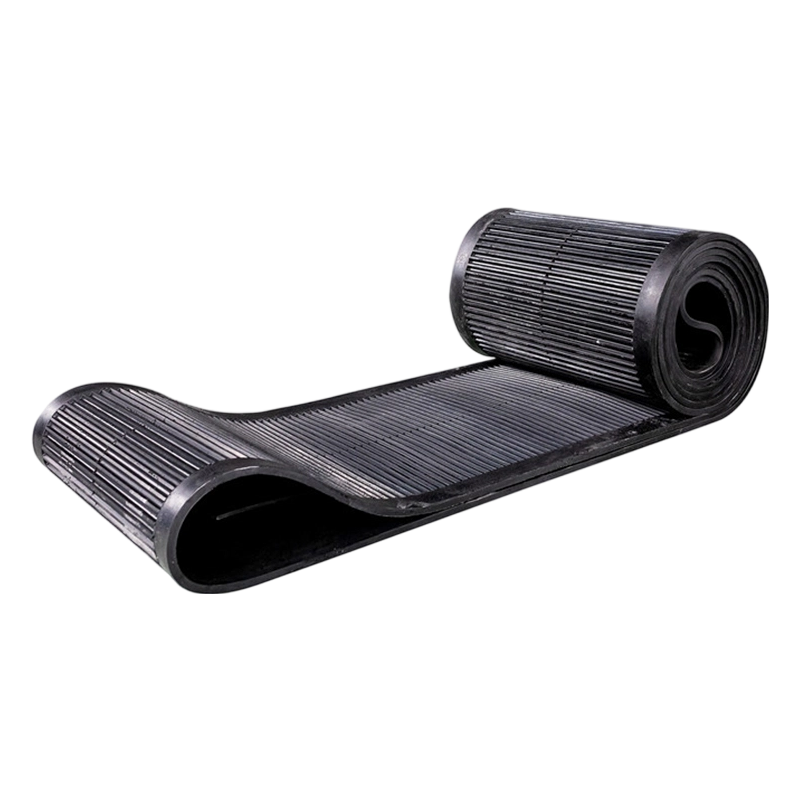
Vacuum Belt Filter Rubber Belt
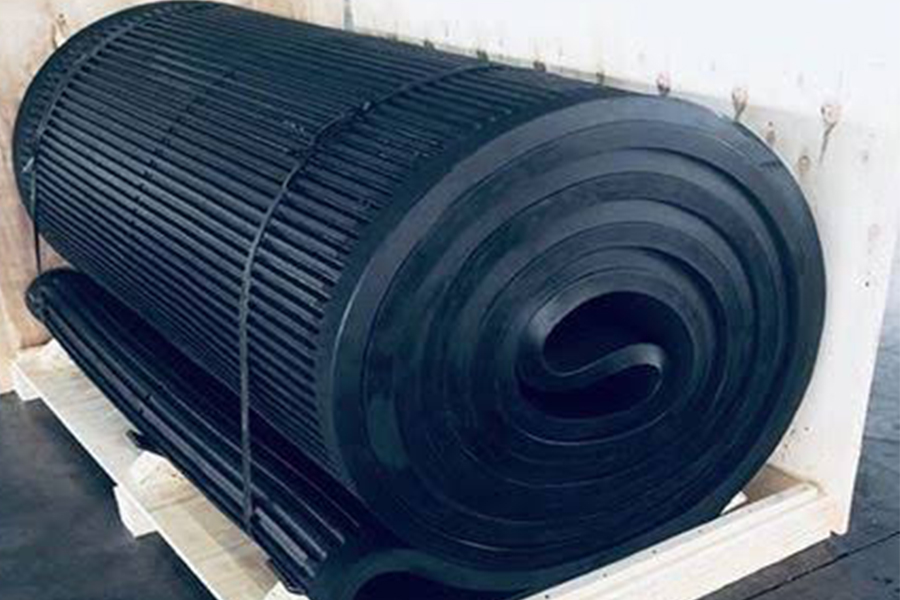
The vacuum belt filter rubber belt is the core load-bearing and drainage component of horizontal vacuum belt filters. Vulcanized from a high-strength carcass layer and wear- and corrosion-resistant rubber, it features low elongation, fast filtration, and resistance to acids, alkalis, and aging, and is used for continuous solid-liquid separation and dewatering in chemical, metallurgical, environmental protection, and other fields.
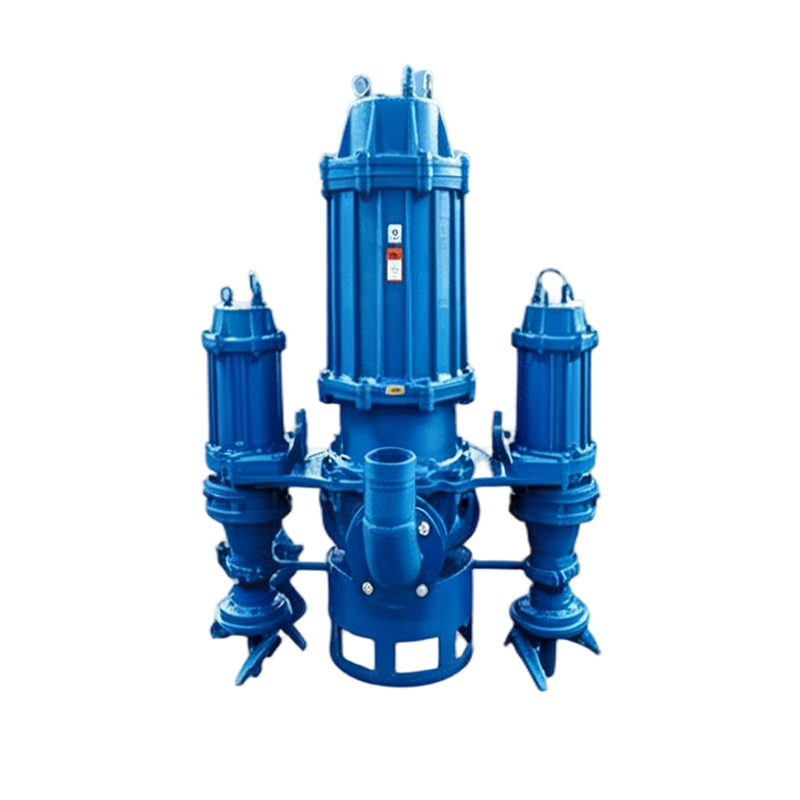
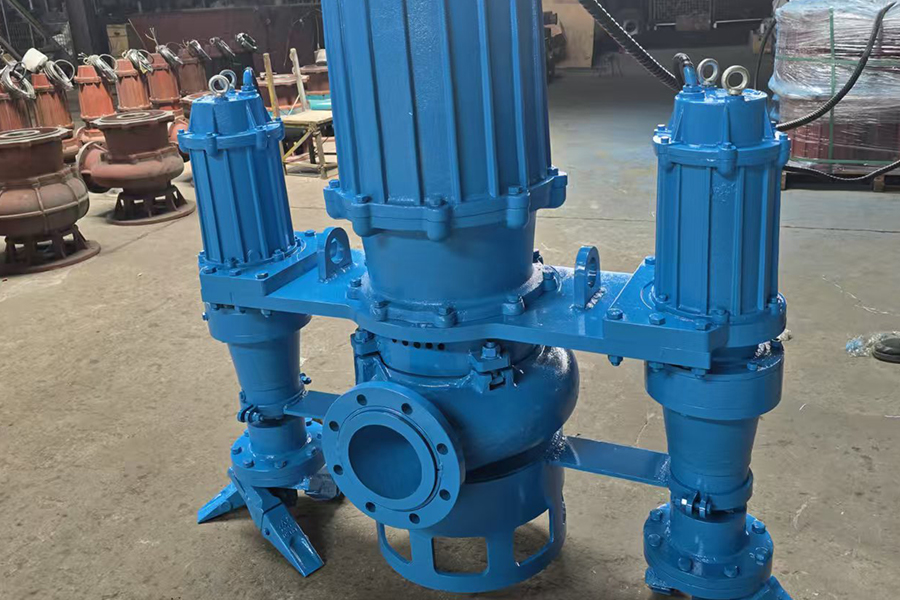
Agitator Submersible Slurry Pump
Equipped with an efficient agitator, the pump agitates settled silt, ore pulp, and tailings for direct transfer, enabling simultaneous mixing and discharge. Featuring high suction efficiency, clog resistance, and wear resistance, it is widely used in mining, river dredging, and sedimentation basin desilting.
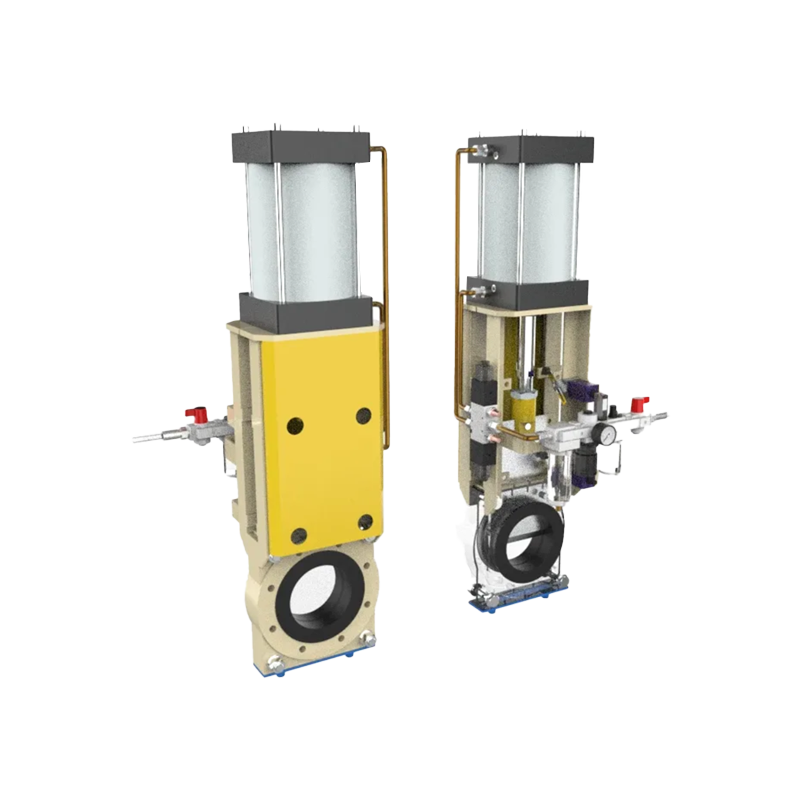
Knife Gate Valve
Specializing in the production of knife gate valves, covering various actuation methods such as manual, pneumatic, and electric. The valve body features a wear-resistant sealing design and an unobstructed flow path, suitable for working conditions including slurry, tailings mud, and sewage discharge. The product is compact in structure, flexible in operation, and supports non-standard customization.
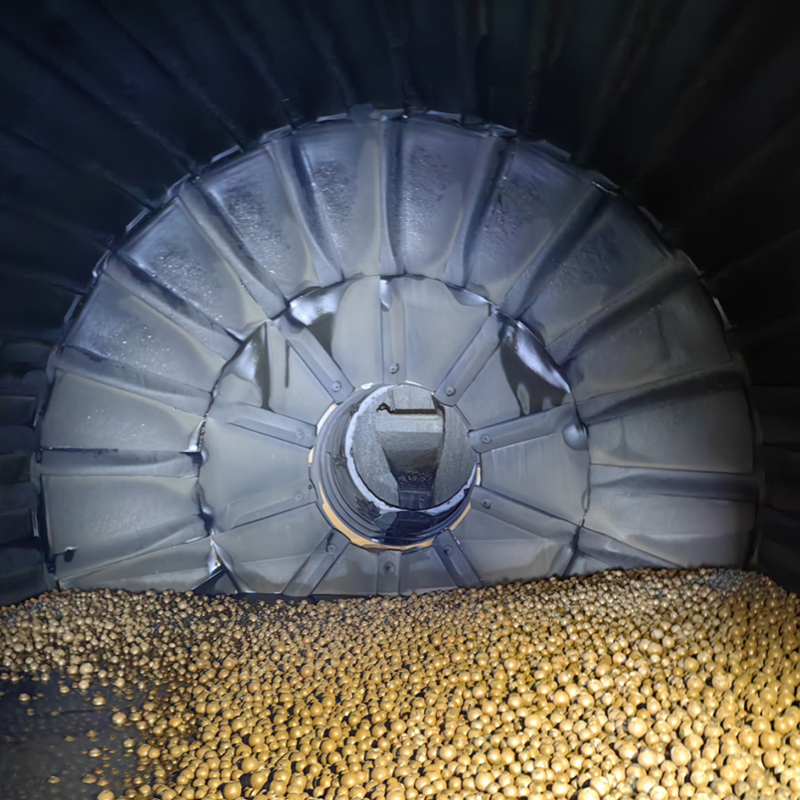
Ball Mill Rubber Liner
In mining production, the importance of mill liners cannot be ignored. They shoulder the critical task of protecting equipment, acting as a loyal guardian shielding the mill from various wear and impacts. Meanwhile, mill liners have a major impact on mill performance. A high-quality liner can significantly boost working efficiency and stability, bringing numerous benefits to production. Rubber mill liners offer many advantages. First, they provide customers with longer wear life. Through meticulous design and rigorous testing, this rubber liner boasts exceptional wear resistance and maintains good performance over prolonged use.

Steel-Rubber Composite Mill Liner
Rubber-steel mill liners ingeniously combine the advantages of rubber and steel, fully leveraging the desirable properties of both materials through this innovative combination. On one hand, the robustness and wear resistance of steel provide a reliable foundation for the liner, enabling it to withstand high-intensity wear and impact during mill operation. On the other hand, the elasticity and cushioning properties of rubber play a vital role, significantly dampening impact forces and reducing damage to both the liner and the mill. Furthermore, the inclusion of rubber markedly reduces the liner's weight. This not only makes installation and replacement faster and more convenient, but also reduces the load on the mill structure and lowers energy consumption.
.png)
Ceramic Slurry Pump
The ceramic slurry pump is a centrifugal slurry pump specially designed for highly abrasive and corrosive working conditions. Its key wet-end parts are manufactured from high-performance engineering ceramic materials, offering outstanding wear and corrosion resistance. The product is widely used in mineral processing, tailings transport, power plant desulfurization, metallurgy, chemical industry, and municipal engineering, stably conveying slurry media containing solid particles over the long term.
.png)
CSP Series Sump Slurry Pump
The CSP series sump pump is a vertical pump that does not require any shaft seal or seal water. When a deeper sump is required, it can operate normally even under insufficient suction conditions, and lip seals and packing seals can also be used to accommodate greater liquid depths. This series offers various combinations of metal and rubber wet-end components to adapt to diverse applications. Available metals include A05 white iron, cast stainless steel alloys, and corrosion-resistant white iron.
.png)
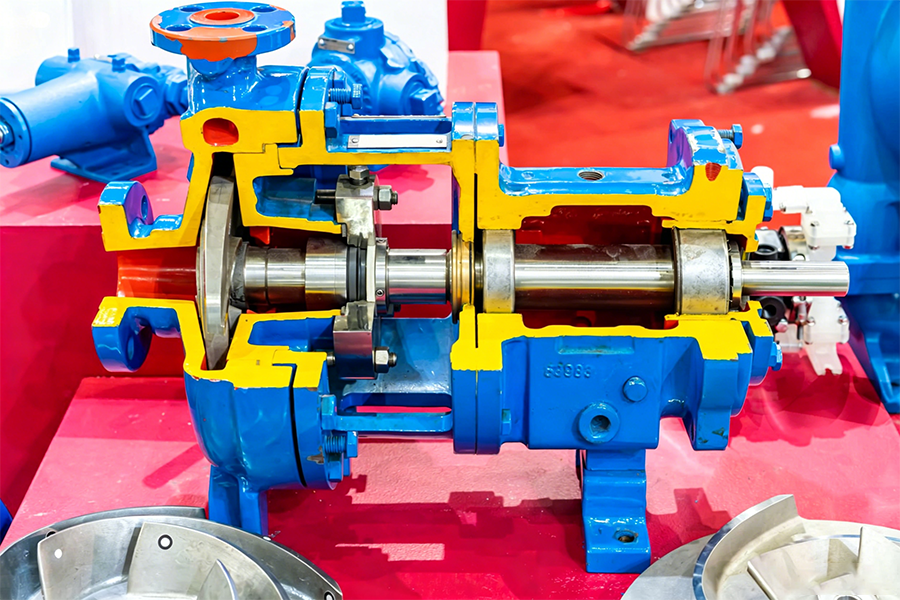
CAH/CHH Heavy-Duty Slurry Pump
The CAH/CHH heavy-duty slurry pump is a highly wear-resistant, high-head, heavy-duty slurry pump designed for high-concentration, highly abrasive, and harsh working conditions. Featuring a heavy-duty structural design, it delivers stable operation and strong conveying capacity, and is widely used in mining, metallurgy, electric power, and tailings treatment industries.
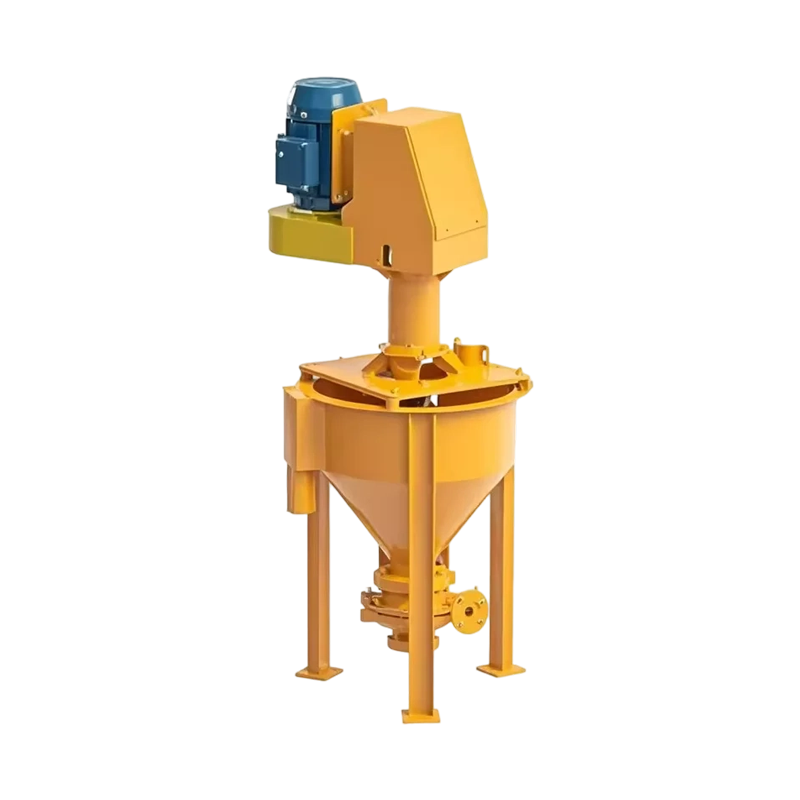
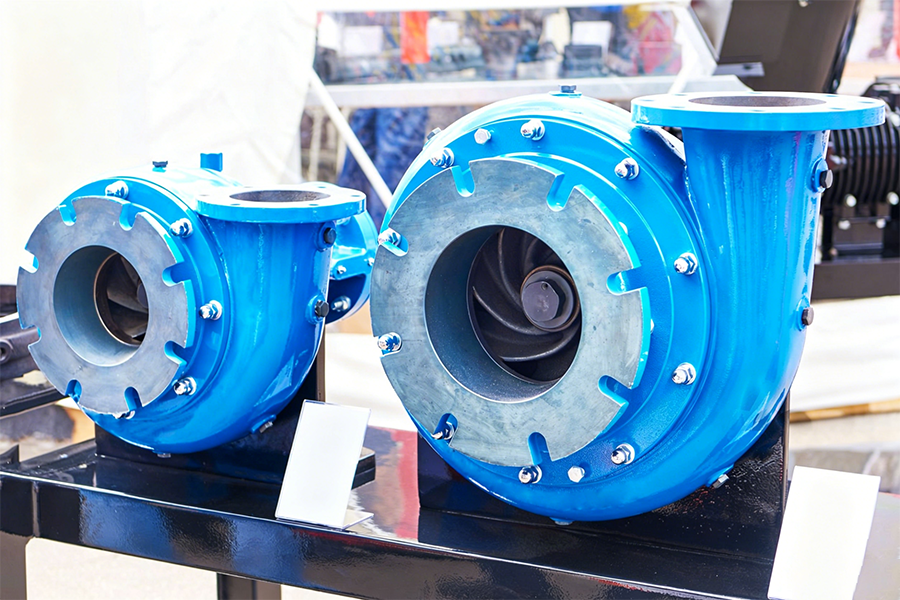
CAF Series Froth Pump
The AF series froth pump is specially designed to handle heavy froth slurries in mineral processing applications such as flotation, thickening, and tailings. For conveying froth-laden slurry, it can be divided into vertical froth pumps and horizontal froth pumps. It features high froth handling capability, high pump efficiency, long wear life, and stable performance.
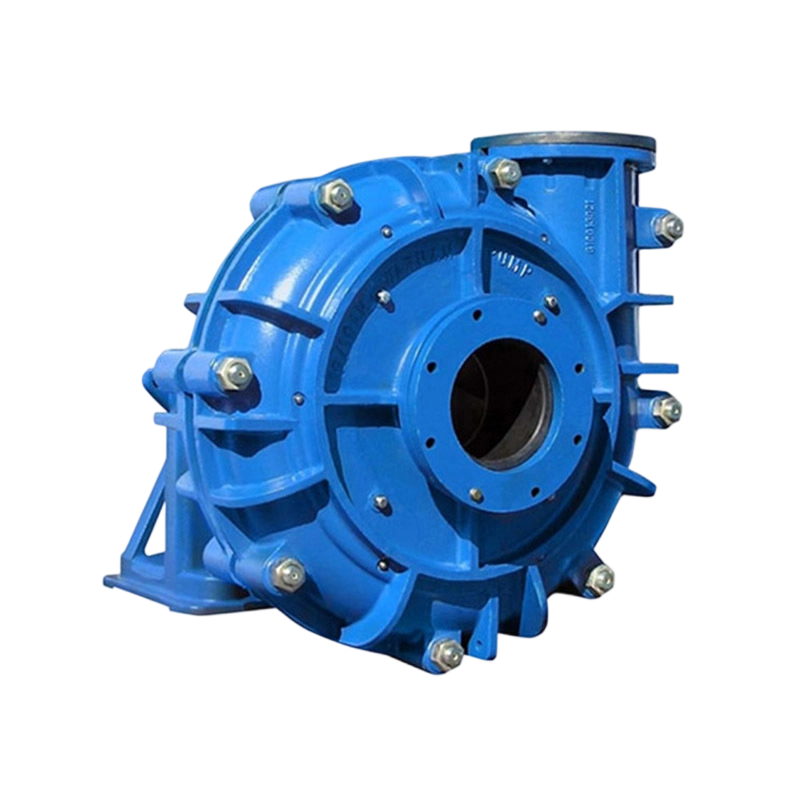
CAHR Rubber Centrifugal Pump
The CAHR rubber centrifugal pump is a wear-resistant and corrosion-resistant slurry pump designed with a rubber-lined structure, mainly used for handling fine-particle, corrosive, and light-to-medium abrasive slurry media. Featuring corrosion resistance, stable operation, excellent sealing performance, and easy maintenance, the product is widely used in mining, coal washing, power generation, metallurgy, chemical, and environmental protection industries.
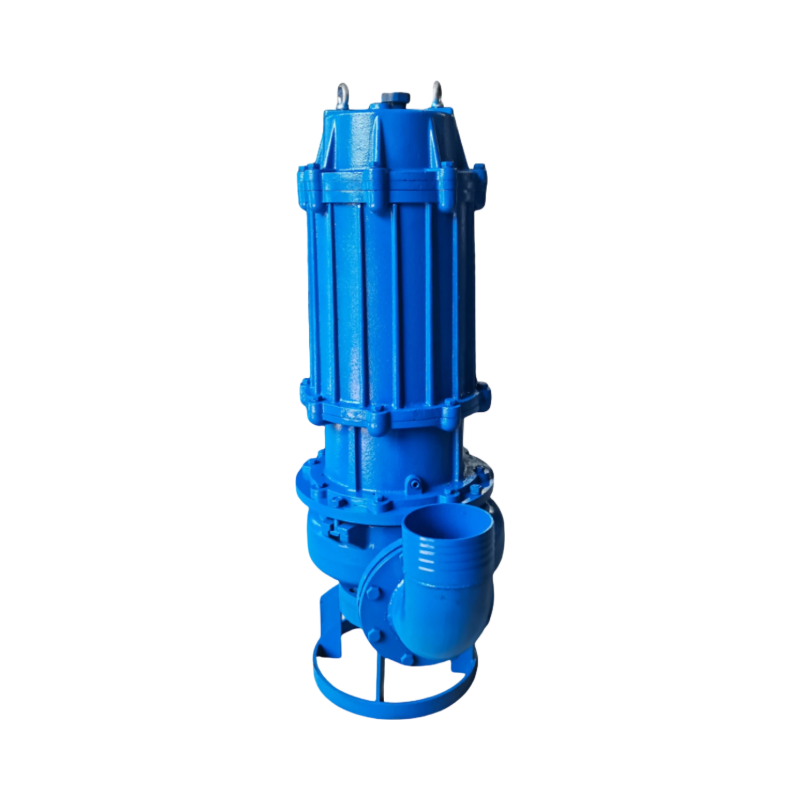
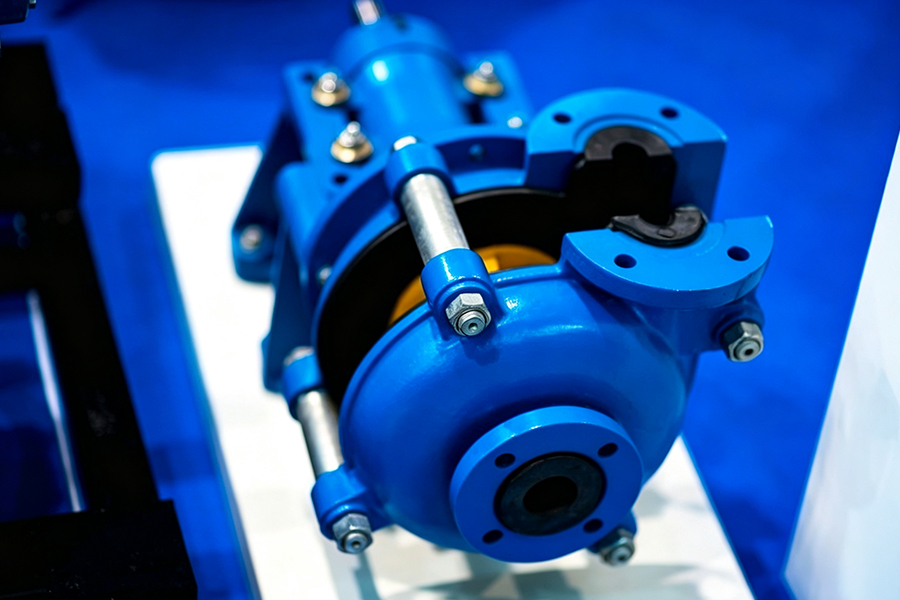
SZQ Submersible Slurry Pump
The SZQ submersible slurry pump is an integrated submersible slurry pump with a coaxial direct-coupled motor and pump body. The entire unit can operate completely submerged in the medium, specifically designed for handling high-concentration, highly abrasive slurries containing large amounts of solid particles. Featuring a compact structure, reliable sealing, and outstanding wear resistance, this pump is suitable for deep water, pits, sumps, and complex operating conditions, and is widely used in mining, metallurgy, electric power, dredging, and municipal engineering fields.
.png)
CLR, CMR Light Duty Slurry Pump
CLR/CMR light-duty slurry pumps are suitable for conveying low-concentration, fine-particle, and light-abrasive slurries, featuring high efficiency, energy saving, smooth operation, and easy maintenance. They are widely used in slurry conveying systems across mineral processing, coal washing, electric power, and environmental protection industries.
.png)
CMCR Mill Underflow Slurry Pump
The CMCR mill underflow pump is a heavy-duty slurry pump specially designed for mill underflow and high-concentration slurry transportation conditions, featuring large flow rates, superior large-particle passage capacity, and excellent wear resistance. It is suitable for continuous heavy-duty applications such as mineral processing, ball mill circulation, and tailings transportation.
.png)
CSPR Rubber Submerged Sump Pump
The CSPR rubber submerged sump pump is a vertical submerged slurry pump designed with a wear-resistant rubber-lined structure, suitable for handling corrosive, fine-particle, and light-to-moderate abrasive slurry media. Featuring a shaft-seal-free design and stable operation, it offers excellent corrosion resistance, wear resistance, and easy maintenance. It is widely used in pit and sump slurry conveying systems across mining, coal preparation, chemical, power, and environmental protection industries.
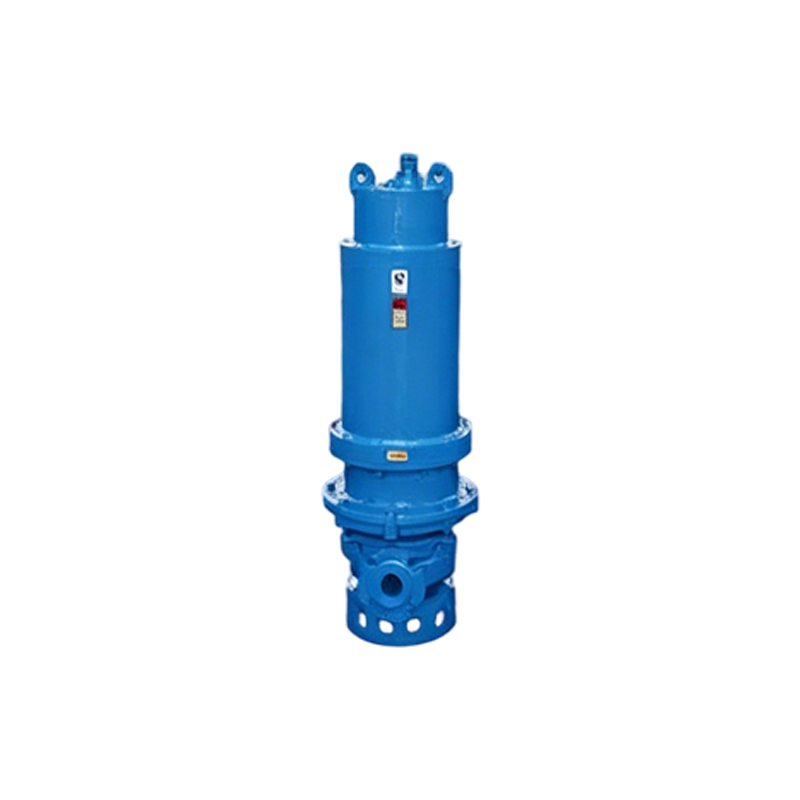
Explosion-proof Submersible Slurry Pump
The explosion-proof submersible slurry pump adopts an explosion-proof motor and sealing system design, enabling safe and stable operation in flammable and explosive environments. Featuring wear resistance, corrosion resistance, and excellent sealing performance, this product is widely used in coal mining, petrochemical, chemical, and other specialized industries.
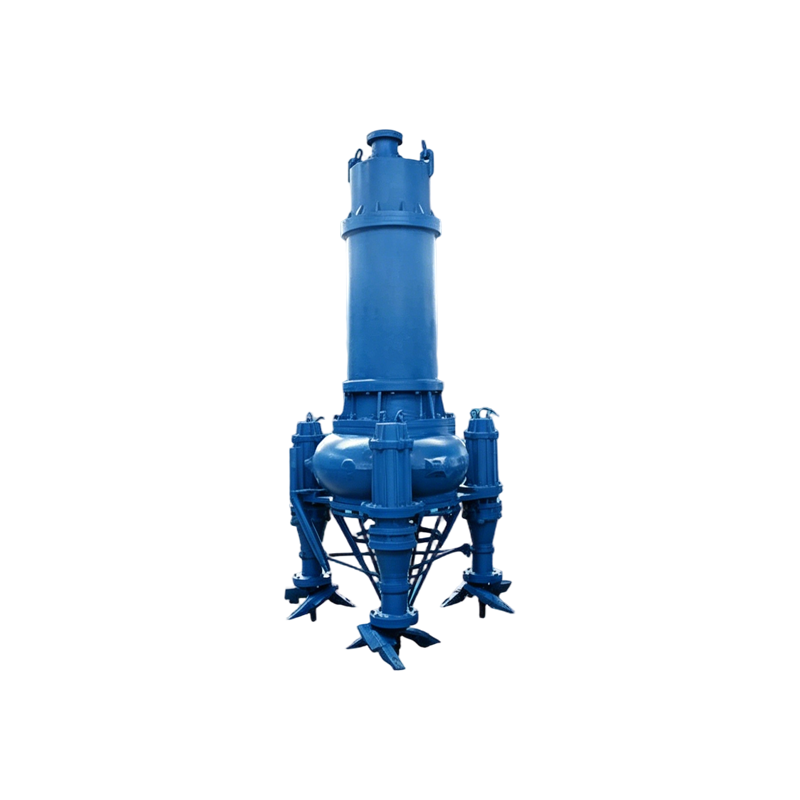
High-Flow Submersible Slurry Pump
The high-flow submersible slurry pump is specifically engineered for large-scale slurry handling operations, offering benefits such as high flow rates, superior solid passage capability, and high operating efficiency. It rapidly transports media containing sand, ore pulp, and other high-concentration slurries, making it widely used in sand mining, dredging, and large-scale mining engineering.
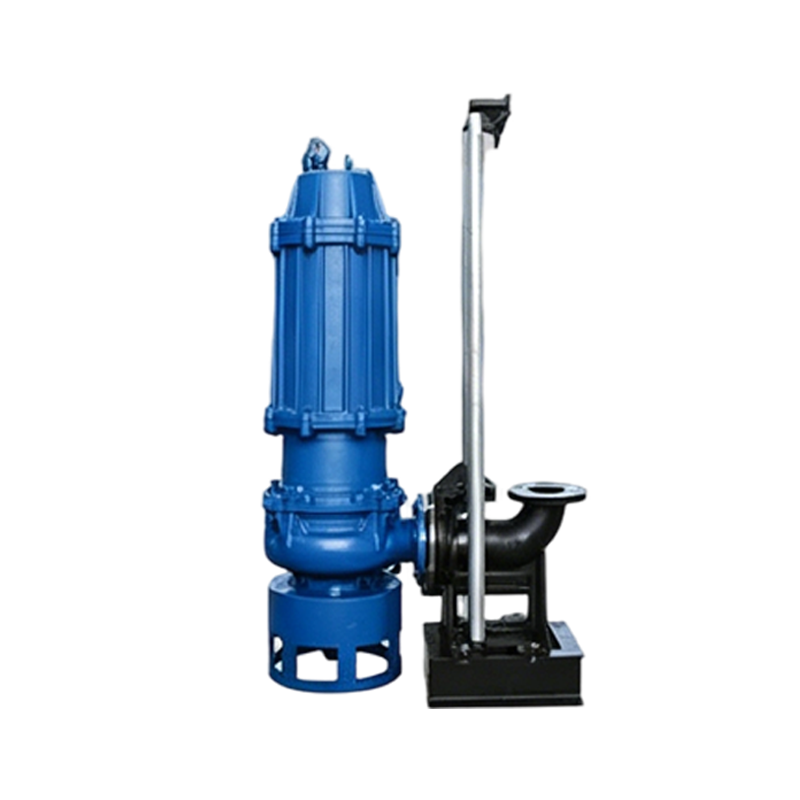
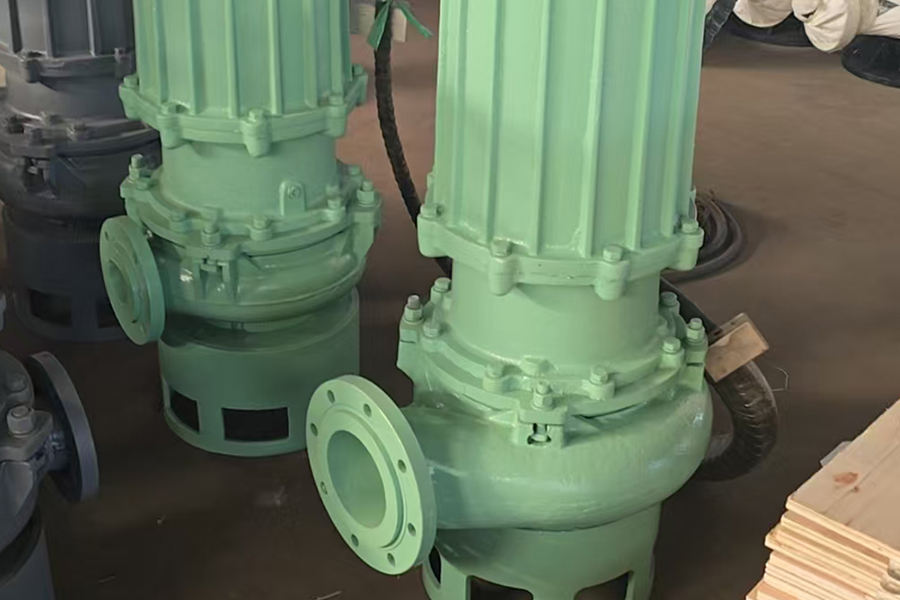
Direct-Coupled Submersible Slurry Pump
The direct-coupled submersible slurry pump adopts an auto-coupling installation structure, enabling equipment installation and maintenance without the need to enter the water. Featuring easy installation, stable operation, and low maintenance costs, it is suitable for applications such as fixed pump stations, tailings ponds, and wastewater treatment.
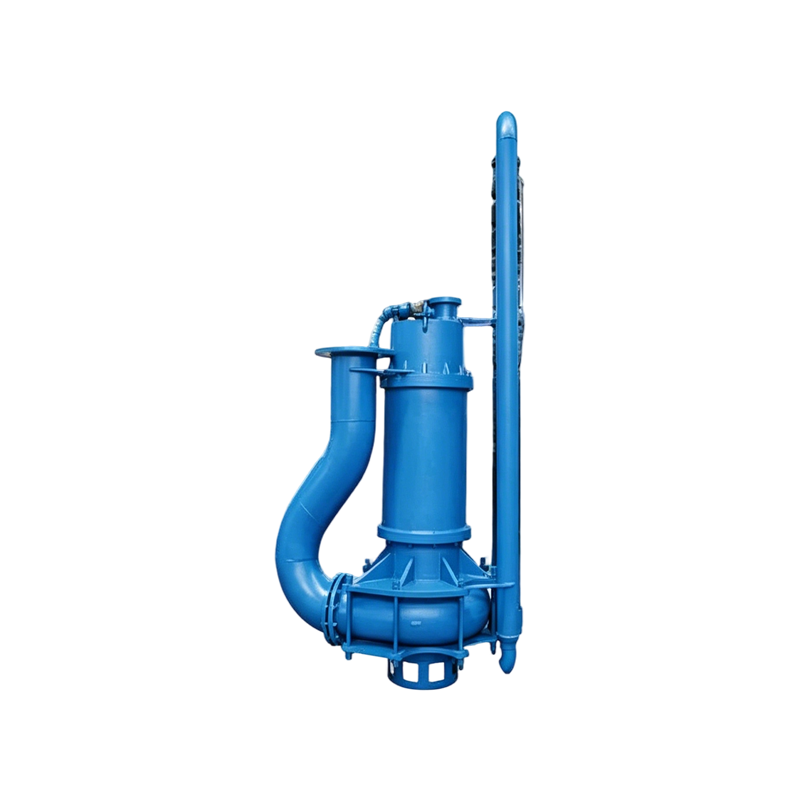
High-Pressure Jetting Submersible Slurry Pump
Integrating high-pressure water jetting and slurry transportation, the high-pressure jetting submersible slurry pump can quickly break up compacted silt and sediment before pumping and discharging, effectively improving dredging efficiency. It is suitable for heavy siltation conditions such as river dredging, port desilting, and tailings handling.
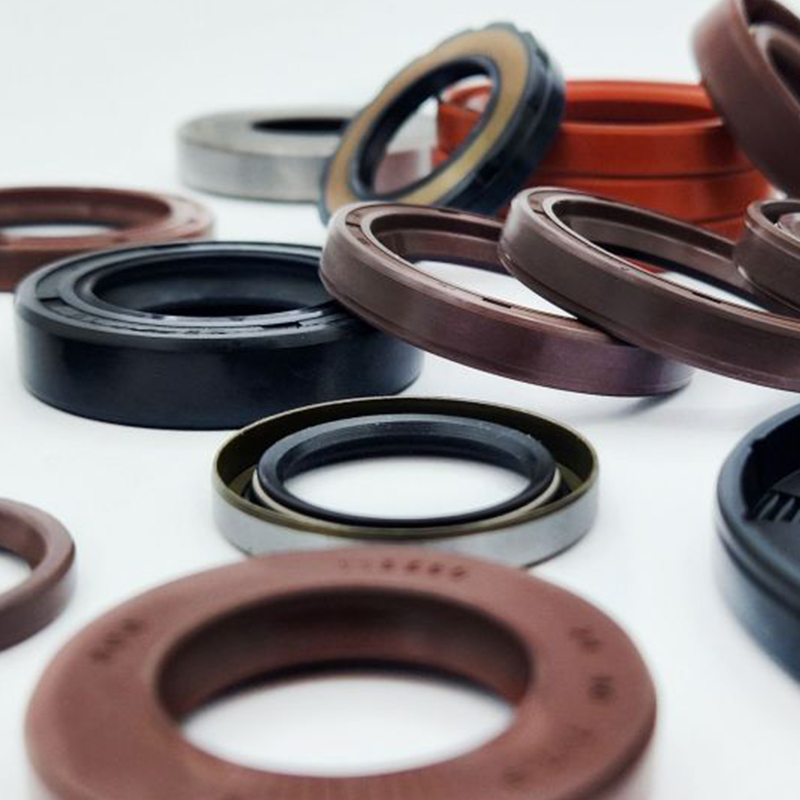
Oil Seal
An oil seal is a lip-type seal designed for rotating shafts, featuring an internal metal skeleton and a garter spring for support and reinforcement. Primarily installed in the bearing housing or drive end of a pump, it prevents lubricant or grease leakage while blocking external dust, moisture, and contaminants from entering the bearing cavity, serving as a protective barrier to ensure the smooth operation of the pump drive system.
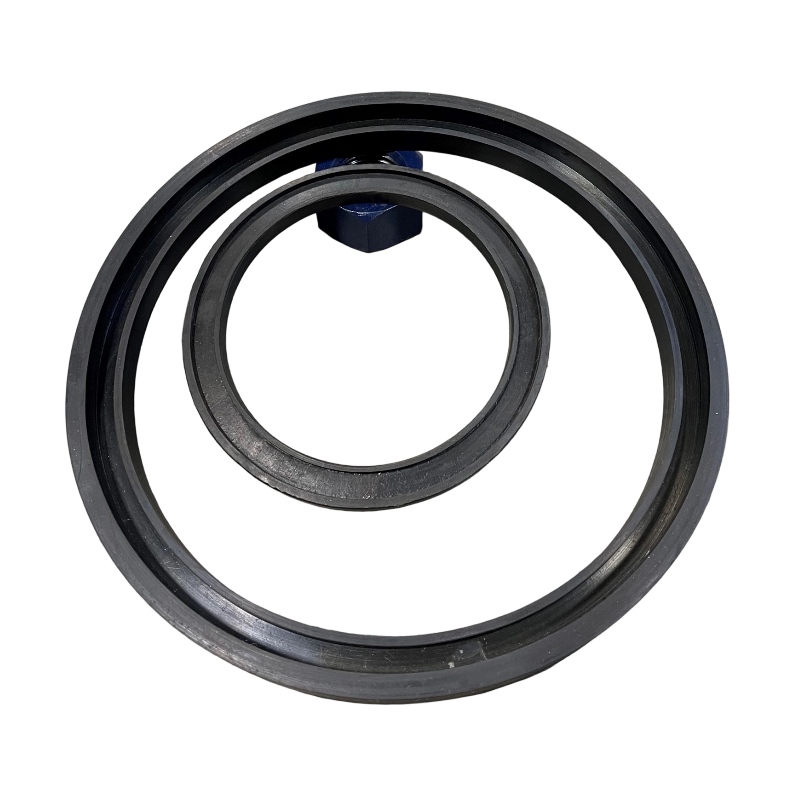
Seals
Industrial pump seals (primarily including mechanical seals, O-rings, skeleton oil seals, and gaskets) are critical sealing and barrier components designed to prevent internal media leakage and external contaminant ingress. Manufactured from premium materials such as high-performance rubber, PTFE, silicon carbide, and cemented carbide, they withstand demanding operating conditions including high pressure, high temperature, high-speed rotation, and severe corrosion, ensuring long-term stable and efficient pump operation.
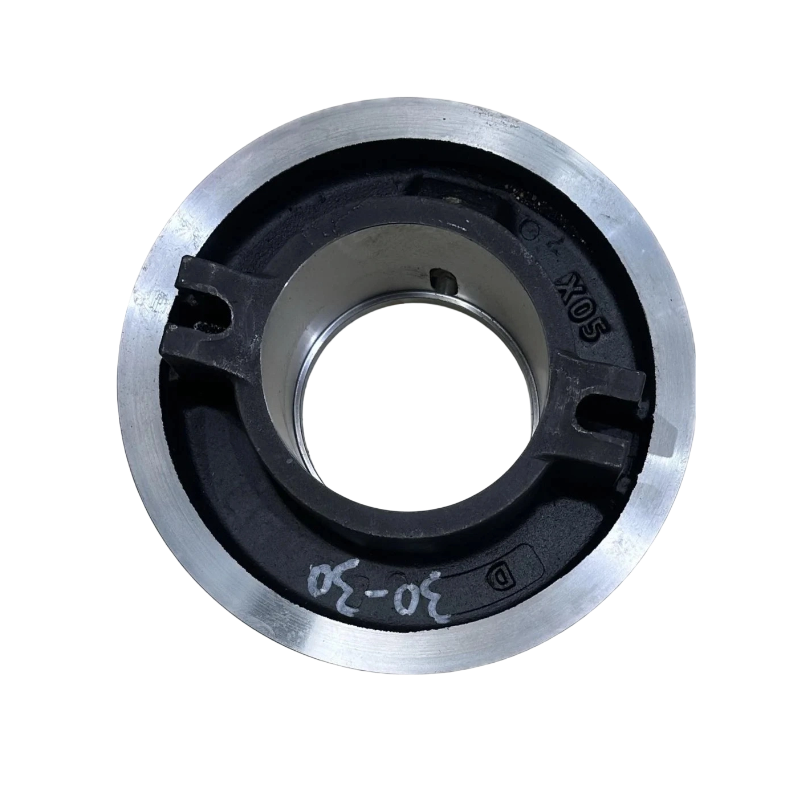
Stuffing Box
The stuffing box (also known as a packing box or shaft seal chamber) is a traditional and classic shaft sealing structure and medium isolation component for industrial pumps. By loading flexible packing (such as compression packing) into the cavity and applying an axial tightening force with a gland follower, the packing expands radially against the pump shaft, thereby preventing fluid leakage and facilitating lubrication and cooling.
Pinch Valve
A pinch valve is a control valve that opens and closes by squeezing an internal rubber sleeve. With the medium contacting only the rubber sleeve, it features a full-bore unobstructed flow path, zero leakage, anti-clogging, and wear-and-corrosion resistance. It is suitable for pipeline control of high-particulate or highly corrosive media such as slurries, sewage, and powders.
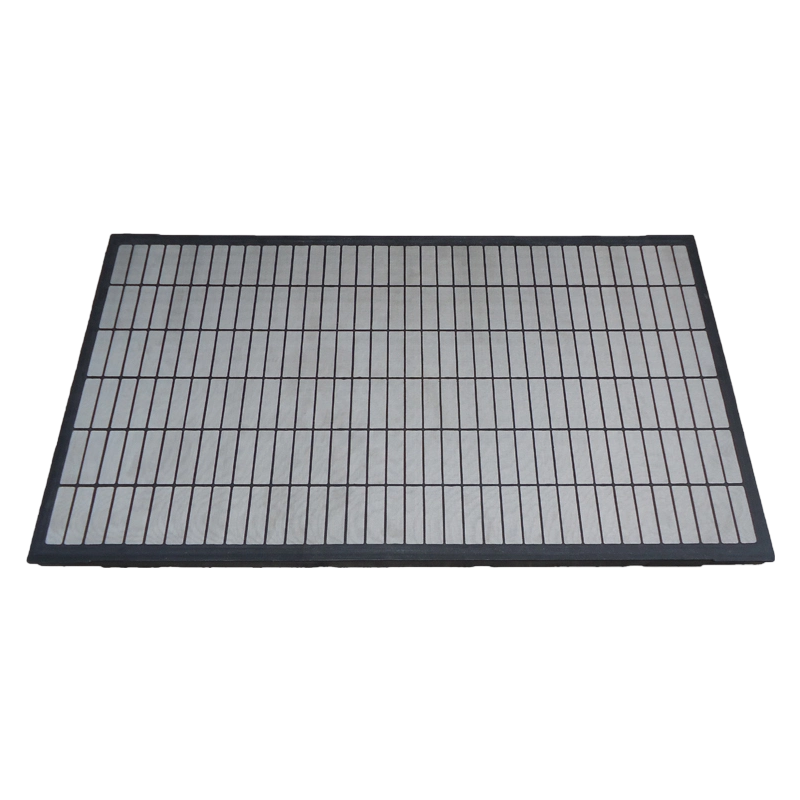
Vibrating Screen Mesh
The vibrating screen mesh is a core screening component woven or manufactured from metal wires or non-metallic fiber filaments through specific processes. It is primarily used for material classification, filtration and impurity removal, and fine particle recovery in industrial production. Featuring high-elasticity and wear-resistant base materials, it effectively reduces adhesion between the material and the screen surface and induces secondary high-frequency vibration in the material, thereby preventing clogging, improving screening penetration rates, and significantly boosting the overall operating efficiency of the vibrating screen.
.png)
Impeller
The impeller is the core wet-end component of a gravel pump, responsible for slurry transportation and power conversion. Precision-manufactured from high-chromium wear-resistant cast iron, the product features outstanding wear resistance, stable operation, and high conveying efficiency, with OEM customization and sample-based processing supported.
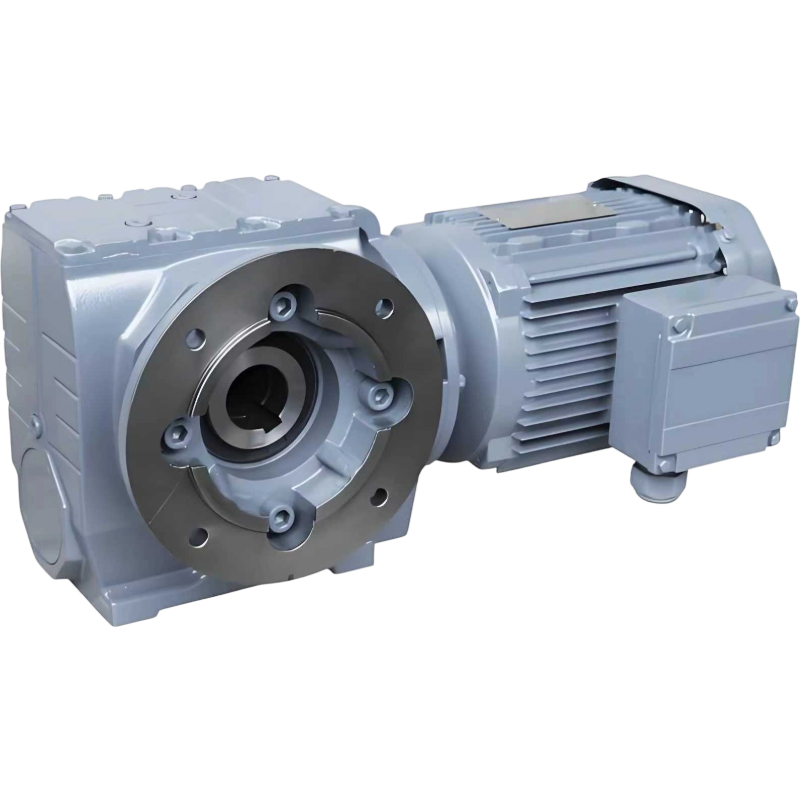
Gearbox
This series of gearboxes is a "force multiplier" specifically designed for heavy-duty water pumps and industrial drive systems. Through precision gear transmission, it converts the motor's high-speed rotation into the high torque and optimal speed required by the pump unit, not only multiplying the system's load capacity, but also ensuring exceptional operational stability under heavy loads and high impacts.
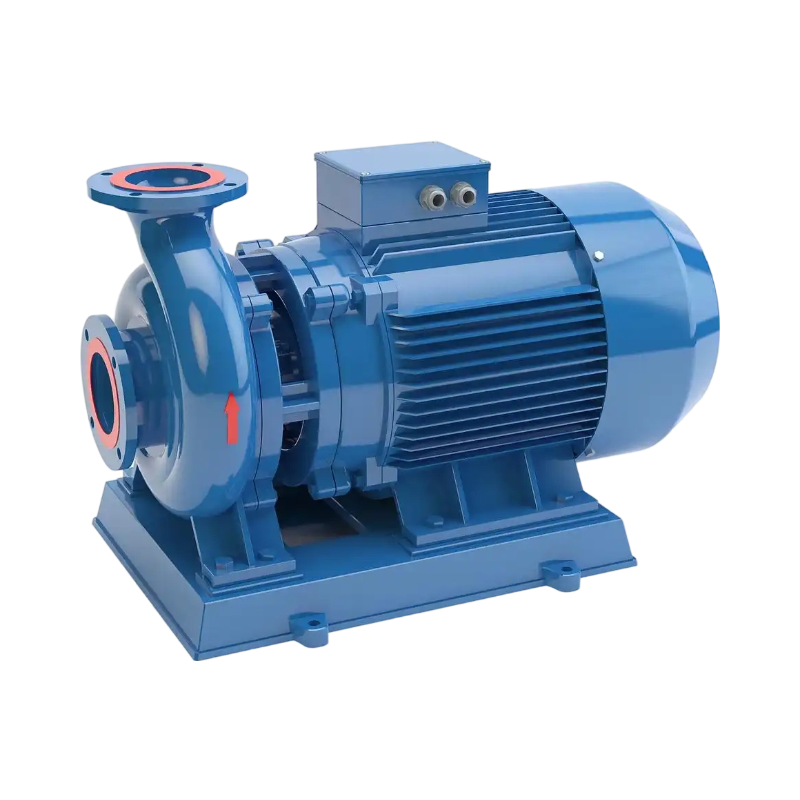
Electric Motor
This series of motors is the core power source specially designed for industrial pumps. It is responsible for efficiently converting electrical energy into mechanical power, driving the pump impeller to rotate at high speeds, thereby achieving high-pressure, stable fluid transportation.
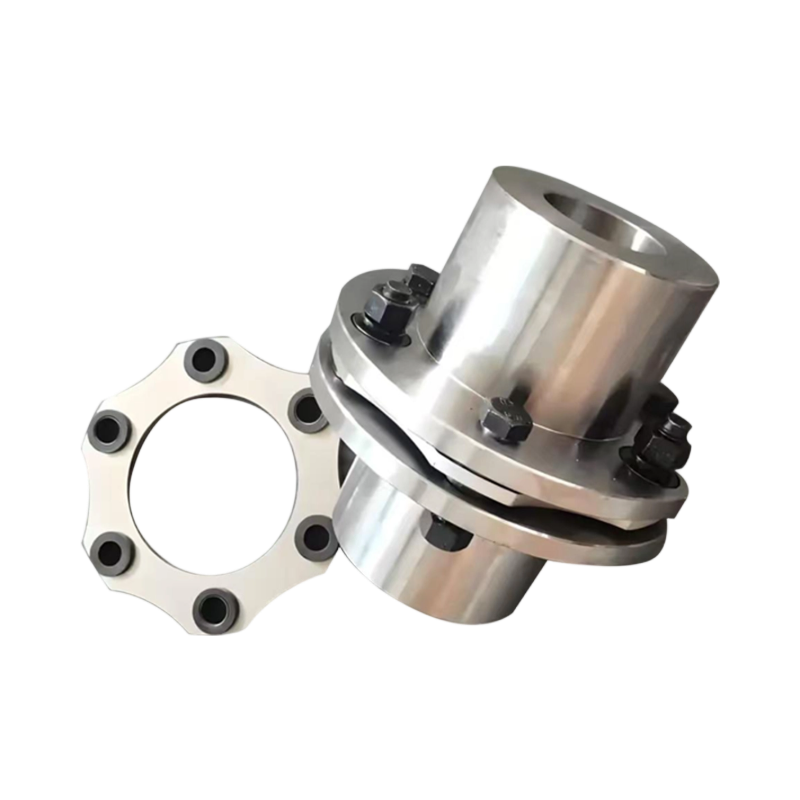
Coupling
This series of couplings serves as an indispensable "protective link" in fluid drive trains. It smoothly transmits motor power to the pump, significantly cushioning startup shocks and isolating equipment vibration through its superior flexible or rigid transmission structure, making it a critical component for extending the operational lifespan of the entire pump set.
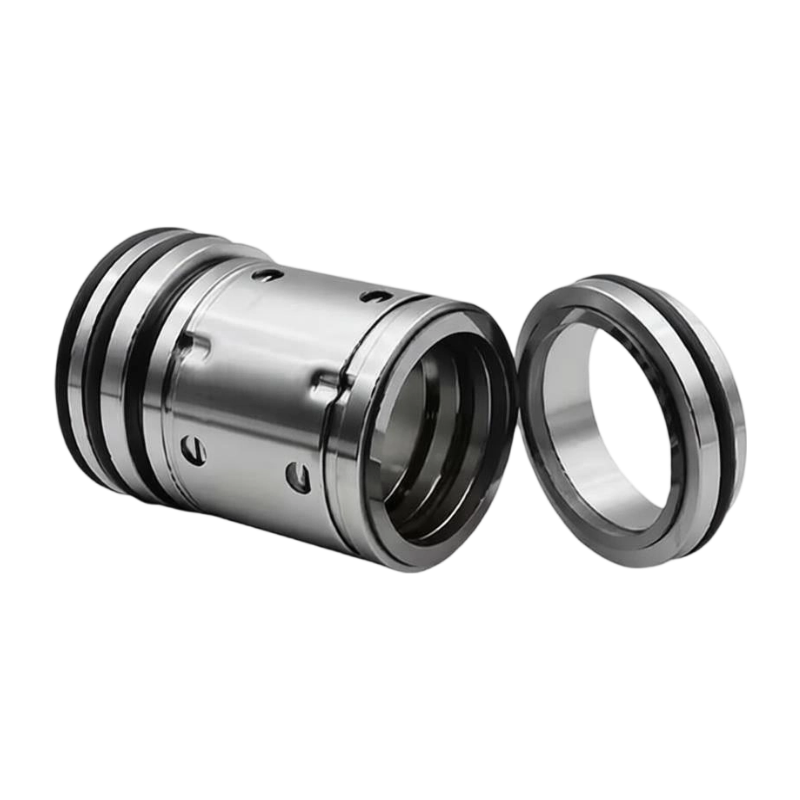
Shaft Sleeve
Slurry pump shaft sleeves are primarily used to protect the pump shaft and reduce shaft wear, serving as essential components to ensure stable equipment operation. Machined from wear-resistant alloys or customized materials, these products feature high wear resistance, corrosion resistance, high concentricity, and stable operation, effectively extending the service life of the pump shaft.

Bearing
The bearing assembly is a crucial component ensuring the stable operation of slurry pumps. The sealing system effectively reduces medium leakage and enhances equipment operational safety; the bearing assembly features high load-bearing capacity, smooth operation, high load resistance, and a long service life, making it suitable for continuous heavy-duty operating environments.
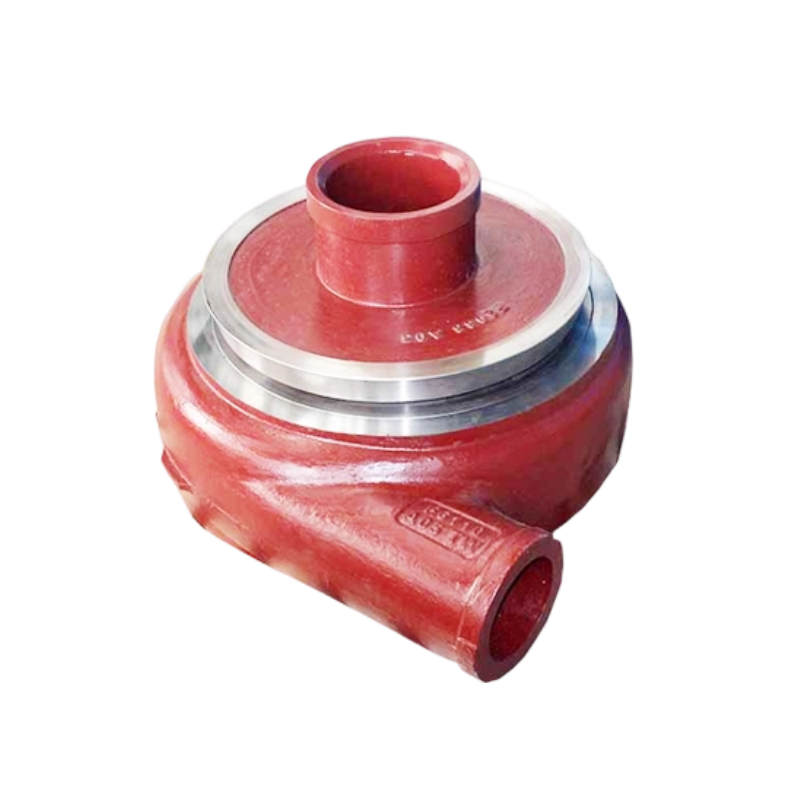
Volute Liner (Pump Casing)
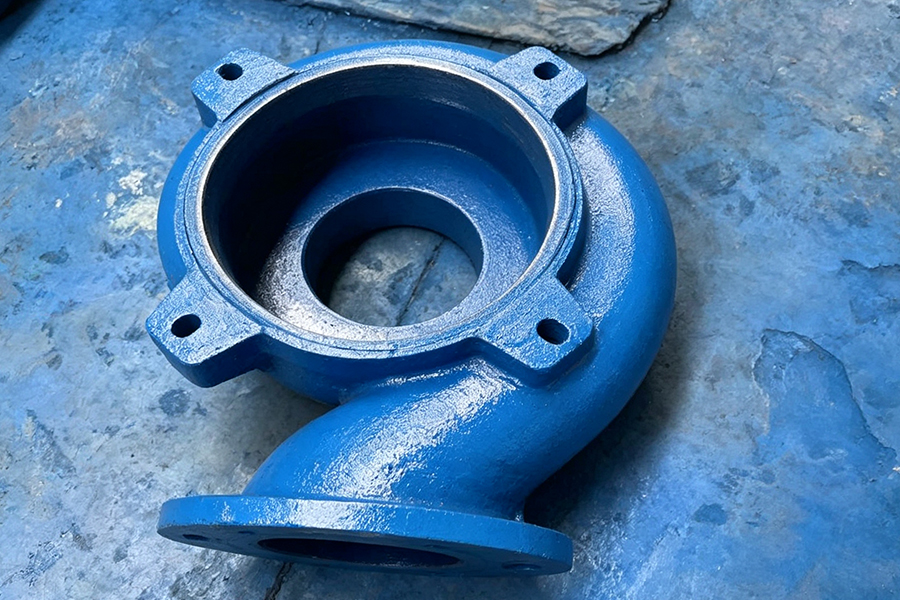
The volute liner and pump casing are critical structural and wear-resistant components of slurry pumps, primarily designed to withstand slurry impact and protect the internal wet-end system. Manufactured from high-strength, wear-resistant materials, this product features high structural stability, superior wear and corrosion resistance, and strong pressure-bearing capability, satisfying the demands of challenging applications such as mining, coal washing, and tailings transportation.
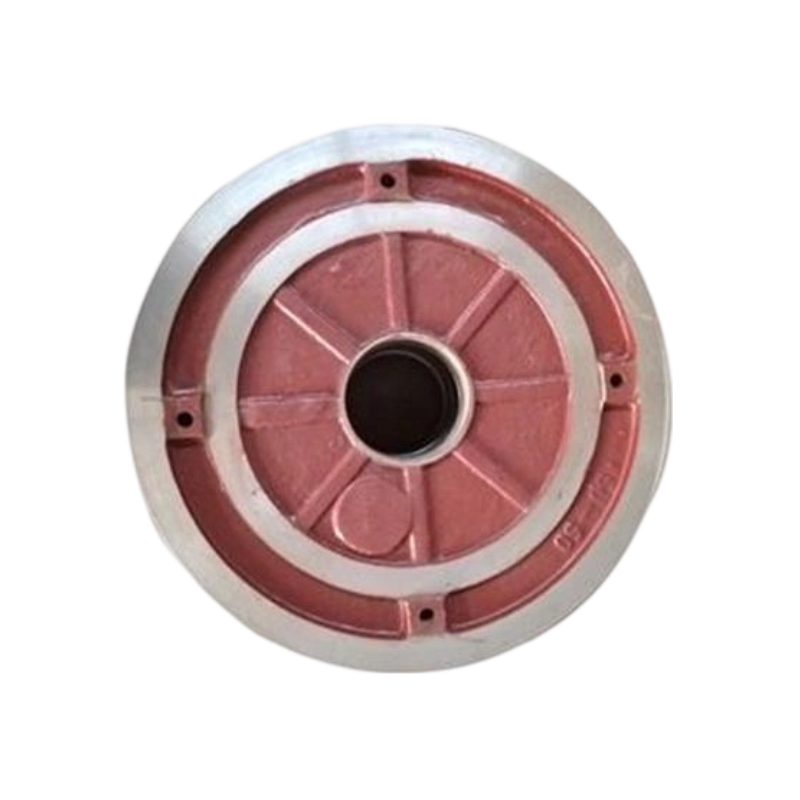
Front and Rear Liners
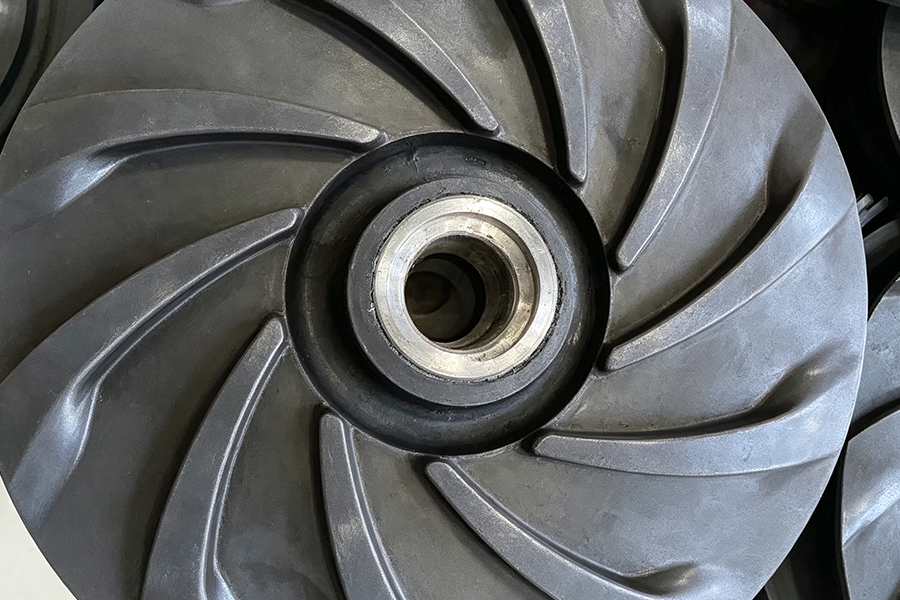
Front and rear slurry pump liners are critical wear-resistant wet-end parts, primarily used to reduce direct slurry wear on the pump casing and extend the overall equipment service life. Made of high-wear-resistant alloy materials, the products offer advantages such as impact resistance, stable sealing performance, easy replacement, and a long wear life.
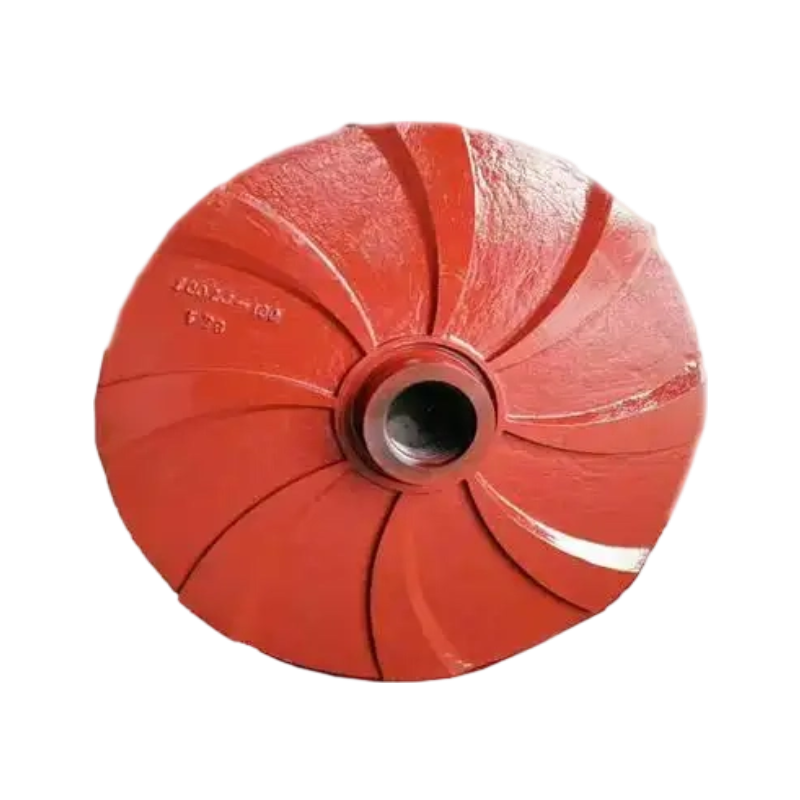
Impeller
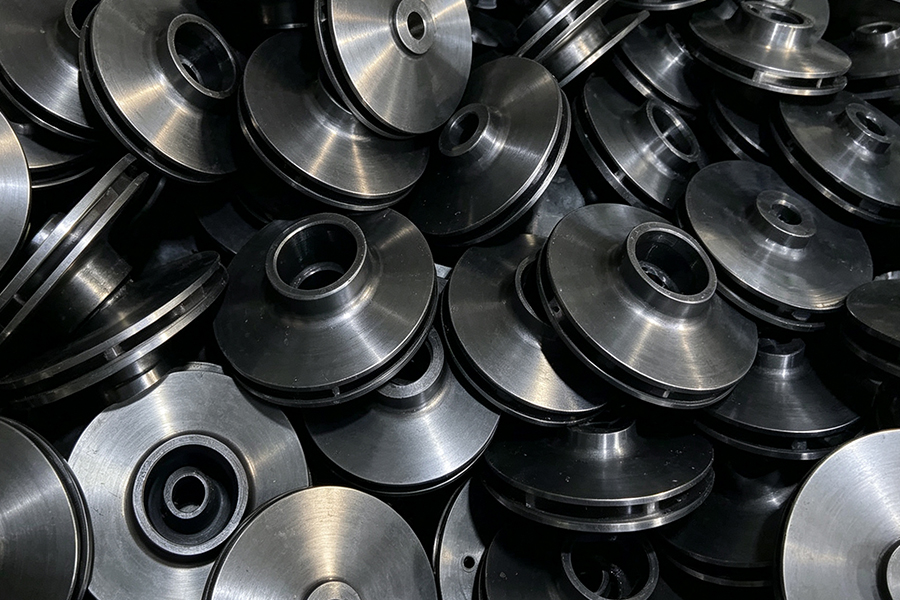
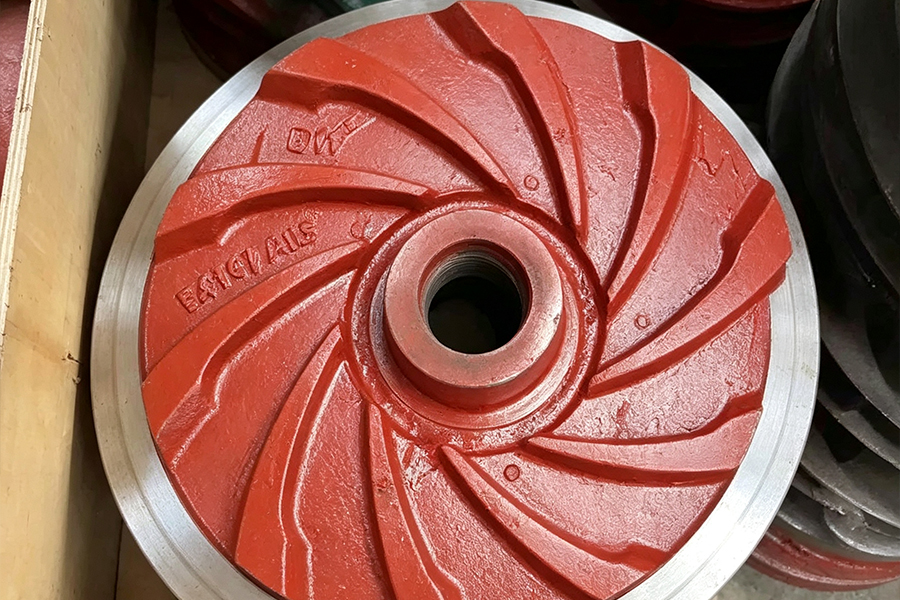
The slurry pump impeller is the core wet-end component of a slurry pump, primarily used for slurry transportation and pressure conversion. The product is precision-cast from high-chromium wear-resistant alloy, cemented carbide, and other materials. It features wear resistance, impact resistance, high operating efficiency, and a long service life, making it suitable for high-concentration and severe-wear operating conditions.
.png)
Pump Casing
The pump casing is a vital pressure-bearing structural component of gravel pumps, mainly used to withstand the impact of highly abrasive media and protect the internal flow passage system. It features high structural strength, wear and corrosion resistance, and stable operation, supporting OEM customization and production services in various specifications.
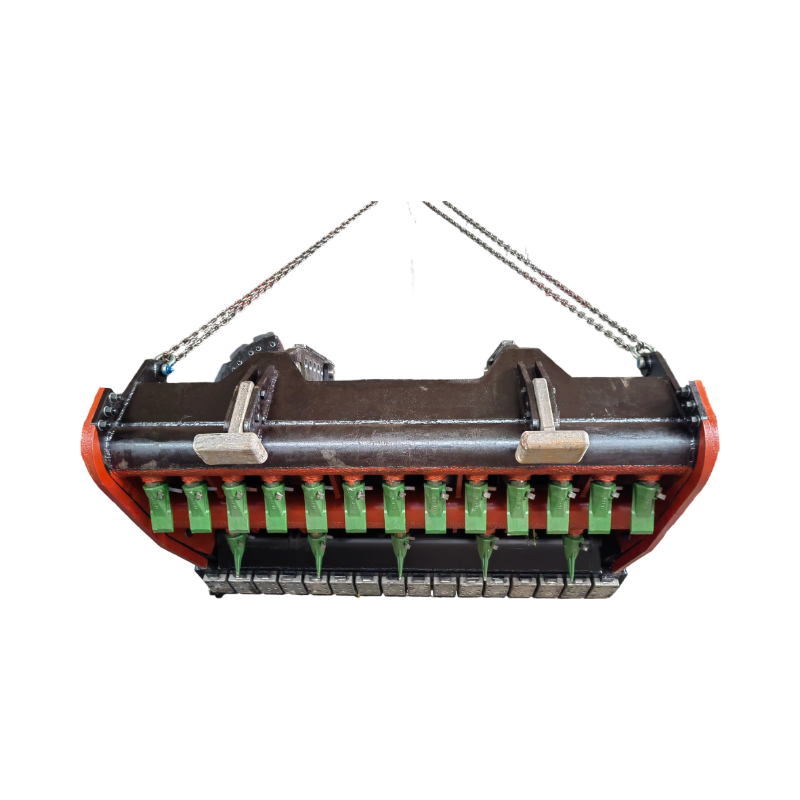
Draghead
A draghead is a critical component of a dredger operating system, installed at the front end of the suction pipe. It is primarily used to loosen, cut, and collect sediments such as sand, mud, and silt from the beds of rivers, ports, and marine areas. Manufactured from high-strength, wear-resistant steel, the product features high wear resistance, impact resistance, and a robust structure, effectively enhancing dredging efficiency and suction performance. It is widely used in river dredging, port desilting, waterway maintenance, and land reclamation projects.
.png)
Bucket (Cutter) Wheel
The bucket (cutter) wheel is a crucial cutting device for cutter suction dredgers. Installed at the front of the cutter head, it cuts through riverbeds, seabeds, and hard sediment layers through rotation, crushing materials such as sand, silt, and clay, and delivering them to the suction system. Manufactured from high-strength wear-resistant materials, this product features powerful cutting capacity, exceptional wear resistance, stable operation, and a long service life, effectively enhancing excavation efficiency and operational performance under complex working conditions.
.png)
Cutterhead
The cutterhead is the core cutting component of a cutter suction dredger, primarily used to cut and loosen sand, clay, and hard deposits in riverbeds and seabeds, ensuring a continuous and stable material feed for the suction system. Manufactured from high-strength, wear-resistant materials, it features high cutting efficiency, excellent wear resistance, impact resistance, and stable operation. It is widely used in channel dredging, port desiltation, and land reclamation projects.
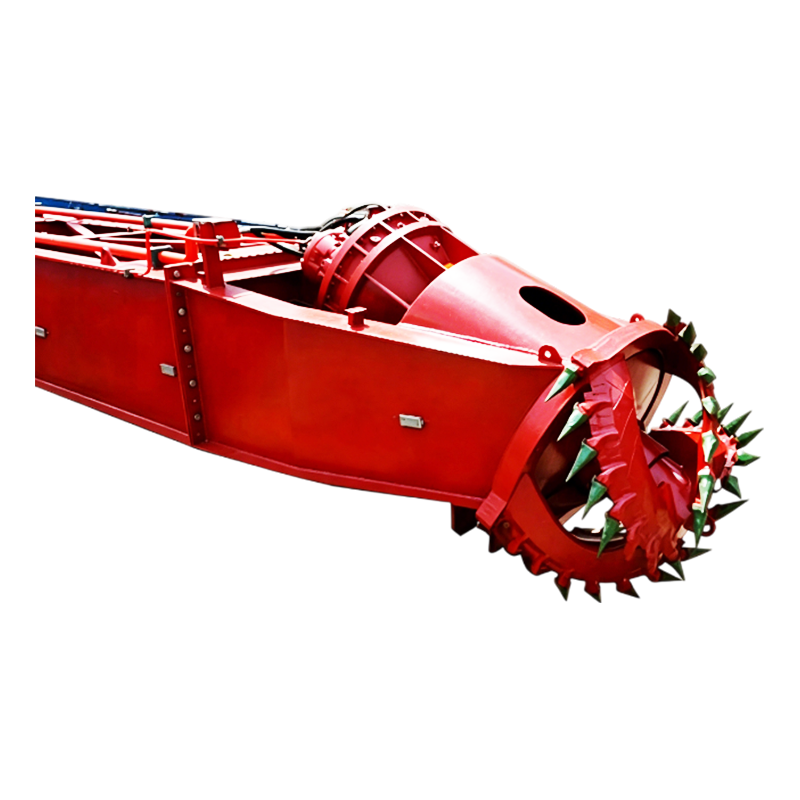
Cutterhead Assembly
The cutterhead assembly is an essential front-end working device of a cutter suction dredger, consisting of the cutterhead, cutter arms, connecting structures, and other components. It is responsible for cutting and loosening underwater silt, clay, and hard sediments. Featuring a robust structure and stable operation, it is manufactured from high-strength wear-resistant materials and offers high cutting efficiency, superior wear resistance, easy maintenance, and a long service life, effectively improving dredging efficiency and project construction quality.
How to Choose the Aperture Size, Material, and Structure for Vibrating Screen Mesh?
Learn how to choose the right aperture, material, and structure for vibrating screen mesh based on your specific needs and material characteristics.
How to Extend the Service Life of Industrial Wear-Resistant Rubber Products?
Explore professional maintenance and usage practices to extend the service life of industrial wear-resistant rubber products and optimize operational efficiency.
What Are Industrial Wear-Resistant Rubber Products? How to Choose Among Five Product Categories?
Discover what industrial wear-resistant rubber products are and learn how to choose among five major product categories to suit your operational needs.
What Are the Differences Between SAG Mill Liners and Ball Mill Liners?
Explore the differences between SAG mill liners and ball mill liners to understand their distinct functions, designs, and applications in grinding processes.
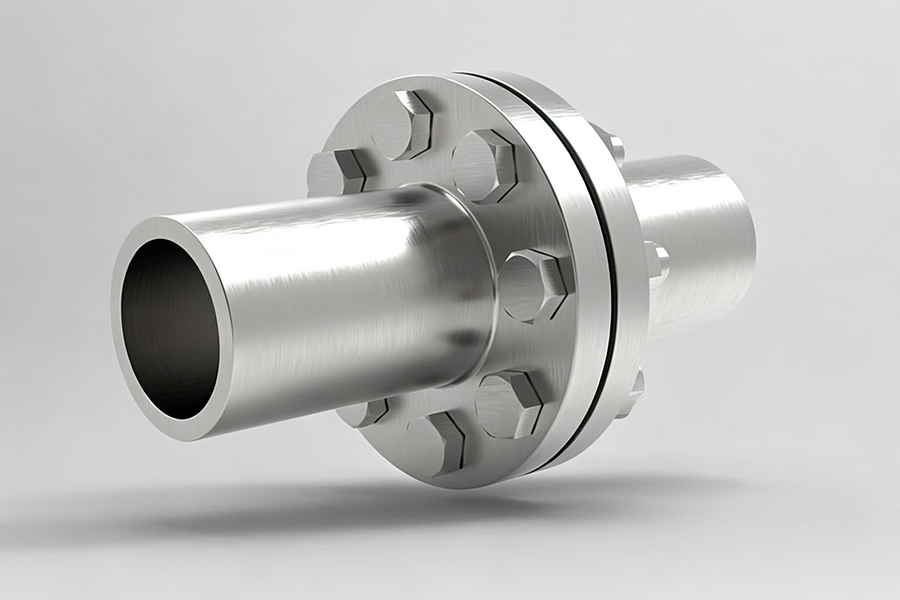
Why Do Industrial Pumps Need Properly Matched Gearboxes, Motors, and Couplings?
Discover why industrial pumps require properly matched gearboxes, motors, and couplings to ensure optimal performance, efficiency, and system reliability.
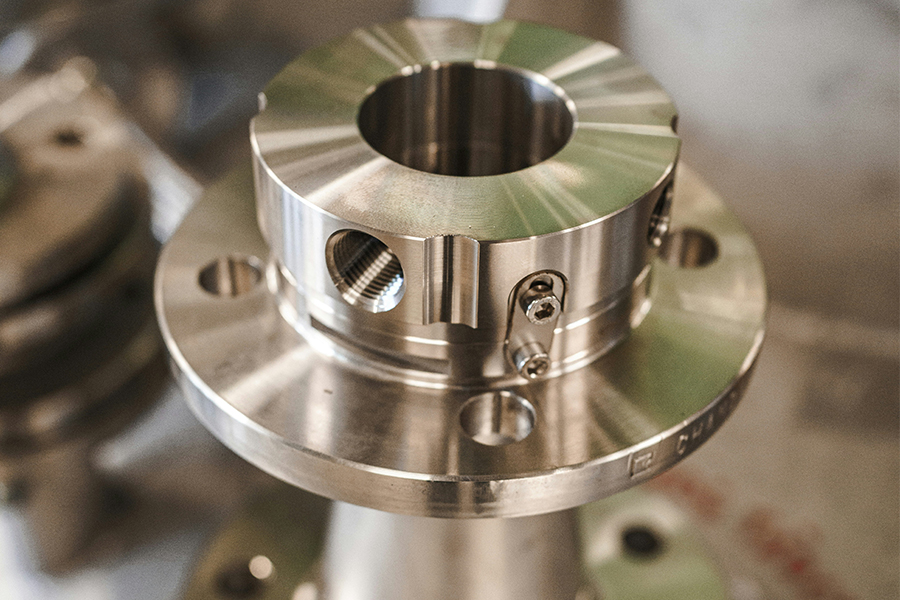
How Should an Industrial Pump Gearbox Be Selected?
Explore key considerations and criteria for selecting the right industrial pump gearbox to ensure optimal performance and reliability.
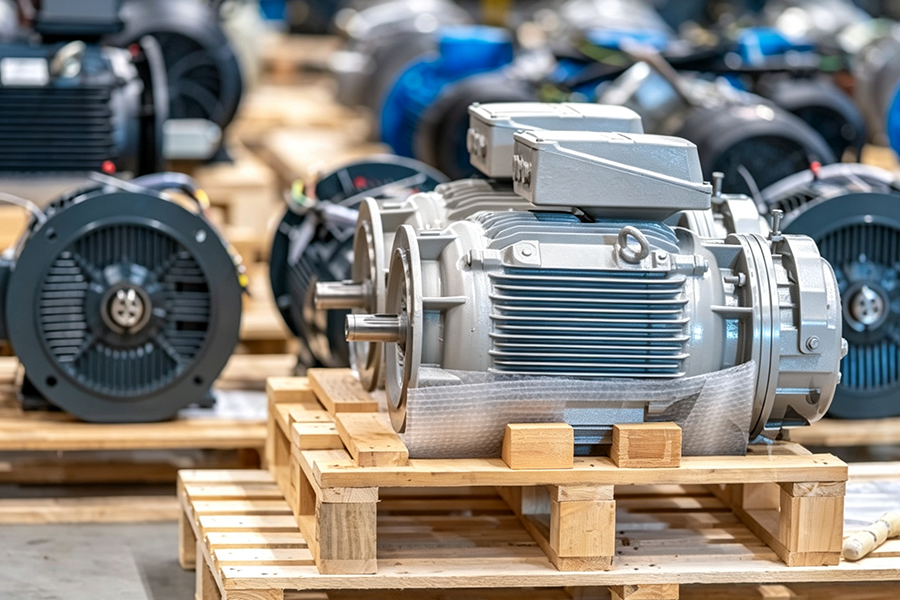
How to Select the Right Motor for Industrial Pumps?
Learn how to select the right motor for industrial pumps with this comprehensive guide covering essential criteria and application considerations.
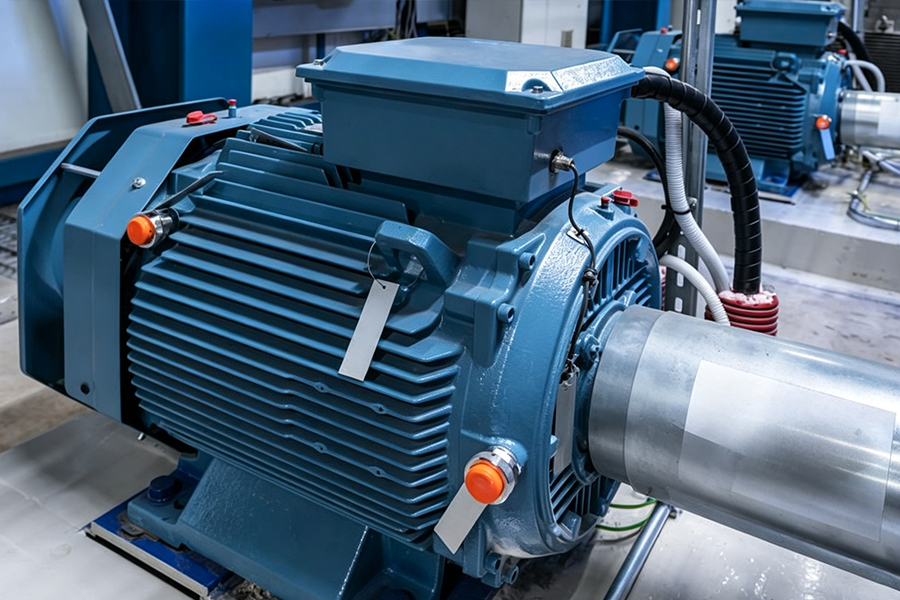
How to Select Industrial Pump Couplings? Why is Alignment Critical?
Learn how to choose industrial pump couplings and why alignment is crucial for pump operation. Get expert selection and installation guides.
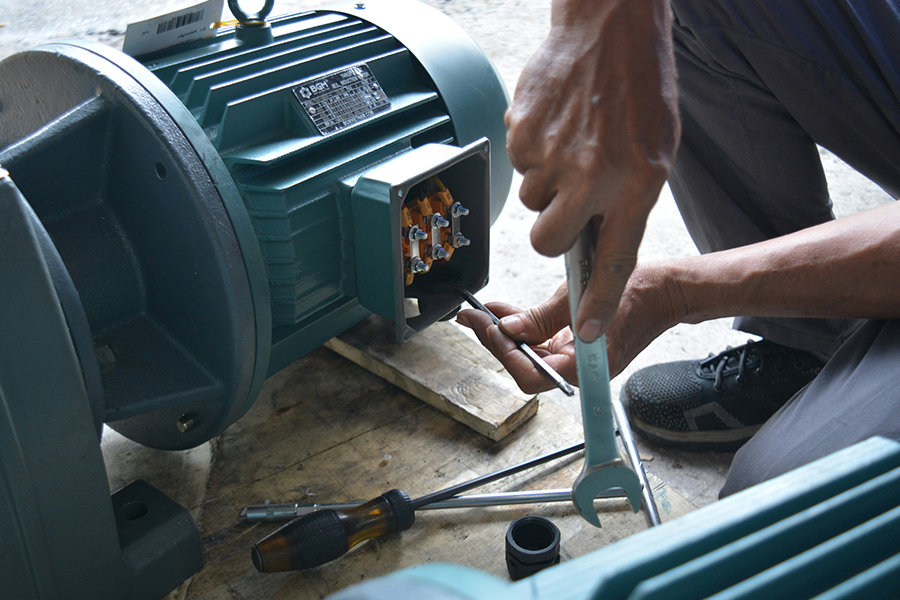
How to Configure a Complete Drive System for Slurry, Gravel, and Dredge Pumps?
Learn how to configure complete drive systems for slurry, gravel, and dredge pumps, and master key points and methods.
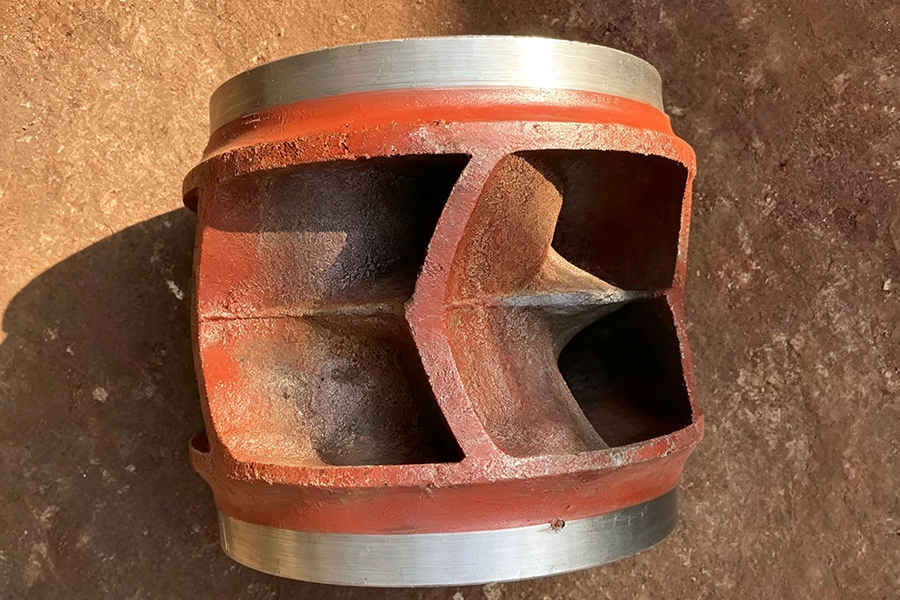
What Are Common Wear Parts of Industrial Pumps and How Should You Choose Them?
Learn about the common wear parts of industrial pumps and discover key considerations for choosing the right replacement components to ensure operational efficiency.
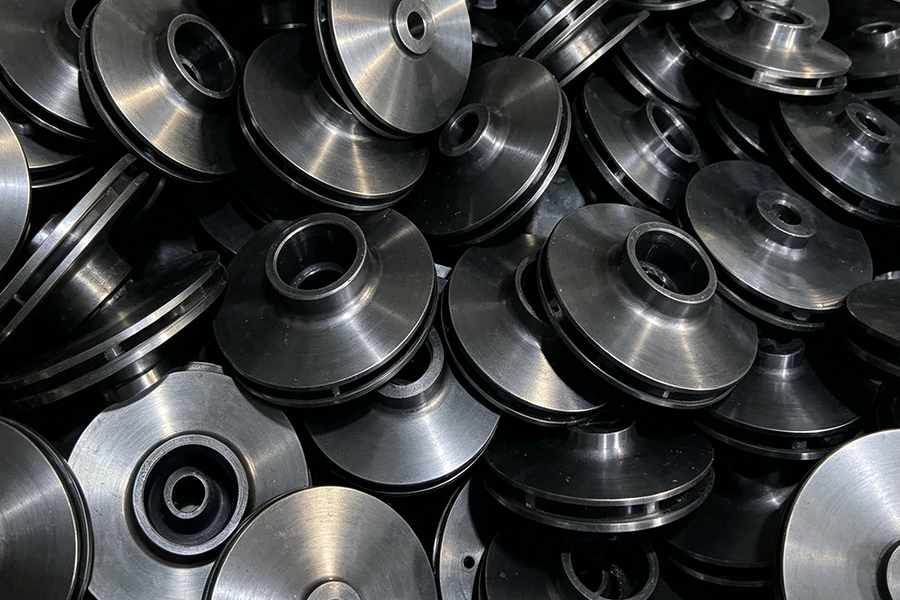
What Is the Function of an Industrial Pump Shaft Sleeve? When Does It Need Replacement?
Learn the function of industrial pump shaft sleeves and how to determine when to replace them for better pump maintenance.
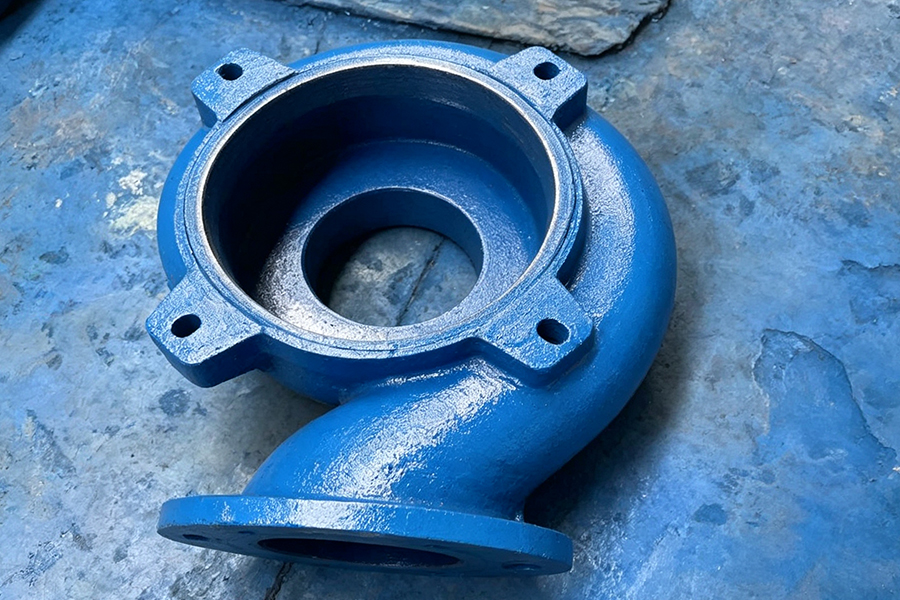
How Do the Stuffing Box and Packing Work Together? Is Tighter Packing Always Better?
Explore how the stuffing box and packing work together in mechanical systems, and learn whether tighter packing always delivers better performance.
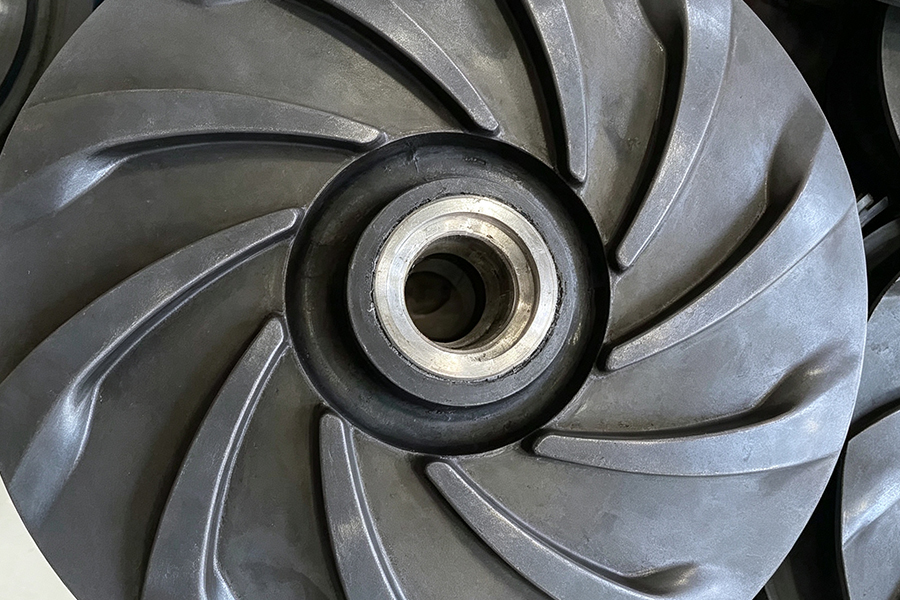
Common Causes of Overheating, Vibration, and Noise in Industrial Pump Bearings
Explore the common causes of overheating, vibration, and noise in industrial pump bearings to help maintain equipment reliability and performance.
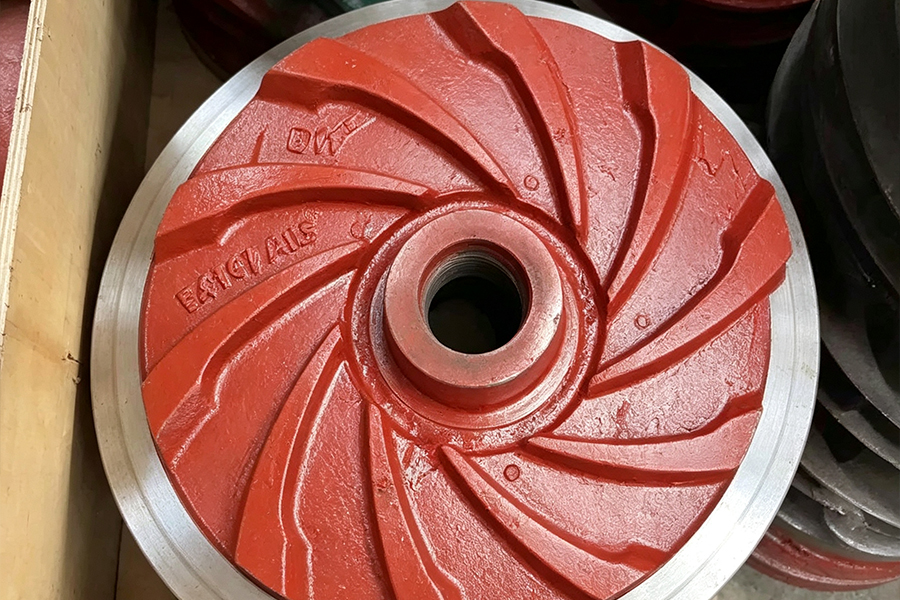
What Are the Differences Between Packing, Mechanical Seals, and Oil Seals?
Explore the differences between packing, mechanical seals, and oil seals. Learn about their applications, designs, and how to choose the right sealing solution for your equipment.
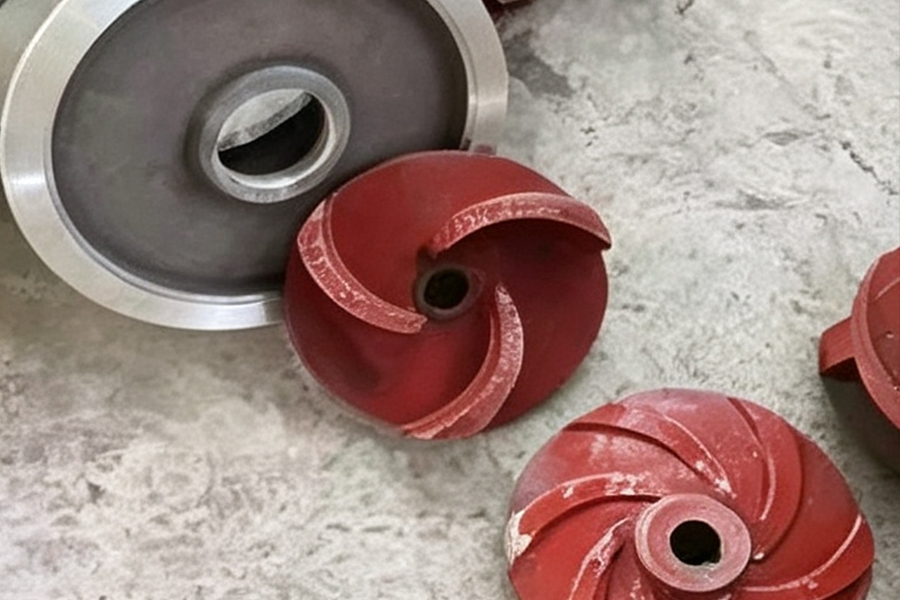
What Information Is Required to Replace Industrial Pump Sealing and Drive Accessories?
Learn what core data and technical parameters to prepare when replacing industrial pump seals and drive parts for accurate and efficient selection.
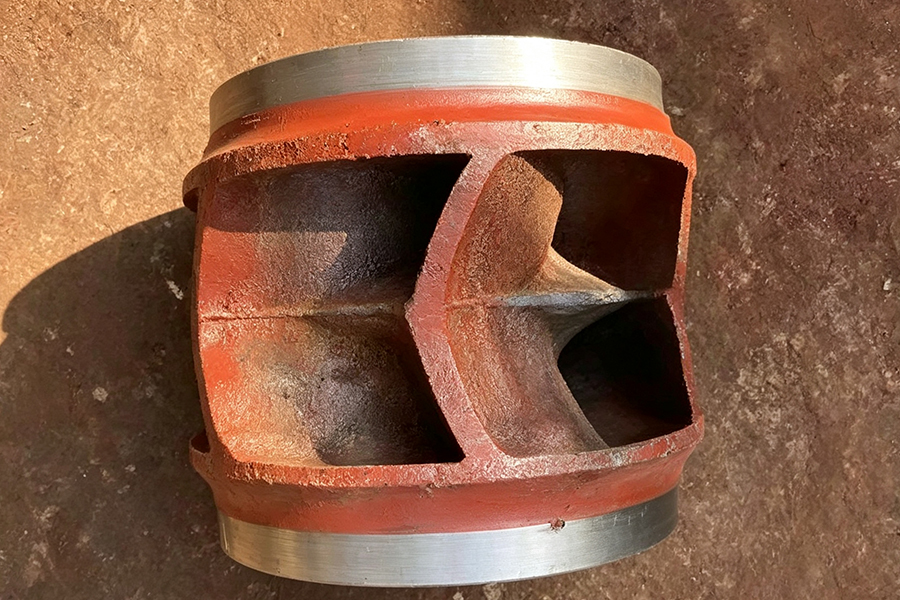
What Are the Respective Functions of the Impeller, Volute Liner, Throatbush, and Frame Plate Liner Insert?
Detailed guide on the roles and functions of impellers, volute casings, front guards, and rear guards in pumps to understand their working principles.
How Should a Slurry Pump Impeller Be Selected?
Learn how to choose a slurry pump impeller to match operating conditions, improve efficiency, and extend service life.
What Is the Difference Between a Slurry Pump Liner and a Slurry Pump Casing?
Explore the differences between slurry pump liners and casings to better understand the core structural components of slurry pumps.
How to Reduce Wear on Impellers, Volute Liners, and Front/Rear Liners?
Learn how to effectively reduce wear on impellers, liners, and front/rear plates to extend equipment lifespan, improve operating efficiency, and enhance maintenance benefits.
What is the difference between the front liner and the back liner? Are they interchangeable?
Compare slurry pump front and rear liners and learn what to verify before replacement or interchange, including pump model, dimensions, fit and material.
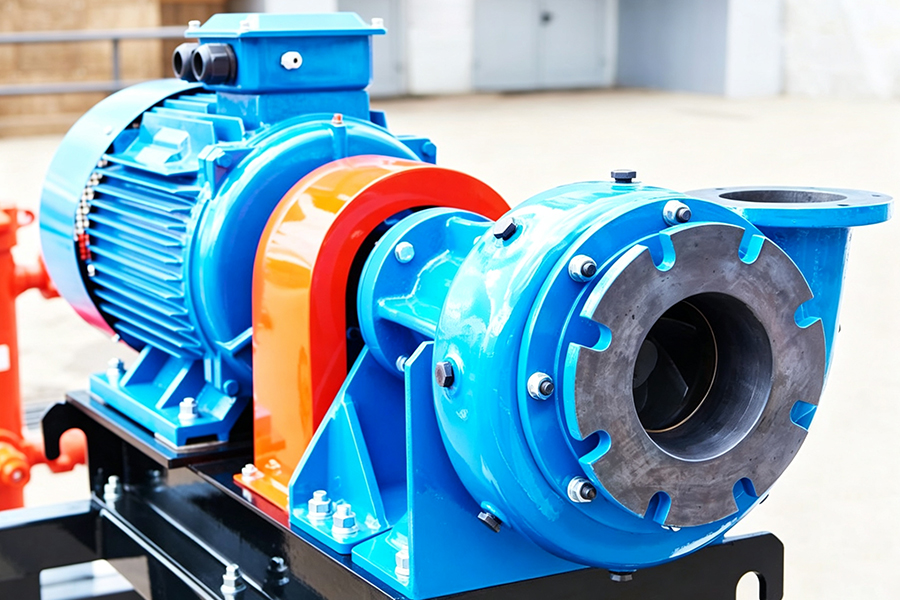
What Operating Conditions Are Ceramic Slurry Pumps Suitable For? How to Select?
Discover the ideal working conditions and selection methods for ceramic slurry pumps. This guide helps you understand and apply this equipment effectively.
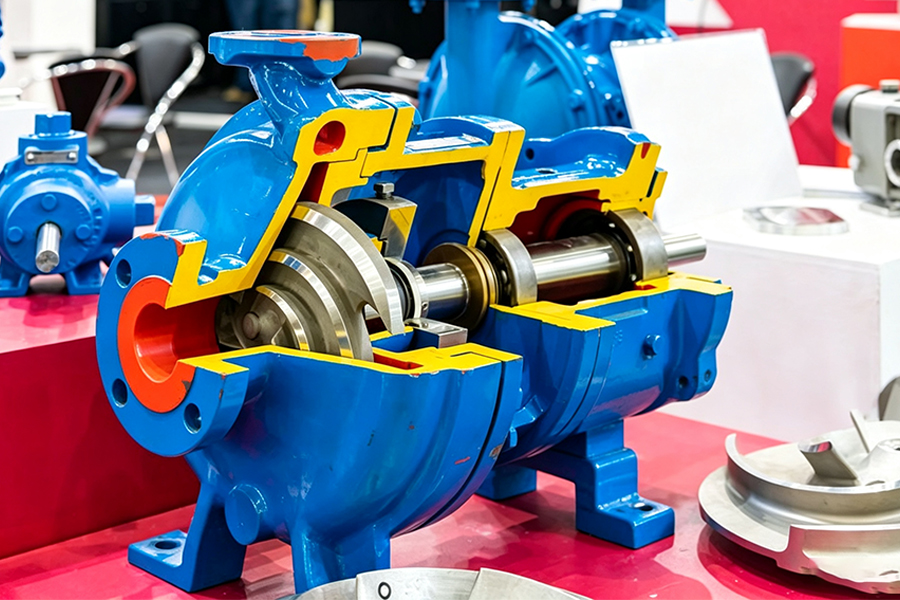
What Are the Differences Between Ceramic, Metal, and Rubber Slurry Pumps?
Compare ceramic, metal, and rubber slurry pumps to choose the best material for your working conditions and improve wear and corrosion resistance.
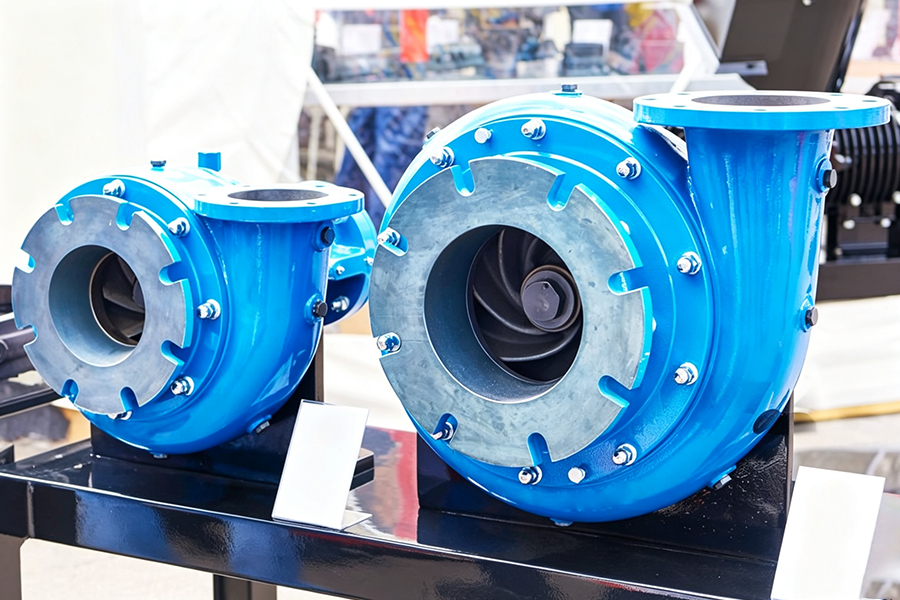
What Parameters Need to Be Confirmed When Selecting a Ceramic Slurry Pump for Highly Abrasive Slurries?
Learn the essential parameters that need to be confirmed when selecting a ceramic slurry pump for handling highly abrasive slurries effectively.
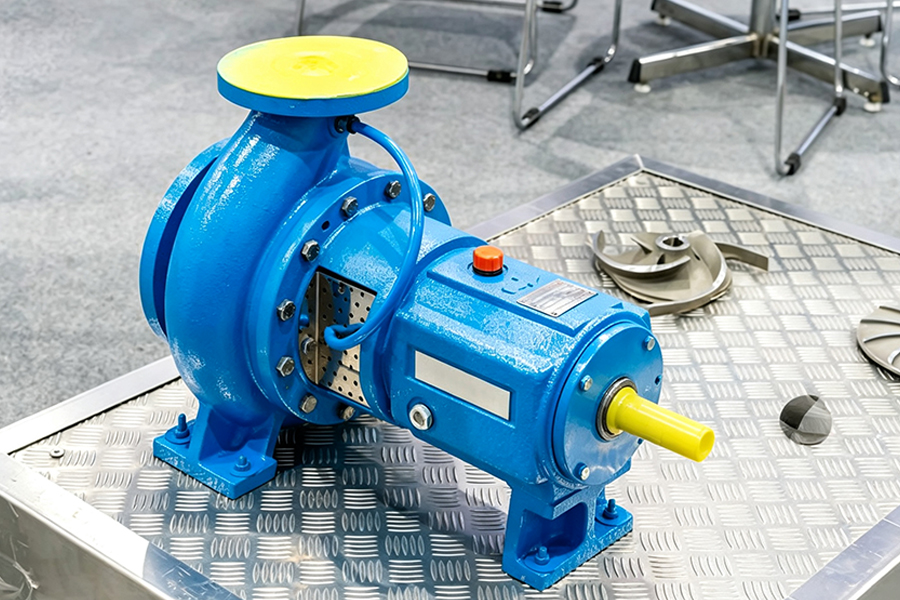
Which industries and processes can ceramic slurry pumps be applied to?
Discover the industrial sectors and specific processes where ceramic slurry pumps are applied. Read our detailed analysis of their operational scenarios.
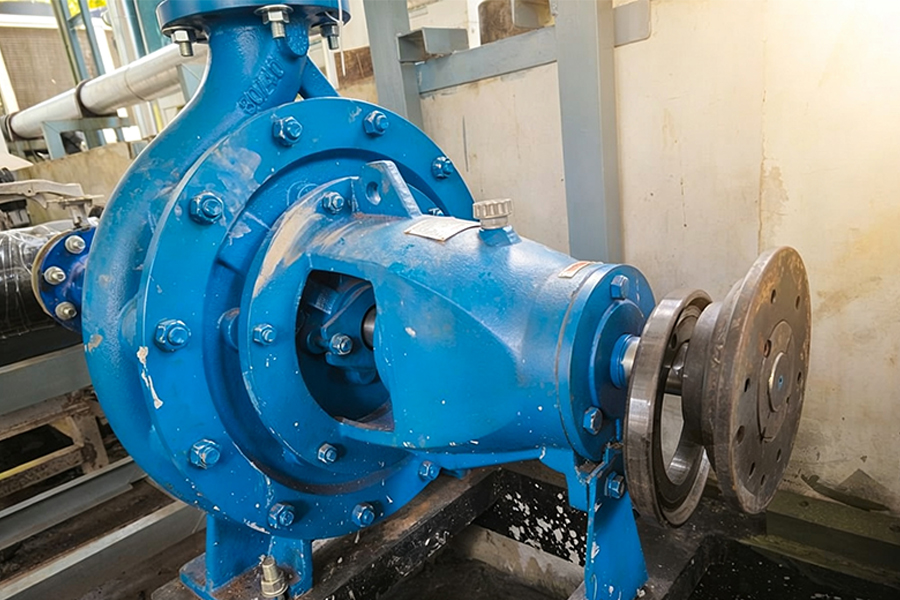
How to Match the Flow Rate, Head, and Piping of a Ceramic Slurry Pump?
Learn how to match flow rate, head, and piping for ceramic slurry pumps. This guide covers key points in pump selection and piping systems for efficient and stable operation.
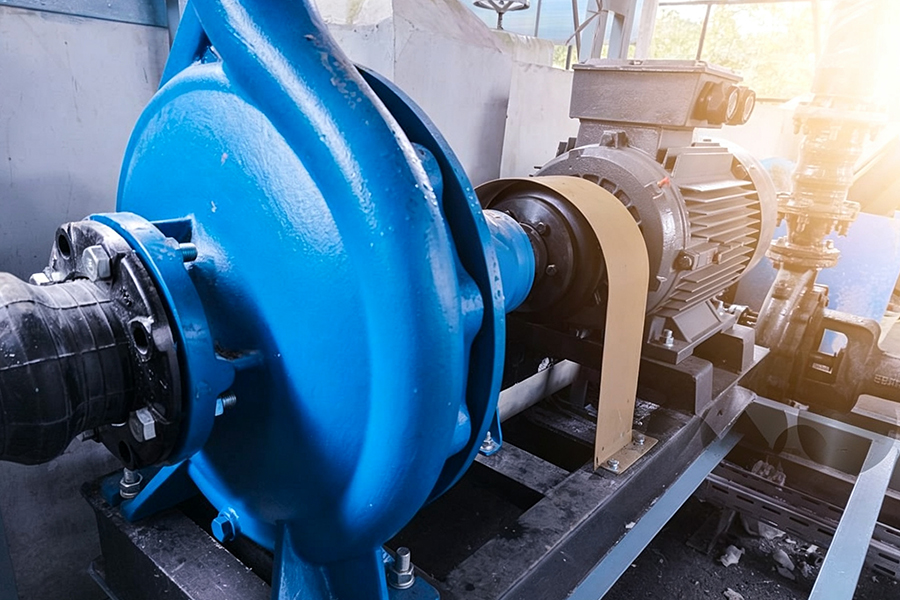
How to Maintain a Ceramic Slurry Pump? What Should Be Noted When Replacing Wear Parts?
Learn how to maintain a ceramic slurry pump and discover important notes and precautions when replacing wear parts to ensure efficient operation.
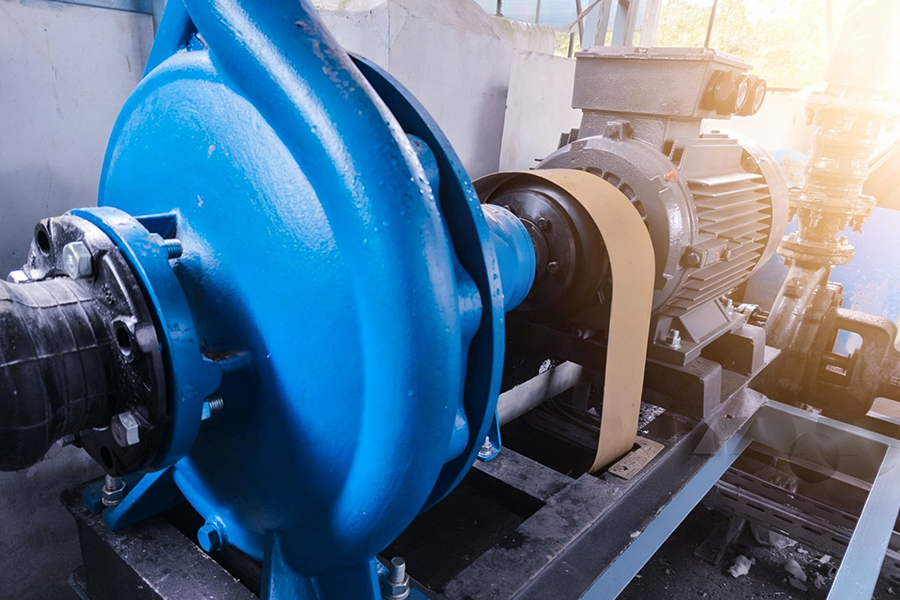
Types of Metal Slurry Pumps & How to Choose Among 4 Products
Learn about the main types of metal slurry pumps and selection methods. We analyze the features and application scenarios of four models to help you make the right purchase.
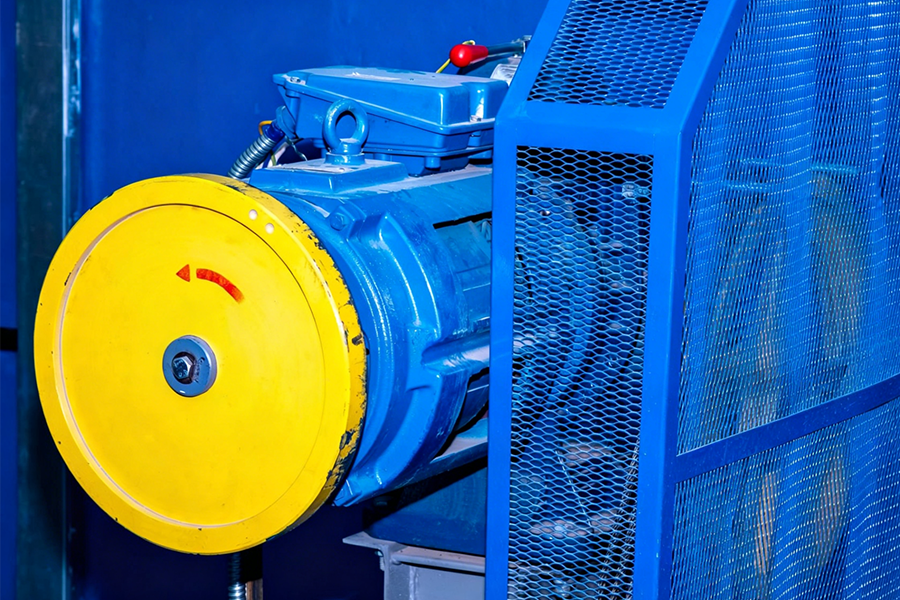
What Pool and Sump Working Conditions Are CSP Series Submerged Slurry Pumps Suitable For?
Explore the tank conditions suitable for CSP series sump pumps and learn about their application scenarios and adaptability in various industrial environments.
What Operating Conditions Are CAH/CHH Heavy-Duty Slurry Pumps Suitable for? How to Select the Right Model?
Discover the complex working conditions suited for CAH/CHH heavy-duty slurry pumps, learn scientific selection methods, and master key application scenarios and parameter matching.
What is the difference between CAF series froth pumps and ordinary slurry pumps?
Discover the core differences between CAF series froth pumps and standard slurry pumps, including structural design, working principles, and performance when handling aerated froth.
What Underwater Slurry Discharge Applications Are CZQ Submersible Slurry Pumps Suitable For?
Discover the ideal underwater slurry discharge conditions for CZQ submersible slurry pumps and explore their application scenarios.
How to Match Flow Rate, Head, and Discharge Pipeline for CG/CGH Gravel Pumps?
Learn how to scientifically match flow, head, and pipelines for CG/CGH gravel pumps to ensure efficient, stable operation and extend service life.
What Working Conditions Are CG/CGH Heavy-Duty Gravel Pumps Suitable For?
Explore the specific working conditions and industrial applications suitable for CG and CGH heavy-duty gravel pumps based on the latest industry insights.
How to Choose Between CG and CGH Heavy-Duty Gravel Pumps?
Learn how to choose between CG and CGH heavy-duty gravel pumps. Understand their features and applications to make accurate selection decisions.
What Size of Particles Can Heavy-Duty Gravel Pumps Handle?
Learn about the particle handling size of heavy-duty gravel pumps and explore their solid-handling capacity and technical features.
What Are the Differences Between Gravel Pumps, Dredge Pumps, and Standard Slurry Pumps?
Explore the structural, operational, and application differences between gravel pumps, dredge pumps, and standard slurry pumps to guide your pump selection.
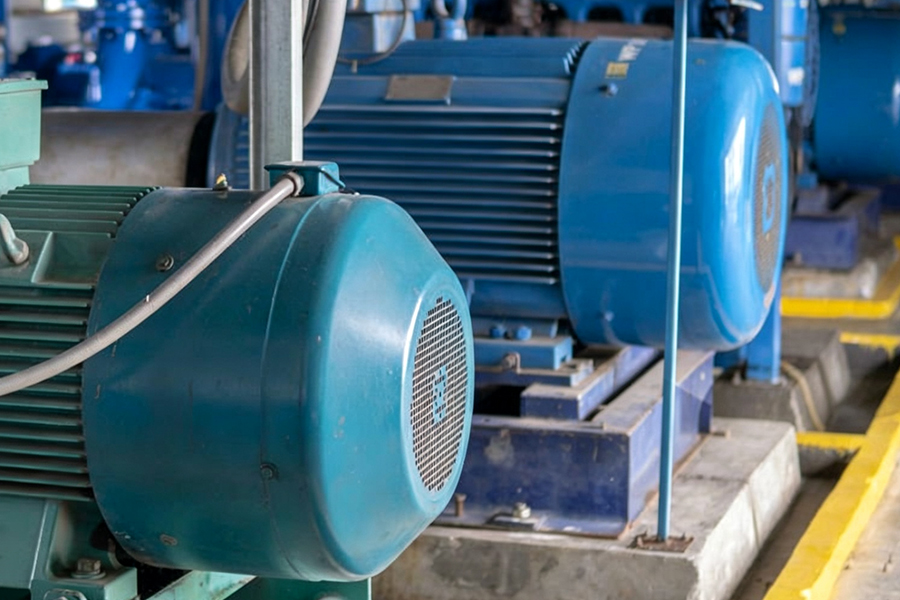
How to Reduce Wear on CG/CGH Heavy-Duty Gravel Pumps?
Learn how to effectively reduce wear in CG and CGH heavy-duty gravel pumps to extend service life and improve operational efficiency.
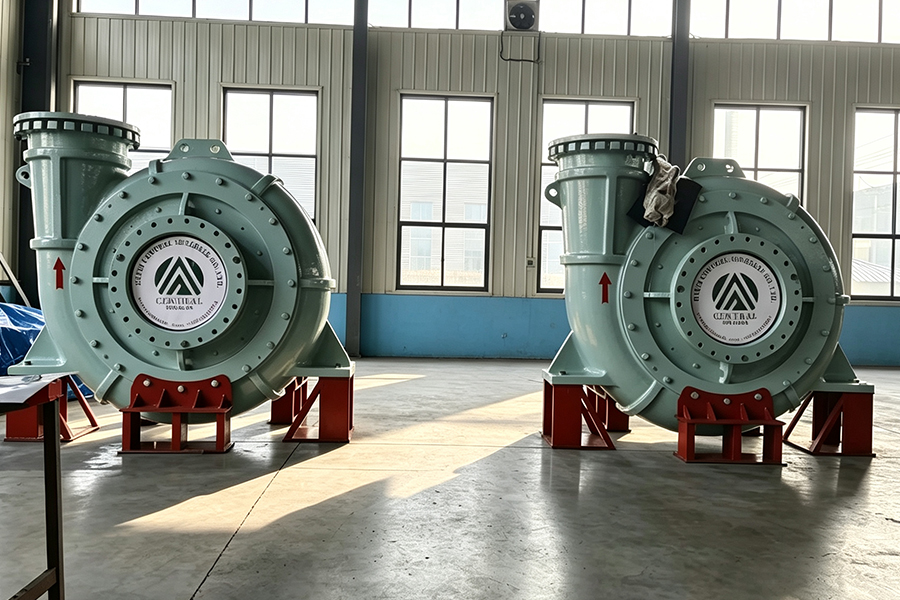
What Dredging and Slurry Discharge Conditions Are CWN Dredge Pumps Suitable For?
Discover the dredging and slurry discharge conditions suitable for CWN dredge pumps to ensure efficient operation and optimal performance in various industrial applications.
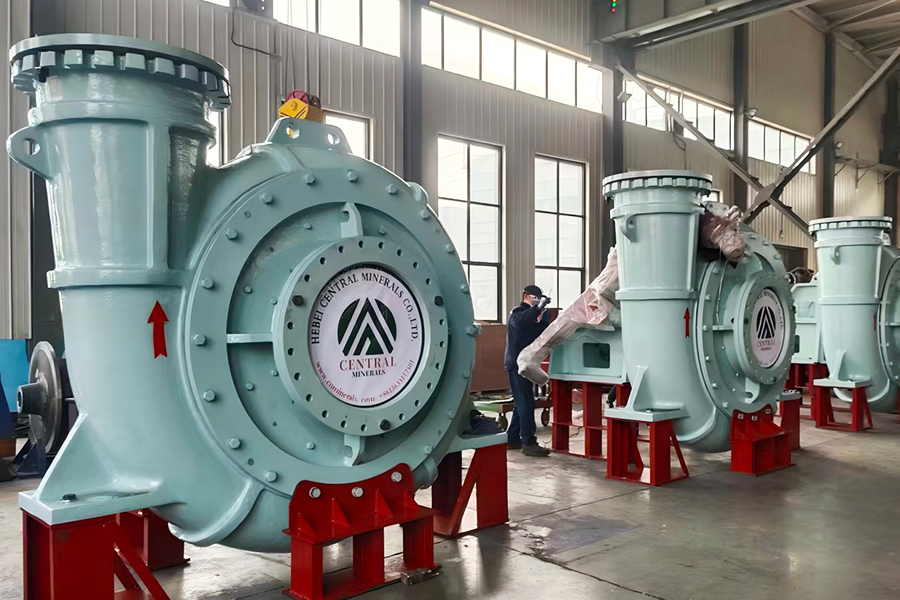
How to Select Flow Rate, Head, and Pipeline Diameter for CWN Dredge Pumps?
Learn how to correctly select flow rate, head, and pipeline diameter for CWN dredge pumps to ensure efficient operation and optimal performance.
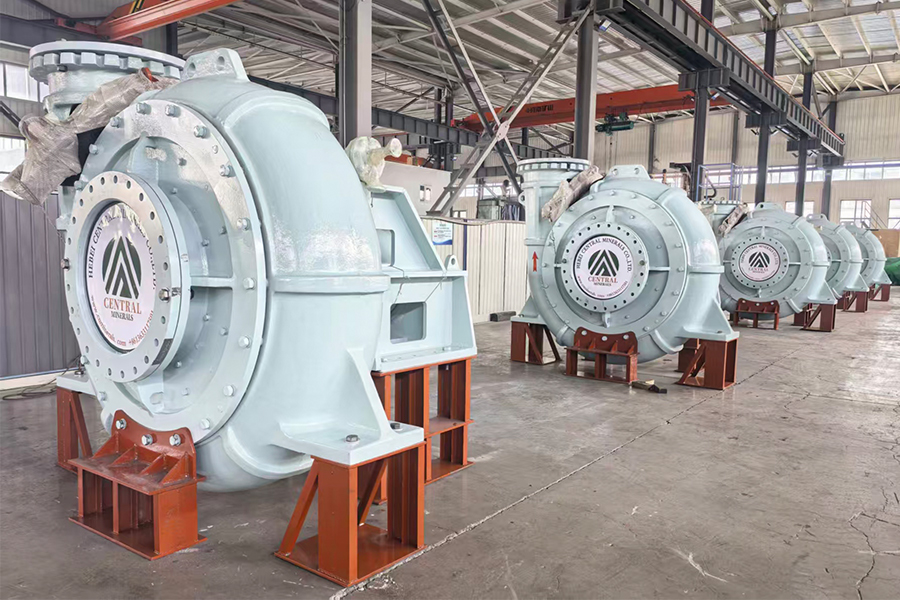
What Is the Difference Between CWN Dredge Pumps and Standard Slurry Pumps?
Explore the core differences between CWN dredge pumps and standard slurry pumps, including structural features, performance variations, and applications for equipment selection.
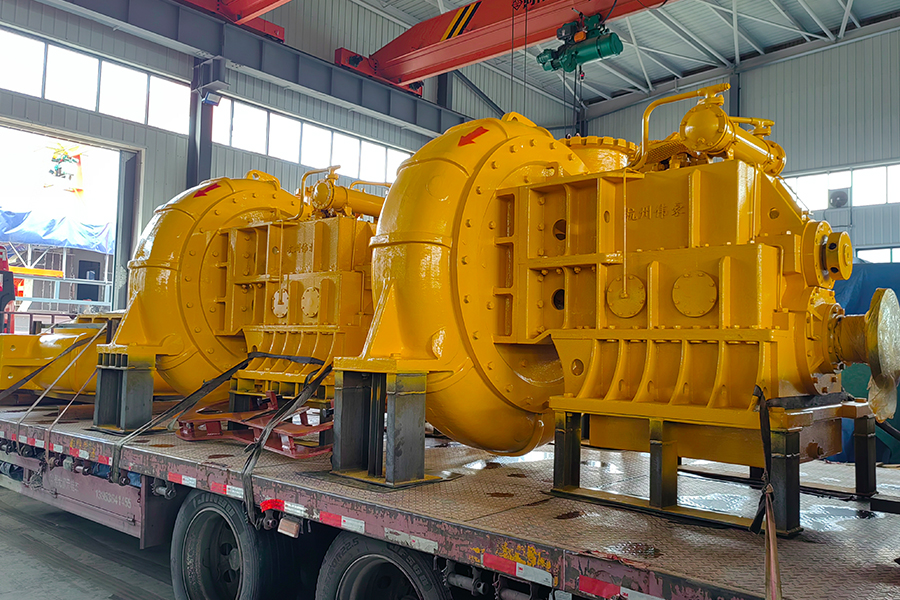
What size particles can the CWN dredge pump transport?
Learn about the particle handling capacity of CWN dredge pumps and get professional answers and product specifications.
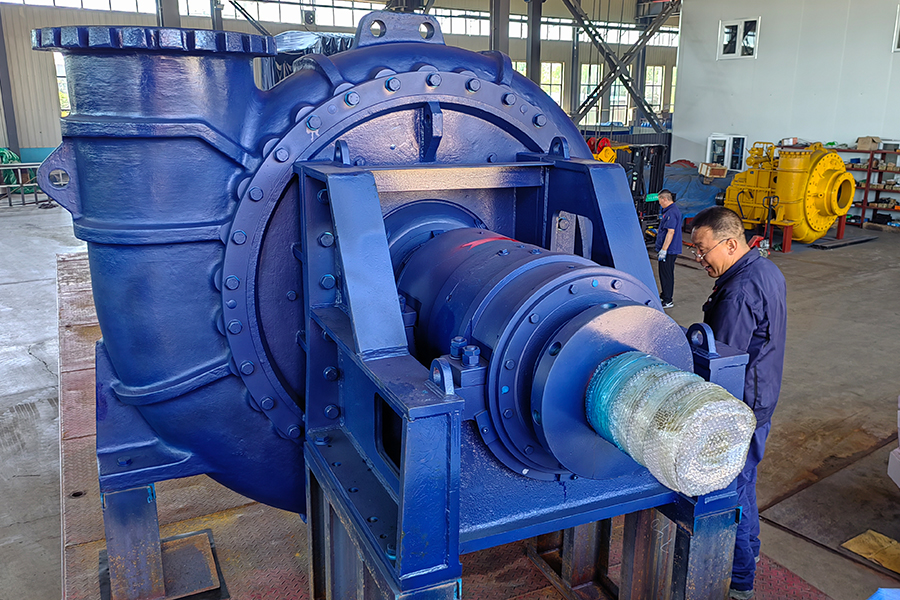
How to Reduce Wear on CWN Dredge Pump Impellers, Casings, and Pipelines?
Learn how to effectively reduce wear on CWN dredge pump impellers, casings, and pipelines to extend equipment lifespan and improve operating efficiency and stability.
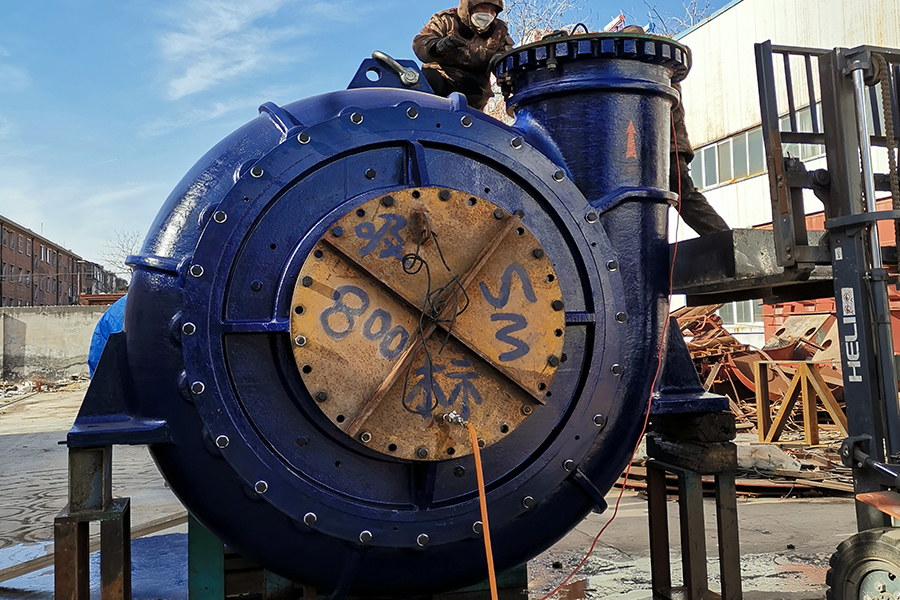
What components should be checked during routine maintenance of CWN dredge pumps?
Learn about key components to inspect during daily maintenance of CWN dredge pumps to ensure stable operation and extend service life.
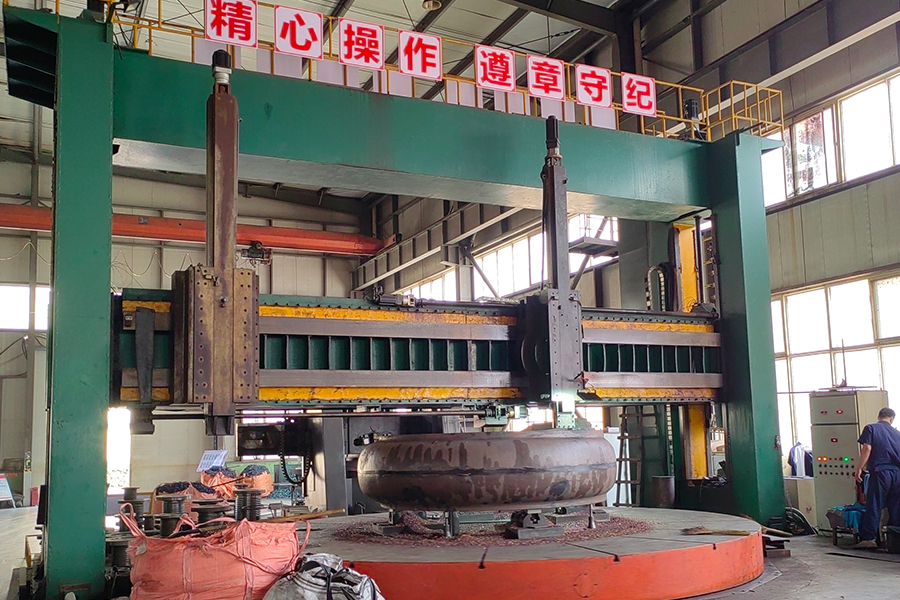
What Kind of Industrial Pump Supplier Is Hebei Central Minerals Co.,Ltd. ?
Discover the background and profile of Hebei Central Minerals Co.,Ltd. as an industrial pump supplier, based on corporate information.
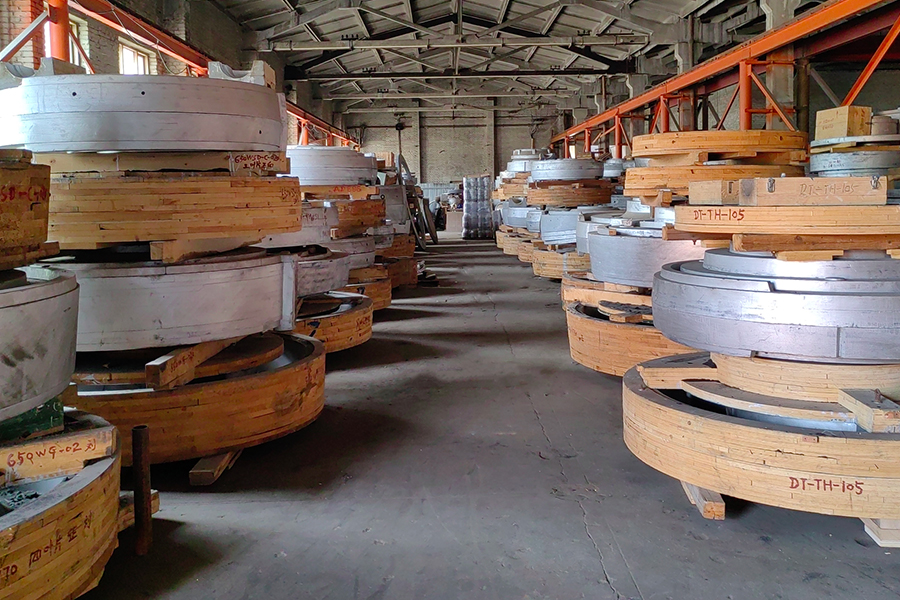
From Complete Equipment to Wear-Resistant Parts, What Products Does Hebei Central Minerals Co.,Ltd.
Explore the range of products offered by Hebei Central Minerals Co., Ltd., spanning from complete industrial equipment to durable wear-resistant parts.
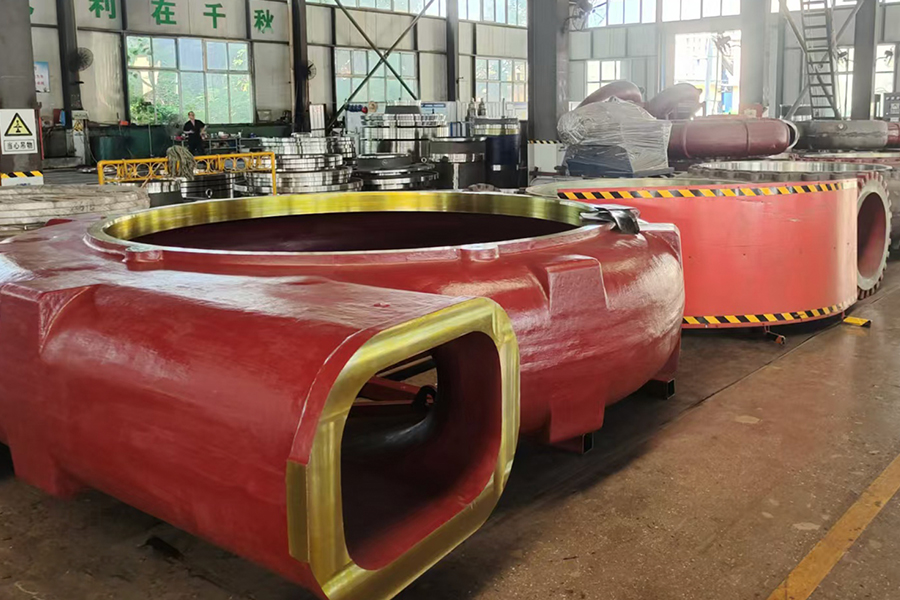
Why Slurry Transport Requires Selection Based on Operating Conditions?
Explore why slurry transport requires selection based on working conditions, analyze specific requirements for equipment and solutions, and help users make scientific and rational choices.
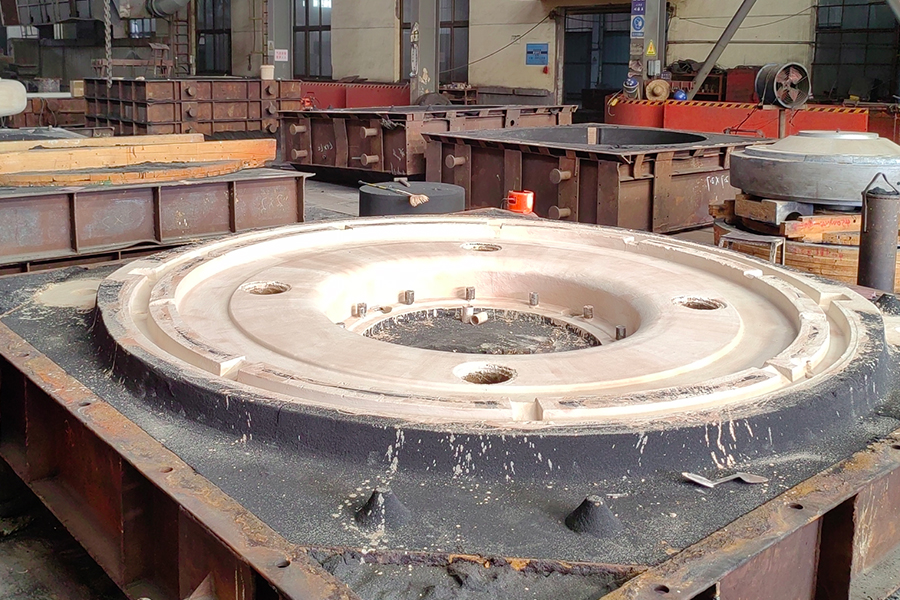
How Do Industrial Pump Projects Usually Collaborate with Hebei Central Minerals Co.,Ltd.
Learn how industrial pump projects typically collaborate with Hebei Central Minerals Co.,Ltd. for industrial solutions and project execution.
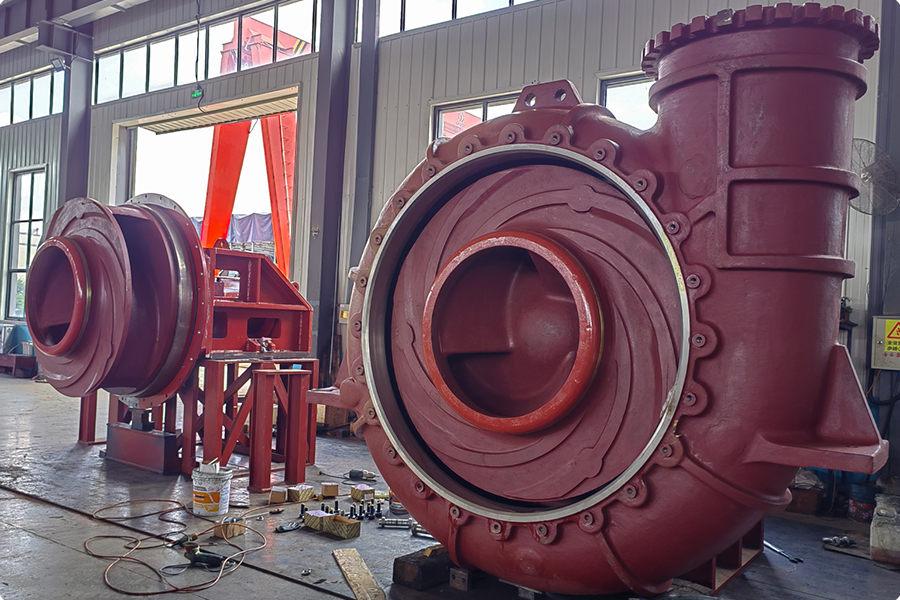
How to Source Replacement Pump Parts Based on Old Equipment?
Learn how to correctly source and replace pump parts for old equipment to ensure efficient industrial operation and maintenance.
How Does Hebei Central Minerals Co.,Ltd. Support Overseas Industrial Pump Customers?
Discover how Hebei Central Minerals Co.,Ltd. provides comprehensive support and reliable solutions for overseas industrial pump customers.
What After-Sales Support Is Available After Industrial Pump Delivery?
Discover after-sales support for industrial pumps, including technical guidance, maintenance, and warranties to ensure stable equipment operation.
How to Select Wet End Parts and Reduce Wear for Metal Slurry Pumps?
Learn how to choose wet-end parts and reduce wear for metal slurry pumps to effectively extend equipment service life and improve operational efficiency.
Types of Rubber Slurry Pumps & How to Choose Among 4 Products?
Discover the types of rubber slurry pumps and how to choose among four products. Detailed guide on classification and selection to help you find the right pump for your working conditions.
What Applications Are CLR and CMR Light Abrasive Slurry Pumps Suitable For?
Explore the working conditions suitable for CLR and CMR light duty slurry pumps and understand their features and application ranges across various scenarios.
What Should Be Considered When Selecting a CMCR Mill Underflow Pump?
Learn key factors and considerations for selecting CMCR mill underflow pumps to help you choose the right model and configuration.
What Sump/Pit Working Conditions Are CSPR Rubber Vertical Slurry Pumps Suitable For?
Discover the suitable tank conditions for CSPR rubber sump pumps, analyze their material features and applications, and get professional guidance for industrial pumps.
What Are the Features of CAHR Rubber Centrifugal Pumps? How to Select the Right Model?
Discover the key features and correct selection methods for CAHR rubber centrifugal pumps to help users better understand and apply them.
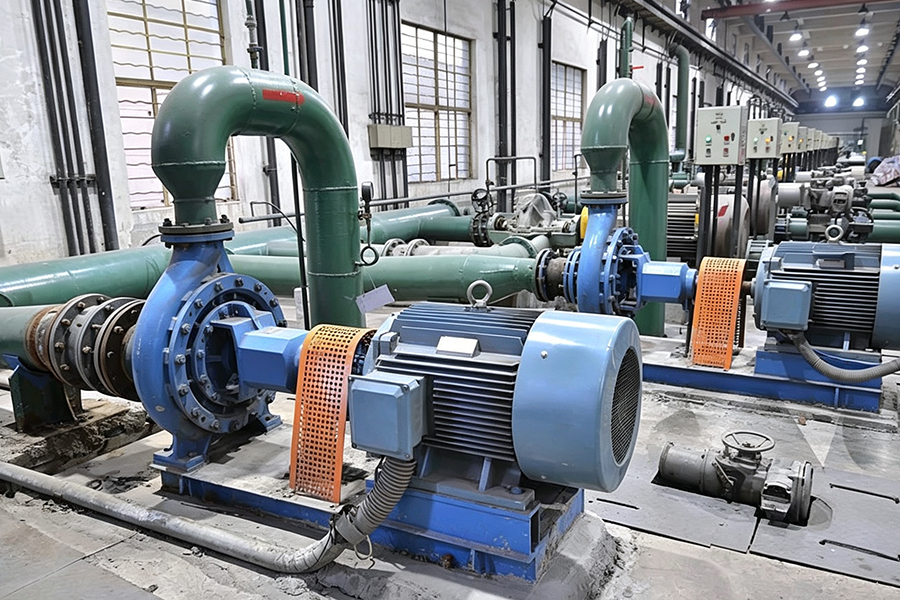
What Is the Difference Between Rubber Slurry Pumps and Metal Slurry Pumps?
Compare the key differences between rubber and metal slurry pumps to help you choose the right pump type based on your working conditions and conveyed media.
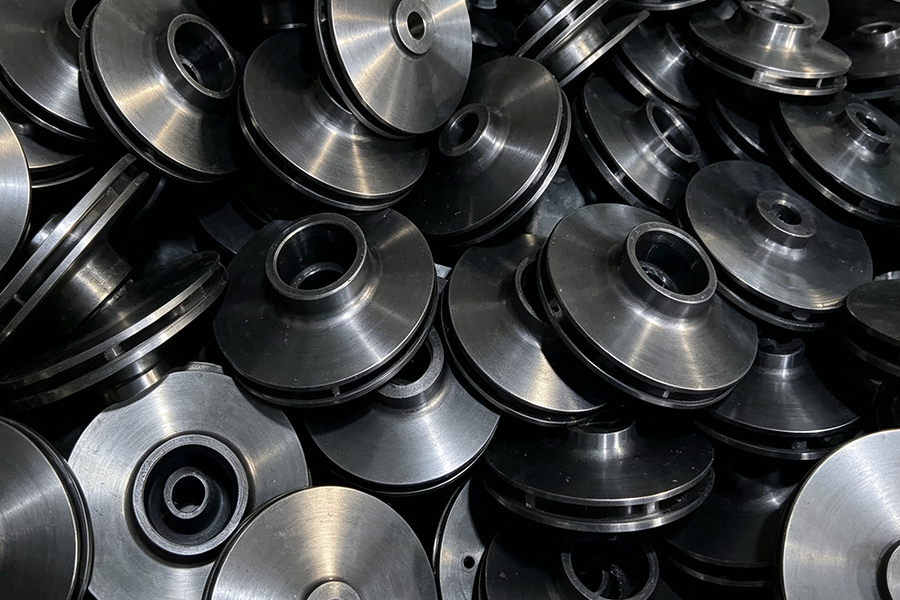
What Are the Types of Slurry Pump Impellers? How Should You Choose?
Learn about the main types of slurry pump impellers and selection methods to help you choose the right one.
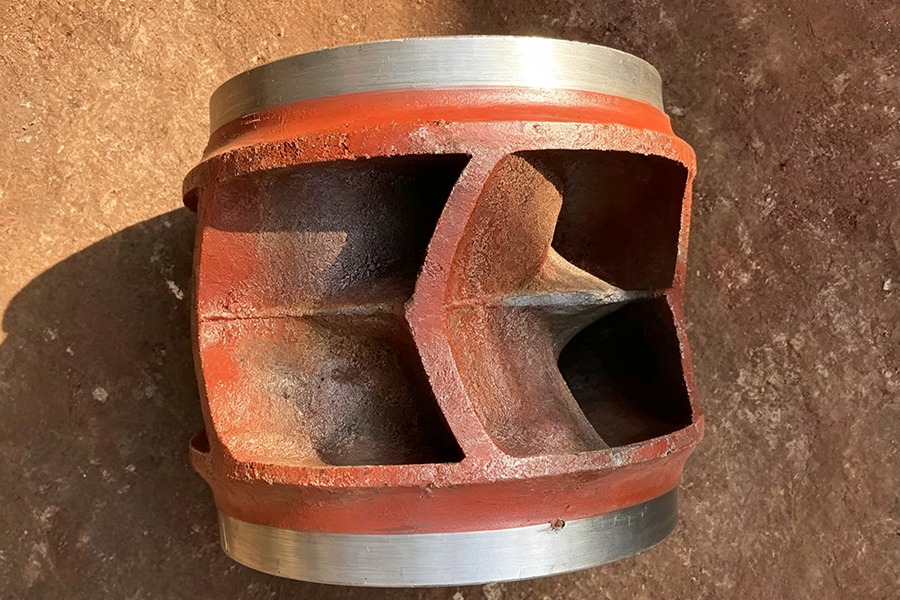
What Are the Respective Roles of the Impeller and Casing in a Slurry Pump?
Detailed analysis of the core functions of the impeller and casing in slurry pumps to help users better understand their working principles and structure.
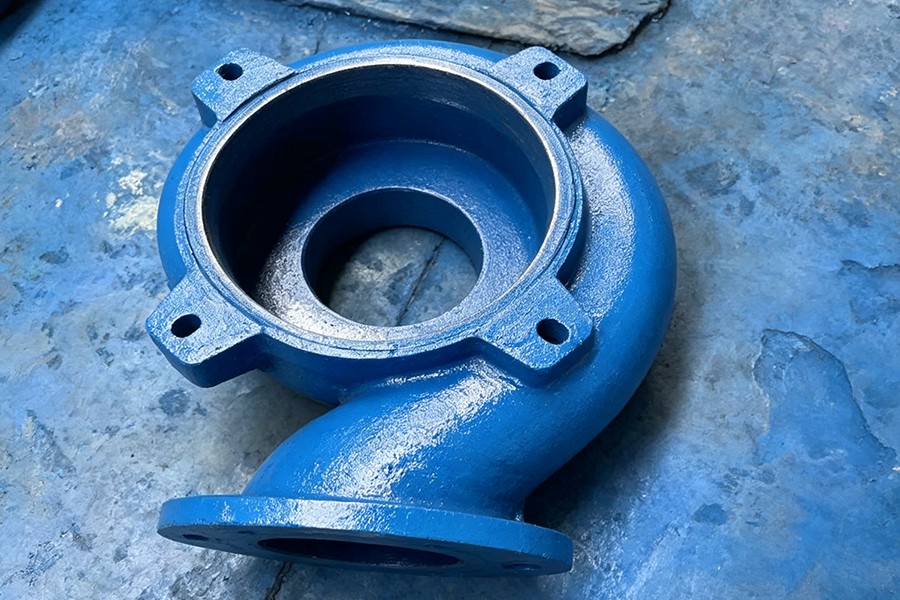
Should a Worn Pump Casing Be Repaired or Replaced?
Explore whether to repair or replace worn industrial pump casings, analyze key factors, and make cost-effective maintenance decisions.
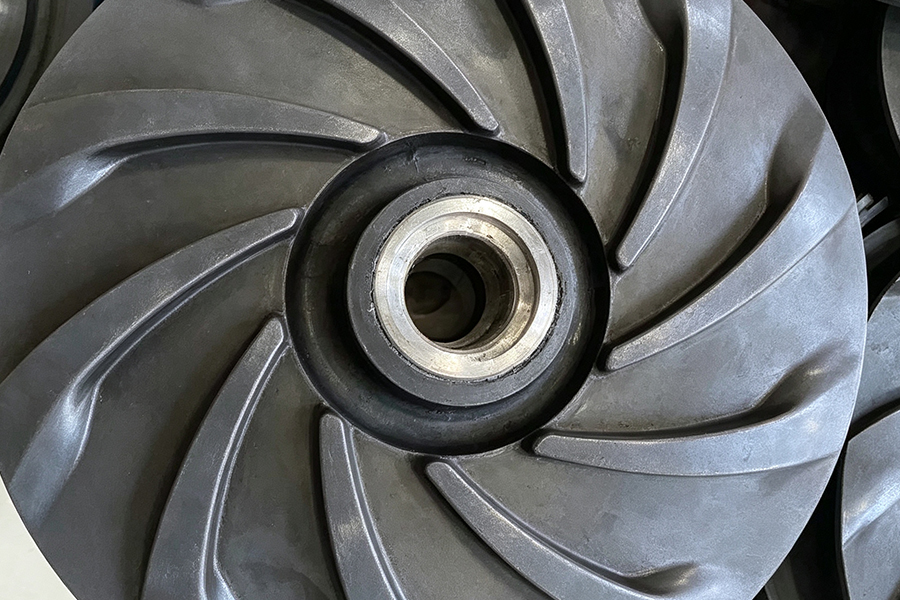
What information is required when replacing an impeller or pump casing?
Learn what information and details to provide when replacing an impeller or pump casing to ensure smooth maintenance and repair.
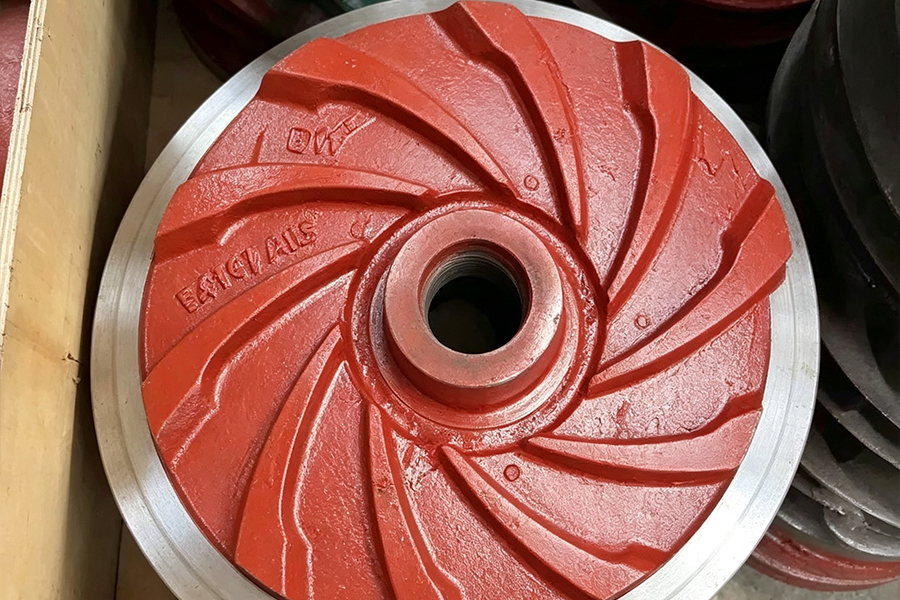
Should the Impeller and Casing Be Made of Metal, Rubber, or Ceramic Materials?
Explore how to weigh metal, rubber, and ceramic materials for impellers and pump casings, analyzing their characteristics and application scenarios.
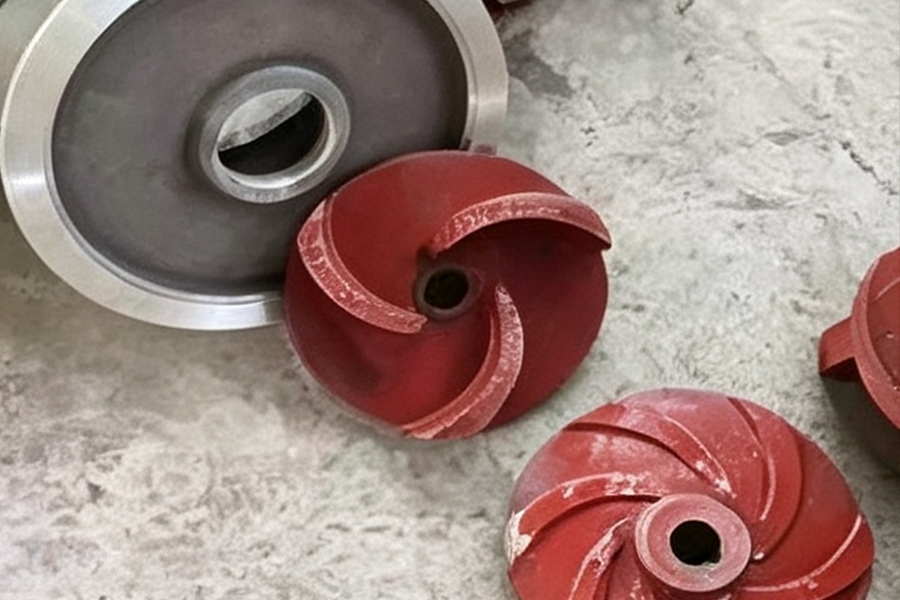
How to Determine if the Impeller and Pump Casing Need Replacement?
Learn how to determine when industrial pump impellers and casings need replacement and master key methods for wear and troubleshooting.
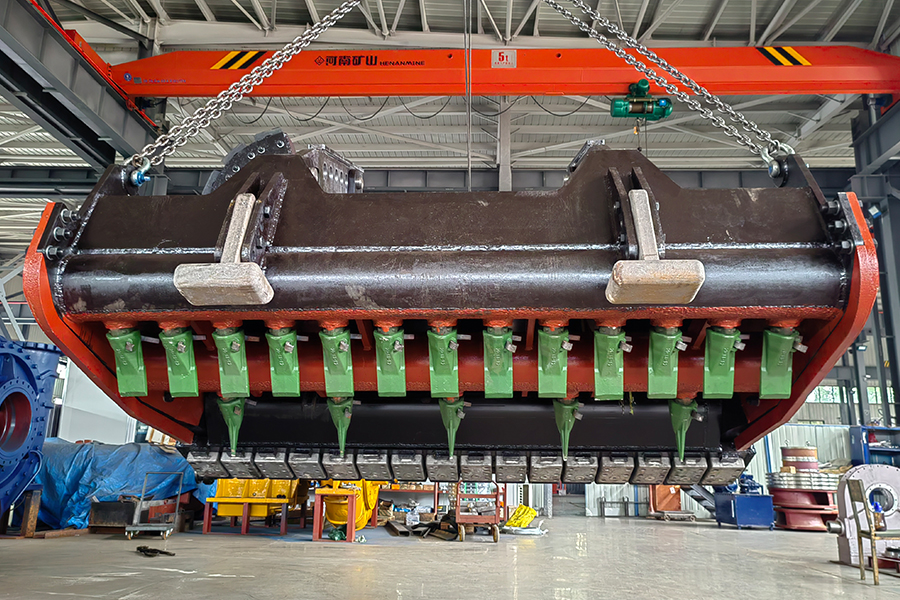
What Are Dredger Parts? How to Choose Cutter Head Assemblies, Cutters, Bucket Wheels, and Dragheads?
Detailed guide to dredger parts including cutter heads, bucket wheels, and drag heads, with tips on selecting the right equipment for your working conditions.
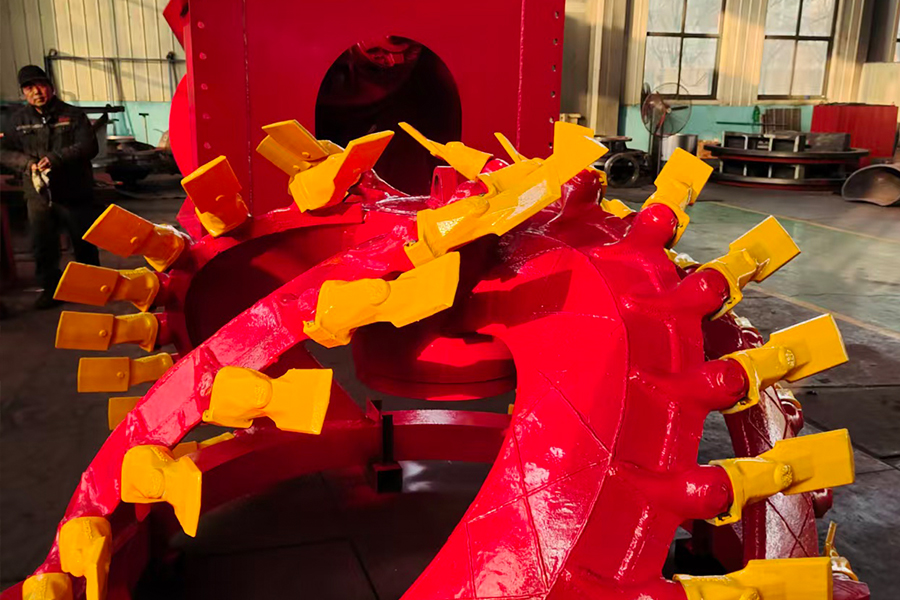
What components are included in a cutter head assembly? What needs to be confirmed before purchasing?
Learn about the core components of a cutter head assembly and key considerations before purchase to help you select and apply it better.
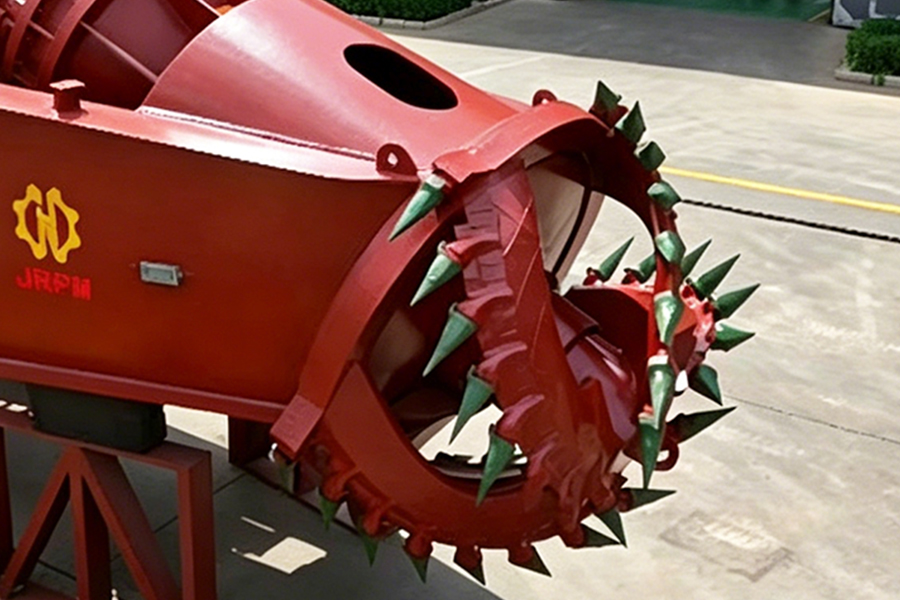
How to Choose a Dredger Cutter Head? When Does It Need Replacement?
Detailed guide on dredger cutterhead selection and replacement timing to help users understand selection criteria and when to replace.
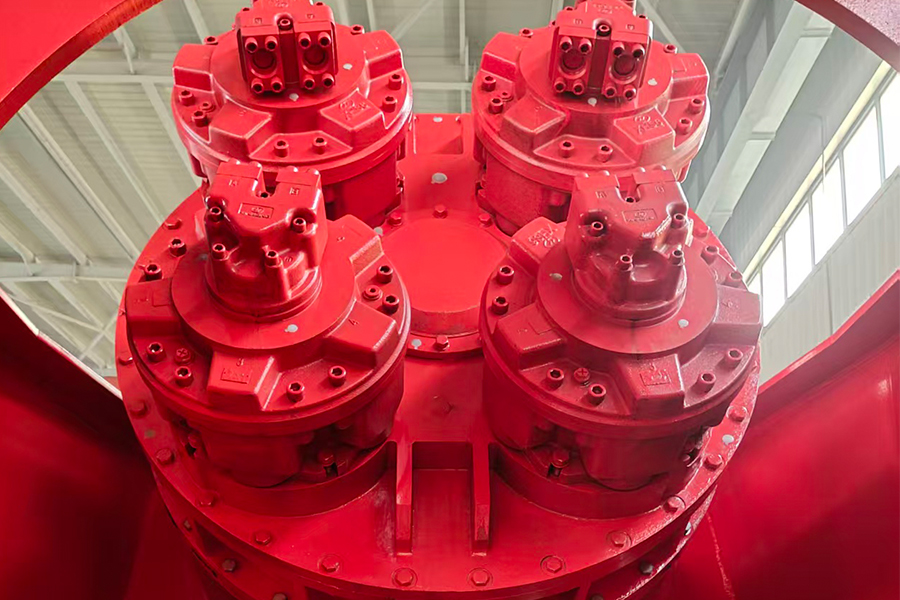
What is the difference between bucket wheels and cutter wheels? Which dredging conditions are they suitable for?
Explore the core differences between bucket wheels and cutter wheels and their ideal dredging scenarios to help you choose the right equipment.
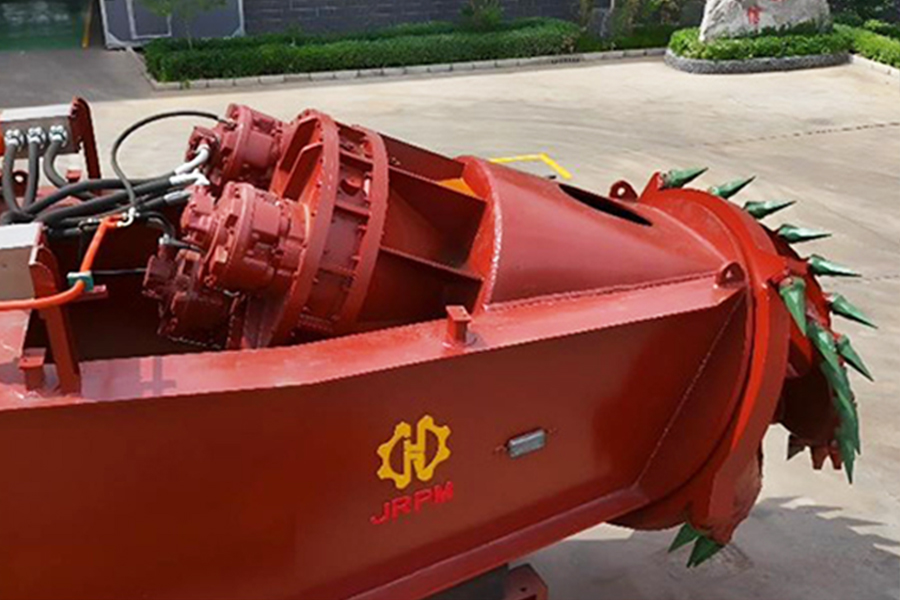
What Is the Function of a Dredge Draghead? What Parameters Need to Be Confirmed for Selection?
Discover the functions of dredger dragheads and key parameters for selection to help you make informed decisions on dredging equipment.
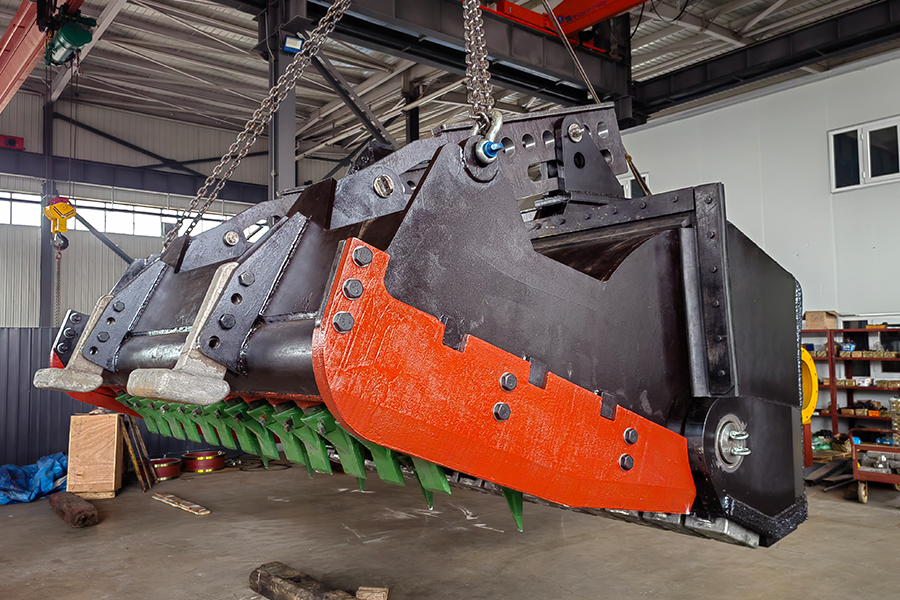
How to Extend the Service Life of Dredger Cutter Heads, Bucket Wheels, and Drag Heads?
Learn how to extend the lifespan of dredger cutters, bucket wheels, and dragheads with essential maintenance and operational tips.
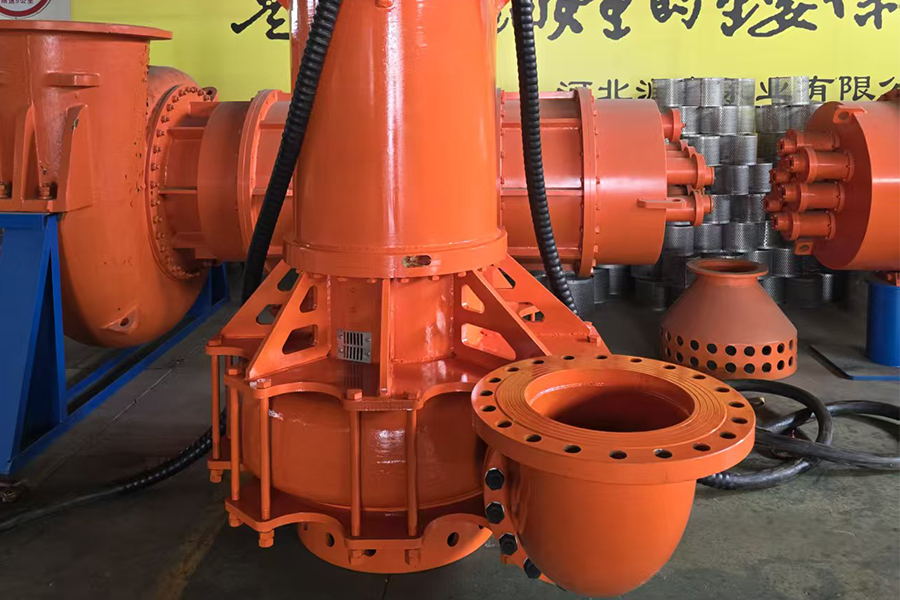
What Are the Types of Submersible Slurry Pumps? How to Choose Among Six Products?
This article introduces the classification of submersible slurry pumps and selection methods for six types of products, helping users understand the features and application scenarios of different slurry pump models.
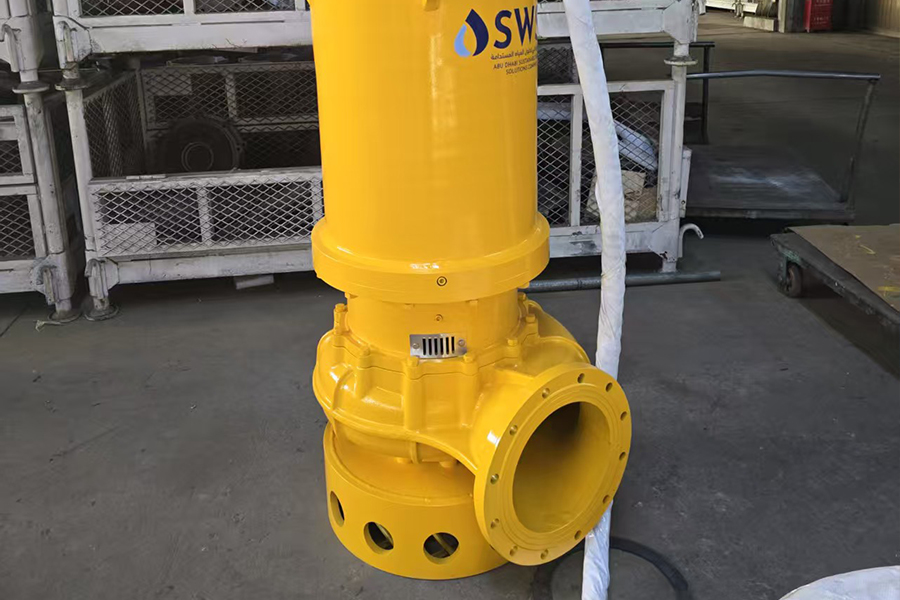
What is the difference between an agitator submersible slurry pump and a high-pressure jetting submersible slurry pump?
Explore the differences in working principles and application scenarios between forced agitation and high-pressure flushing submersible slurry pumps.
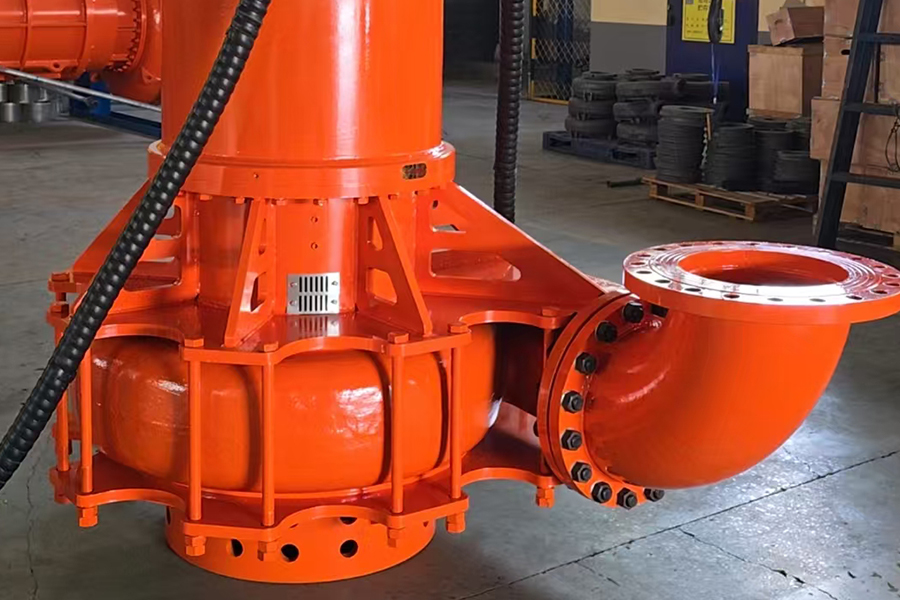
How to Select Flow Rate, Head, and Pipe Diameter for High-Flow Submersible Slurry Pumps?
Learn how to choose high-flow submersible slurry pumps by scientifically matching flow rate, head, and pipe diameter to boost efficiency and stability.
What Needs to Be Confirmed for the Selection of Explosion-Proof Submersible Slurry Pumps?
Learn the key parameters and technical requirements for selecting an explosion-proof submersible slurry pump to ensure accurate selection and safe operation.
Are Forced-Cooling Submersible Slurry Pumps Suitable for Continuous Operation?
Explore whether forced-cooling submersible slurry pumps are suitable for continuous operation and learn their operating characteristics and requirements.
Why Is an Alignment Check Required for Coupled Submersible Slurry Pumps?
Why do coupled submersible slurry pumps need alignment checks? Learn the importance and reasons for checking pump alignment.
没有找到相关产品或新闻