


Types of Rubber Slurry Pumps & How to Choose Among 4 Products?
Rubber slurry pumps refer to slurry transport equipment whose wet end components are made of rubber materials or rubber linings, mainly used for handling abrasive or corrosive mineral slurries, tailings, fine-particle slurries, and industrial suspensions.
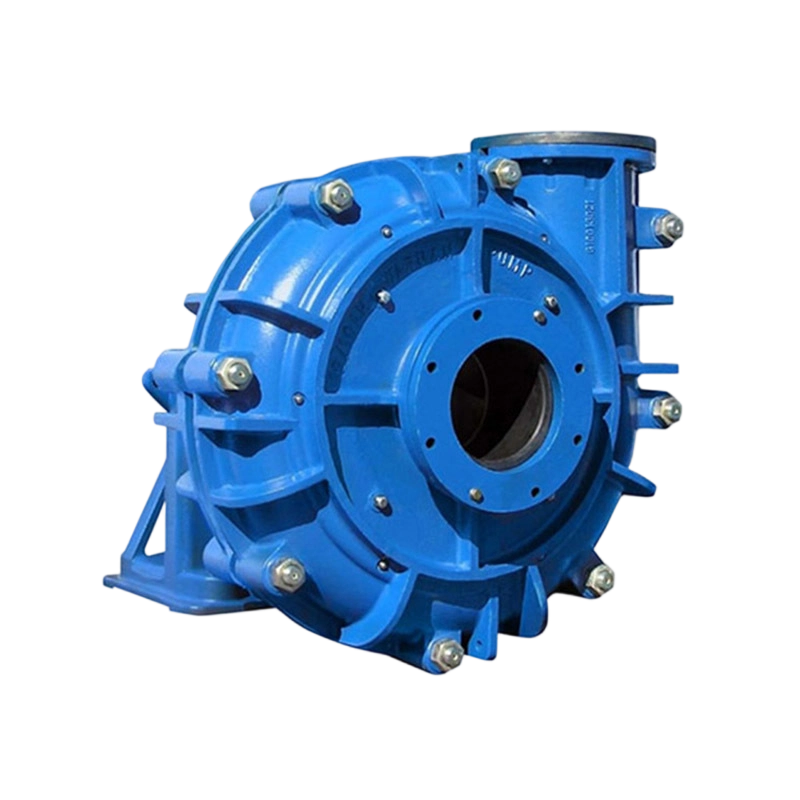
Currently, the rubber slurry pump series includes CLR and CMR light-duty slurry pumps, CMCR mill underflow pumps, CSPR vertical rubber sump pumps, and CAHR rubber centrifugal pumps. Different products are suitable for different installation methods, particle conditions, and process locations.
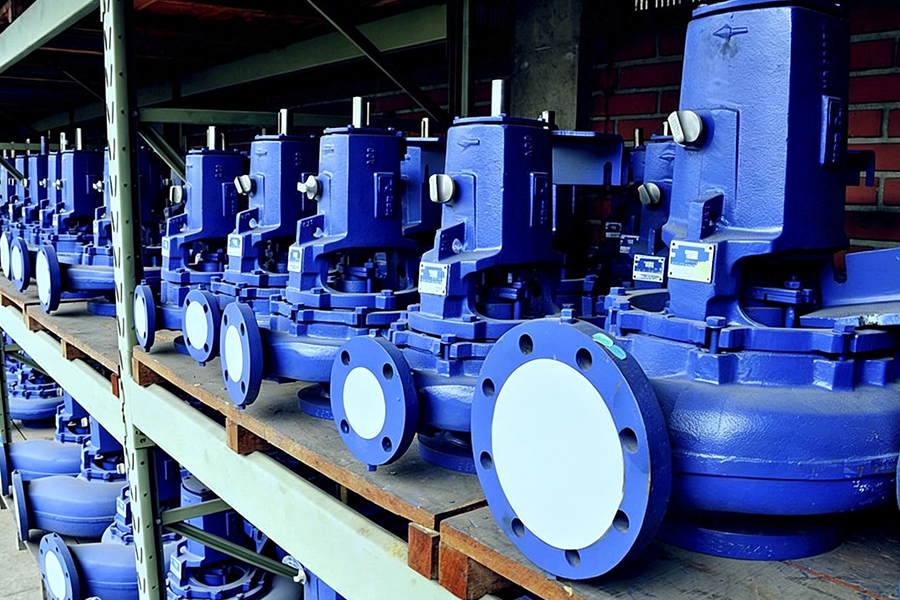
CLR and CMR Light-Duty Slurry Pumps
CLR and CMR light-duty slurry pumps are primarily designed for transporting slurries with relatively low abrasiveness, finer particles, or relatively mild operating conditions. Applicability must be confirmed based on particle size, particle shape, solid content, temperature, and corrosiveness.
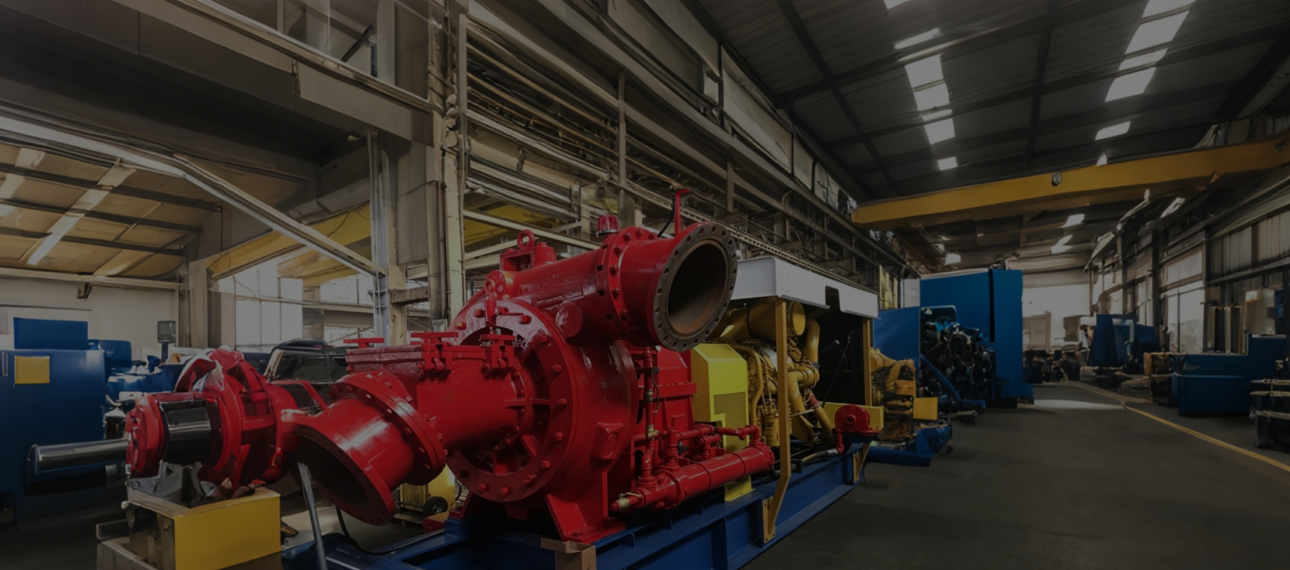
CMCR Mill Underflow Pumps
CMCR mill underflow pumps are mainly used for slurry handling related to grinding processes. During model selection, priority should be given to confirming slurry density, solid content, particle size, flow variations, required head, and whether continuous operation is required.
CSPR Vertical Rubber Sump Pumps
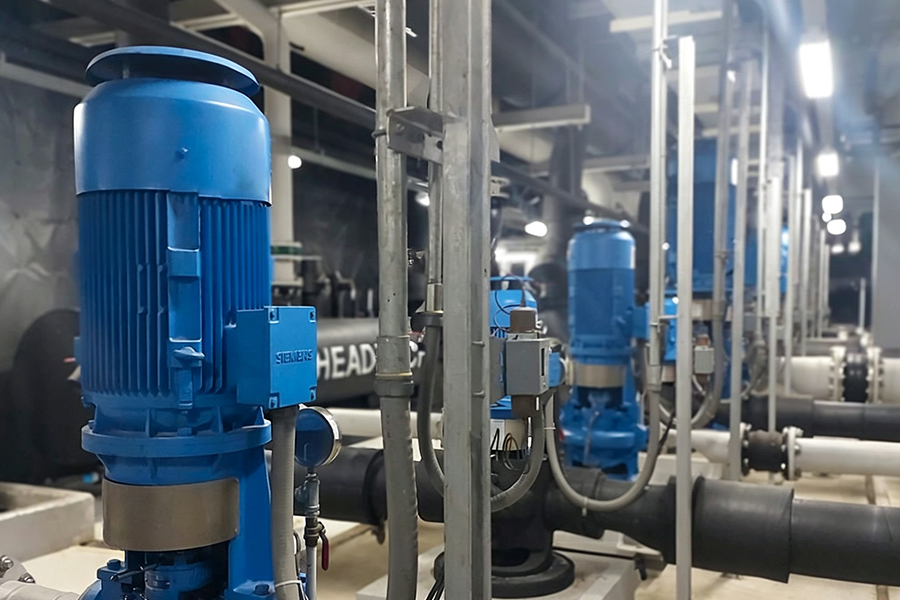
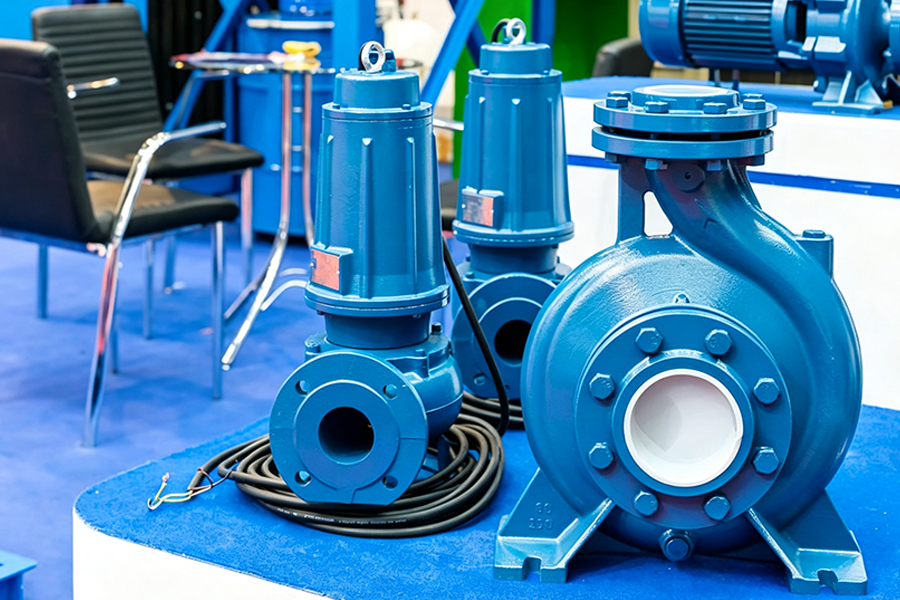
CSPR vertical rubber sump pumps are suitable for applications where the pump casing or wet end components need to extend into sumps or tanks, such as slurry sumps, process tanks, and settling basins. Model selection requires confirming the insertion depth, minimum liquid level, sump dimensions, and media characteristics.
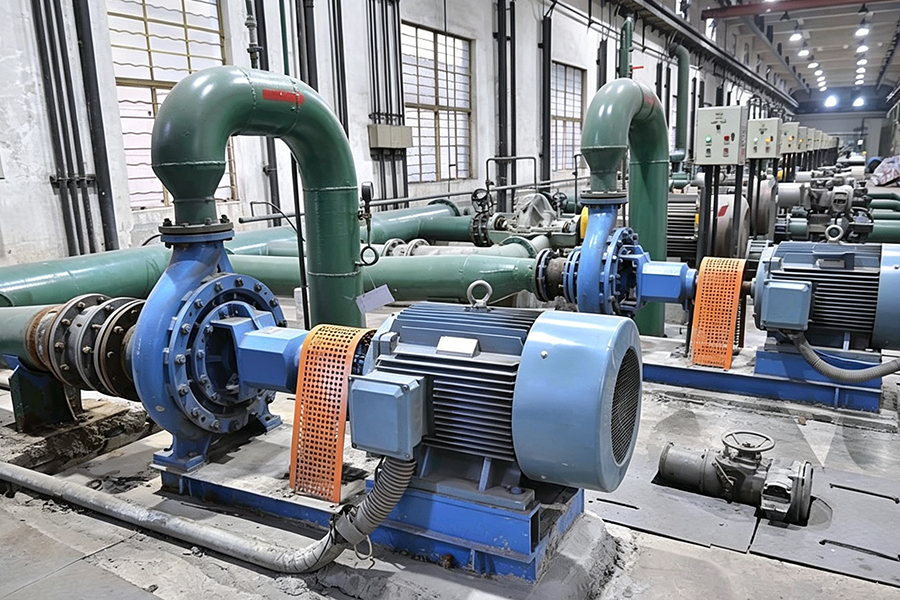
CAHR Rubber Centrifugal Pumps
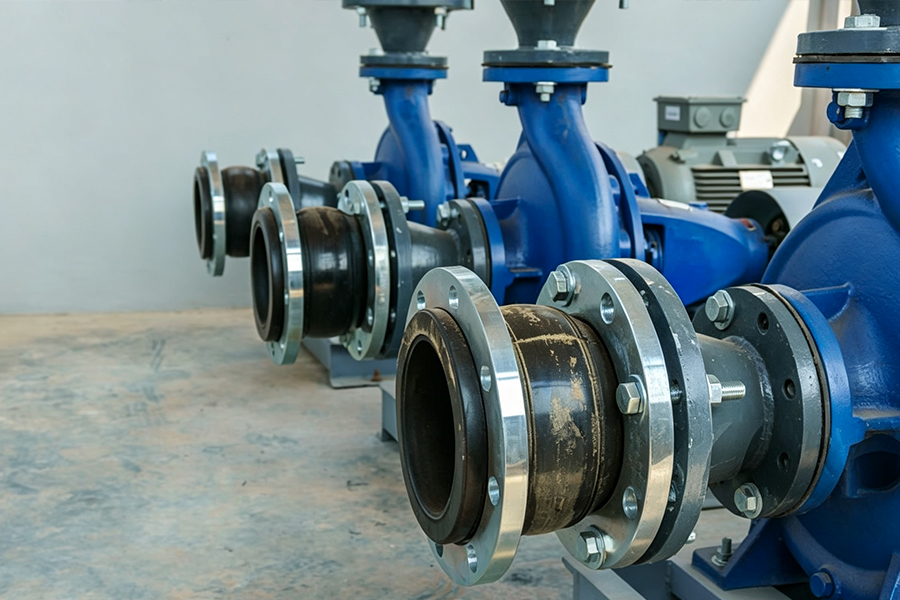
CAHR rubber centrifugal pumps transport slurry via centrifugal force and can be applied to mining, mineral processing, and industrial slurry handling based on flow rate, head, medium, and pipeline conditions. The suitability of rubber wet end components should be evaluated in conjunction with temperature, particle, and chemical conditions.
How to Choose?
If the medium has fine particles and relatively low abrasiveness, CLR and CMR light-duty slurry pumps can be evaluated; for slurry handling in grinding circuits, CMCR can be evaluated; for sump or submerged installation, CSPR can be evaluated; when centrifugal transport is required, CAHR can be evaluated.
The final model should be confirmed based on flow rate, head, particle size, solid content, temperature, pH value, installation method, and operating duration.

.png "CLR, CMR Light Duty Slurry Pump")
.png "CMCR Mill Underflow Slurry Pump")
.png "CSPR Rubber Submerged Sump Pump")