

Select Country or Region

global

English

Blog Center

Blog Details

What Sump/Pit Working Conditions Are CSPR Rubber Vertical Slurry Pumps Suitable For?

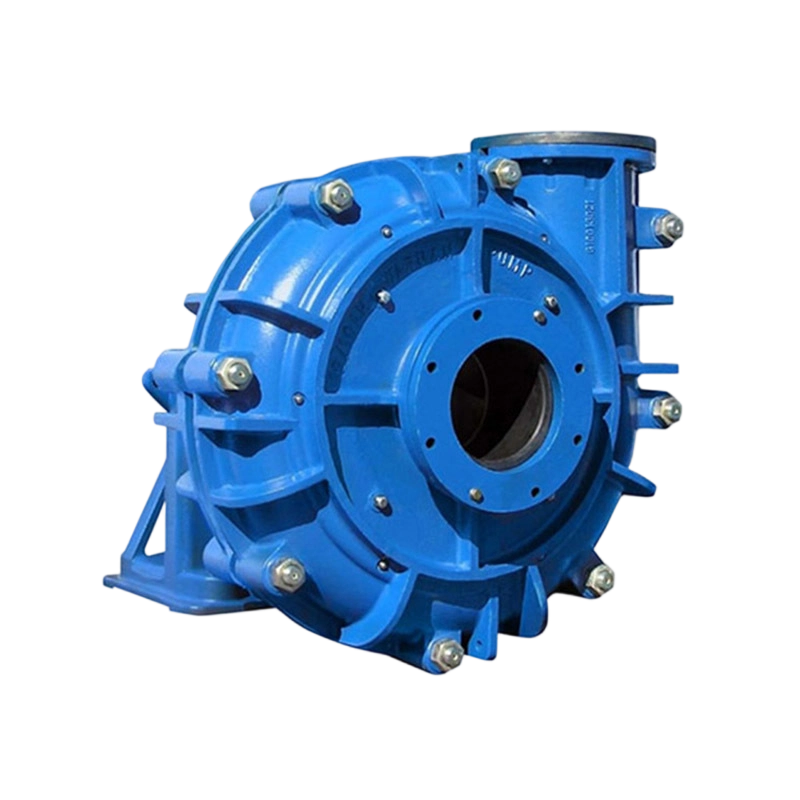
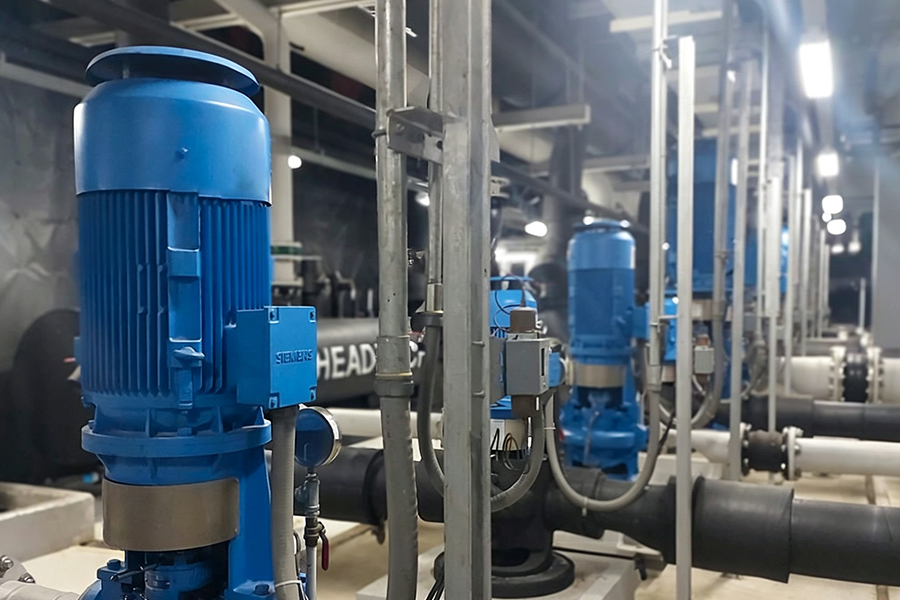
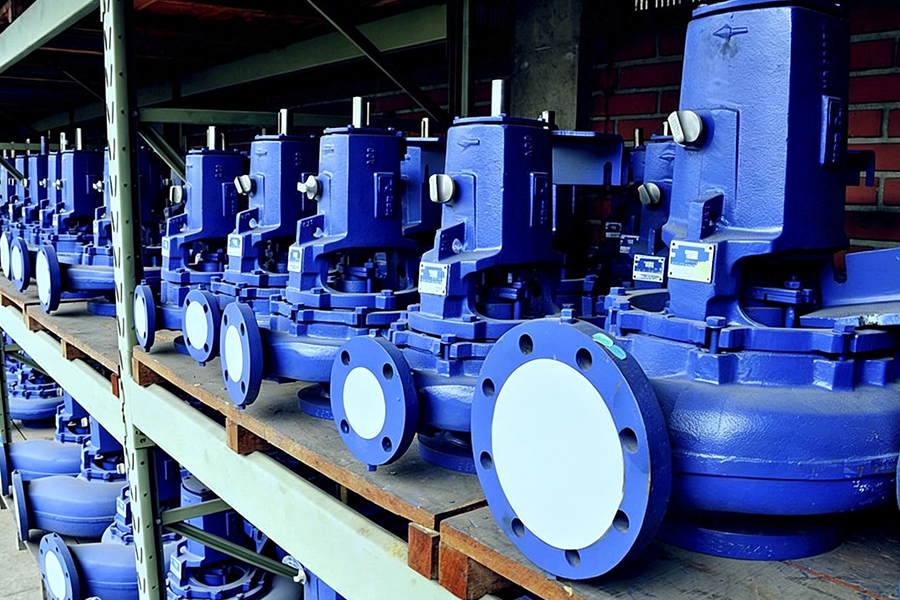
CSPR rubber vertical slurry pumps are suitable for applications where the pump body or some wet parts need to be submerged into pits, slurry sumps, or industrial vessels. Depending on the actual configuration, they can be used to transport slurry, fine-particle suspensions, industrial slurries, and media with a certain degree of abrasiveness or corrosiveness.

In addition to confirming flow rate and head, the selection of a vertical slurry pump should also focus on installation depth and liquid level variations.

It is recommended to provide: pit depth and dimensions; pump immersion depth; normal liquid level and minimum liquid level; medium name; solids content and density; maximum particle size; medium temperature and pH value; pipeline length and diameter;

continuous or intermittent operation mode.

If there is significant sediment at the bottom of the pit, the sediment layer thickness and suction inlet position should also be specified. Whether the vertical slurry pump is suitable for directly handling bottom sediment needs to be confirmed based on the pump's inlet structure and particle conditions.

Rubber wet parts can provide wear or corrosion protection depending on the medium conditions, but are not suitable for all high-temperature, oil-containing, sharp large-particle, or special chemical media. The temperature and chemical compatibility of the rubber material should be checked prior to model selection.

During installation, ensure that the support structure is stable and avoid pipeline weight acting directly on the pump body. During operation, attention should be paid to liquid level, flow rate, vibration, electrical current, and wear conditions of the wet parts.

Company FAQs
FAQ
Here, we answer your frequently asked questions about customization, material selection, and purchasing industrial rubber and wear-resistant components.
Contact Us
What are common spare parts for rubber slurry pumps?
Common spare parts include impellers, rubber liners, casings, frame plate liners, shaft sleeves, seal assemblies, and bearing assemblies. Replacements should be confirmed by pump model, part number, or drawings.
Can rubber slurry pumps be customized?
Yes. They can be configured or customized based on flow rate, head, rubber lining, sealing type, drive equipment, inlet/outlet orientation, and installation conditions.
What are the differences among CLR, CMR, CMCR, CSPR, and CAHR?
Different models target specific installation methods and operating conditions: CLR and CMR: For light abrasive slurry handling. CMCR: For mill underflow and specific slurry conditions. CSPR: For submerged or sump slurry handling. CAHR: For rubber-lined centrifugal pumping applications.
How to select the right rubber slurry pump?
Model selection requires parameters including flow rate, head, medium type, solids content, particle size, slurry density, temperature, pH, suction conditions, and operating hours.
What is the purpose of a rubber lining?
Rubber linings reduce wear and corrosion on the pump casing and wet parts, making them ideal for moderate-temperature slurries with predominantly fine particles. Specific materials and lining structures should be selected based on slurry concentration, particle size, temperature, and corrosiveness.
What applications are rubber slurry pumps suitable for?
Rubber slurry pumps primarily handle mineral slurry, tailings, mortar, and other solid-bearing slurries. They are suitable for mining, mineral processing, grinding, tailings disposal, and industrial conveying.

Ready to upgrade your
pumping system?

Global Inquiry Hotline

+86 19933037056

Official Email

info@cnminerals.com

Company Address

Block C, MCC Shengshi Plaza, No. 66 Xiangtai Road, Yuhua District, Shijiazhuang City, Hebei Province

Get Free Custom Solution

*
*
File Upload Upload your drawings for a real-time quote