
Select Country or Region

global

English

Blog Center

Blog Details

What is the difference between an agitator submersible slurry pump and a high-pressure jetting submersible slurry pump?

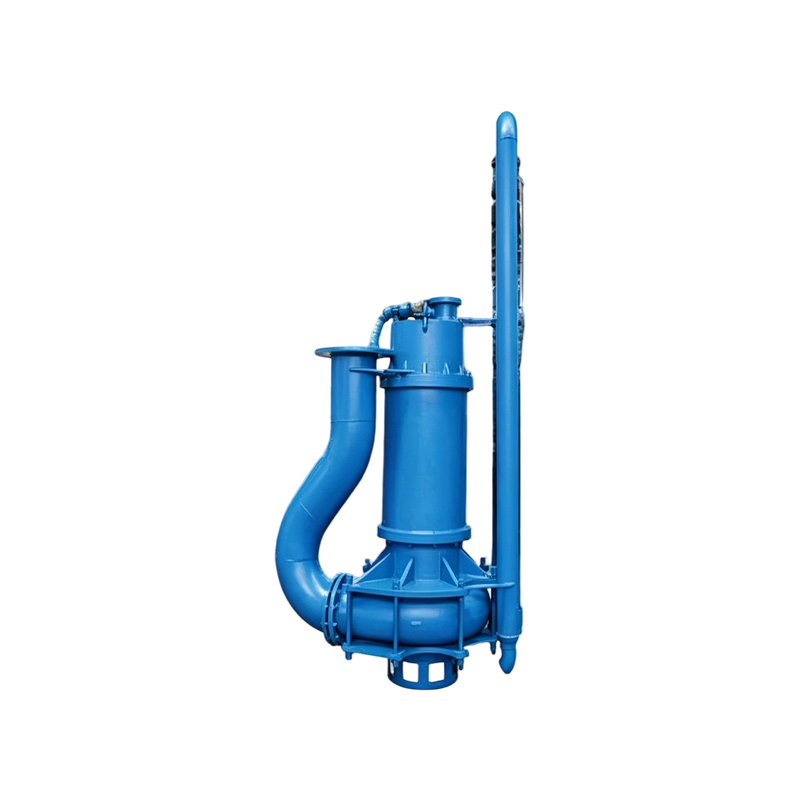
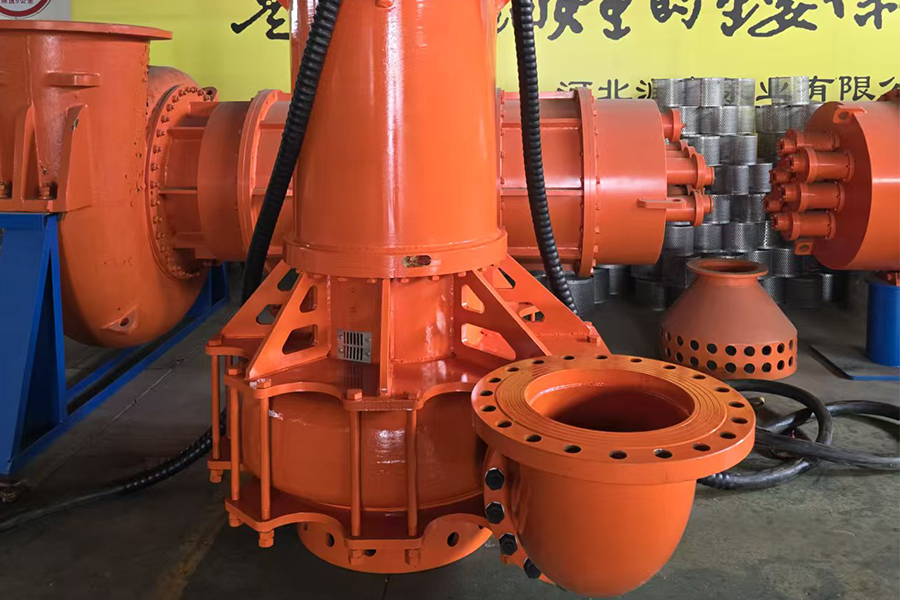
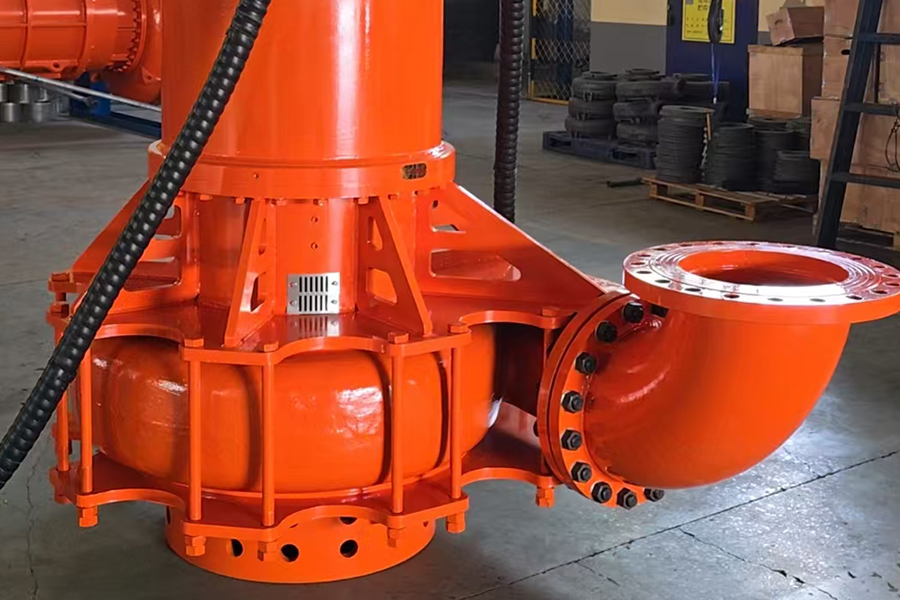
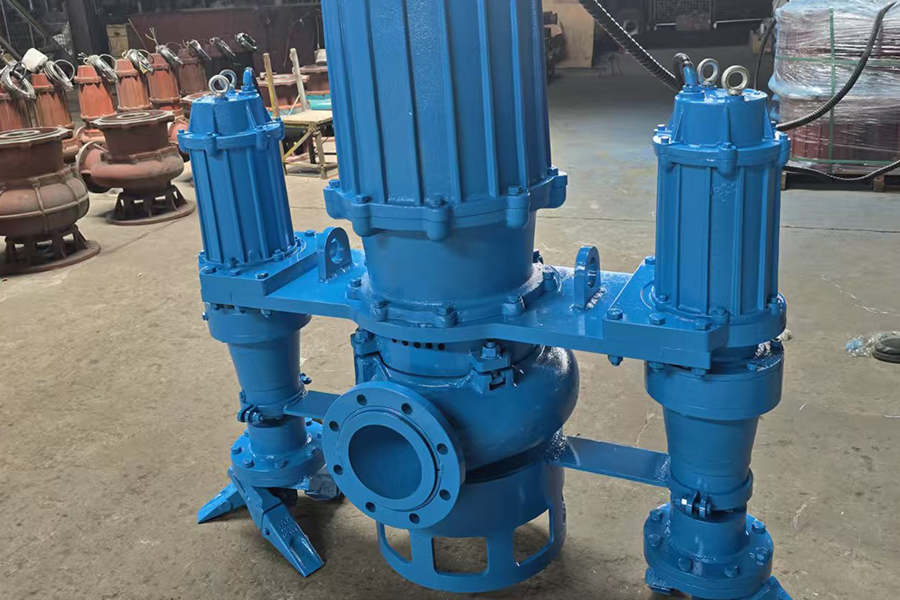
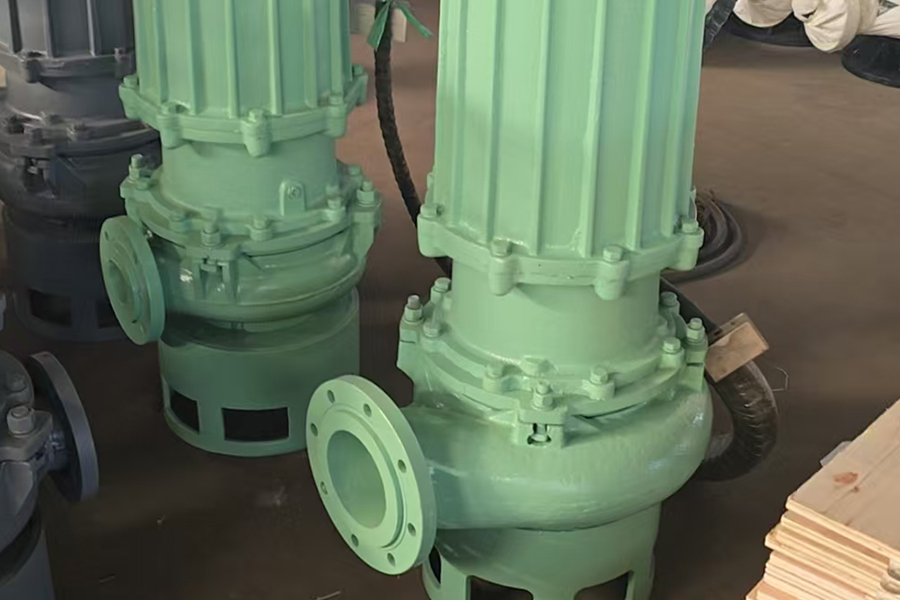
Both agitator submersible slurry pumps and high-pressure jetting submersible slurry pumps can be used in working conditions with bottom sediment, but they handle sediment differently.

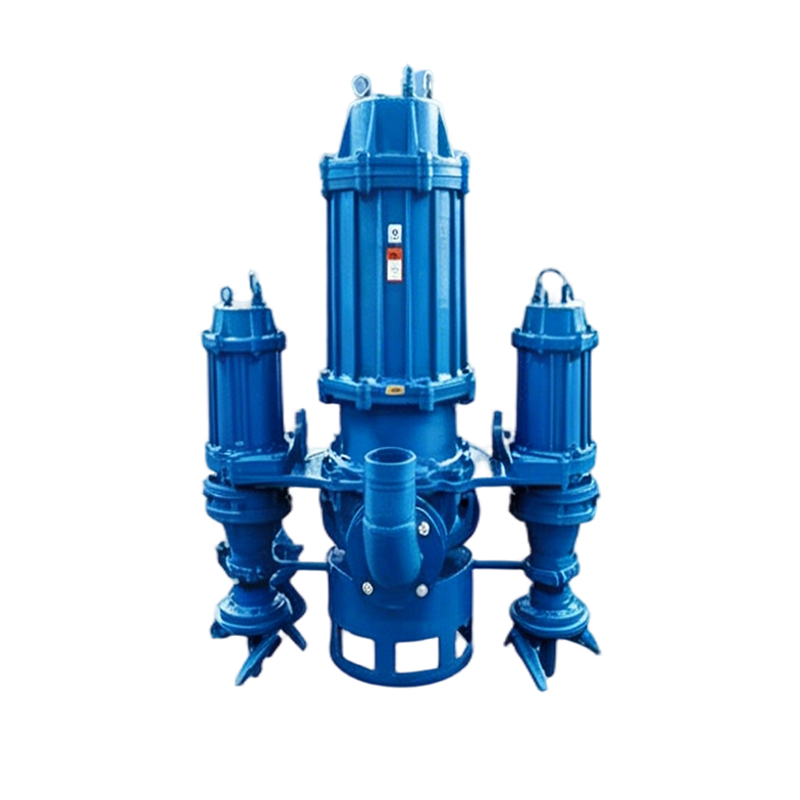
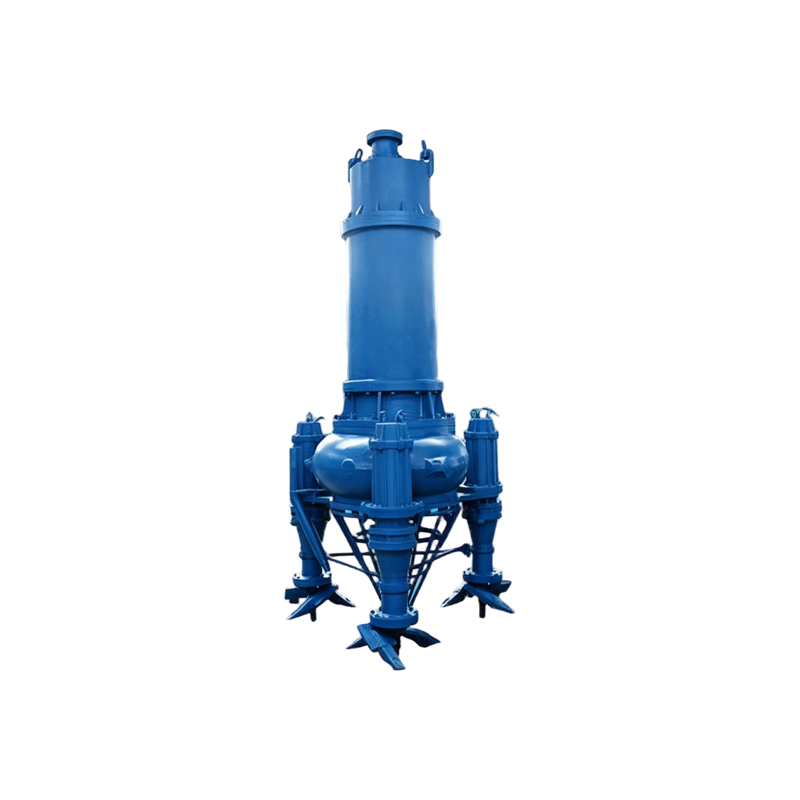
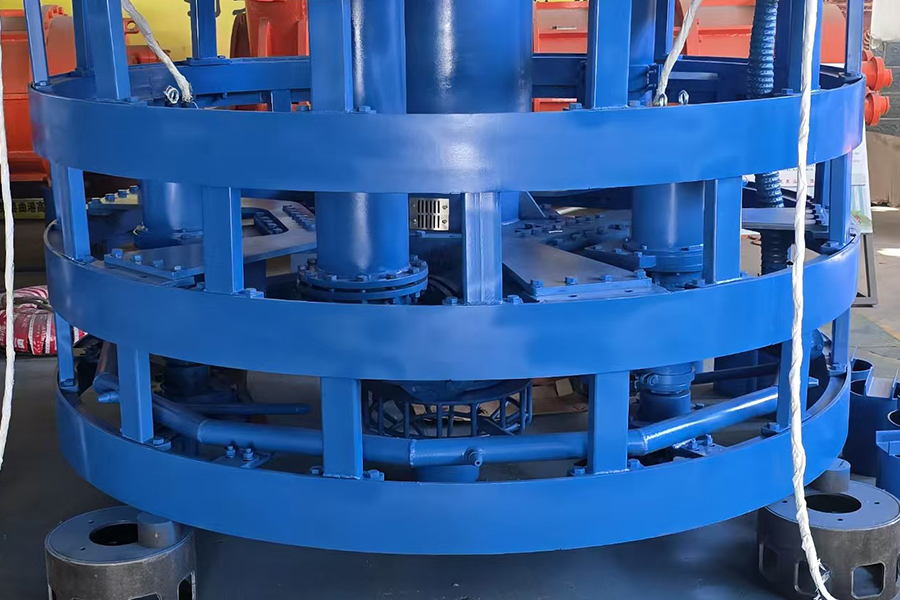
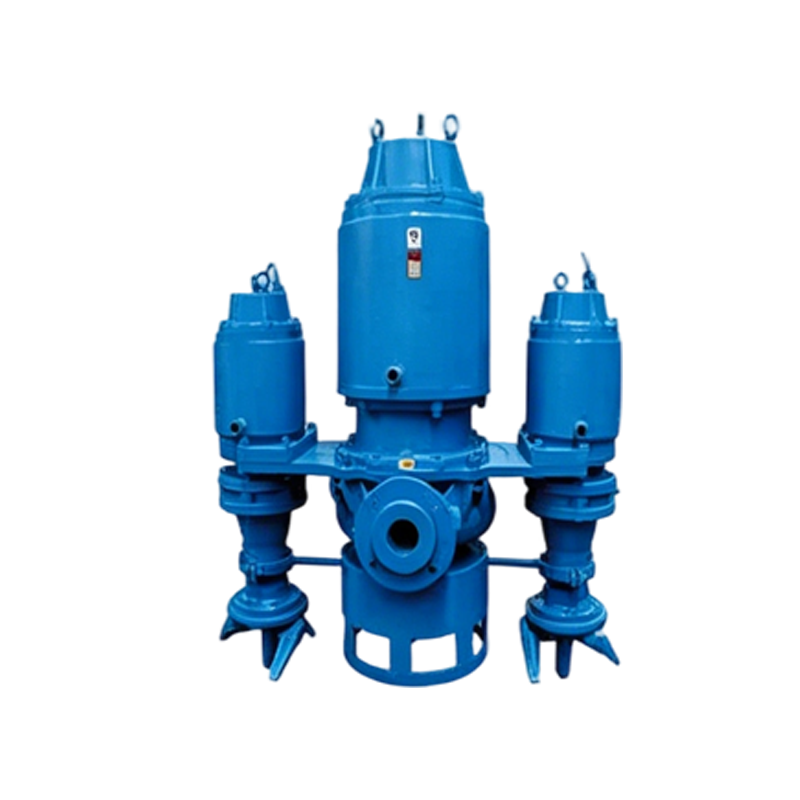
The agitator type disturbs sand, slurry, or sludge near the pump inlet through mechanical agitation components, making it suitable for applications that require simultaneous agitation and transfer.

The high-pressure jetting type uses pressurized liquid streams to break up or loosen sediment, improving the fluidity of materials at the bottom of the basin based on the nozzle direction and jetting range. Whether an external water source or an independent jetting system is required should be confirmed according to the actual product structure.

When making a selection, focus on comparing:

1. Sediment type and hardness;

2. Sediment layer thickness;

3. Maximum particle size;

4. Solid content and viscosity;

5. Area to be treated;

6. Availability of a water source for jetting;

7. Operation and maintenance conditions.

If the sediment is severely compacted or contains large debris, mechanical clearing may also be required. It is recommended to provide basin dimensions, sediment photos, and on-site videos so that technical personnel can determine whether an agitator type, jetting type, or combined solution is most suitable.

Company FAQs
FAQ
Here, we answer your frequently asked questions about customization, material selection, and purchasing industrial rubber and wear-resistant components.
Contact Us
What parameters are needed to quote a submersible slurry pump?
Please provide required flow rate, head, medium type, solids content, max particle size, density, submersion depth, operating hours, installation method, voltage/frequency, and operating environment.
Can submersible slurry pumps handle large particles or high-concentration slurries?
Yes, select models can be configured for large particles, high concentrations, or abrasive slurries. Max particle size and concentration limits depend on the pump model, impeller design, wet-end materials, and operating conditions.
What are the differences among submersible slurry pump types?
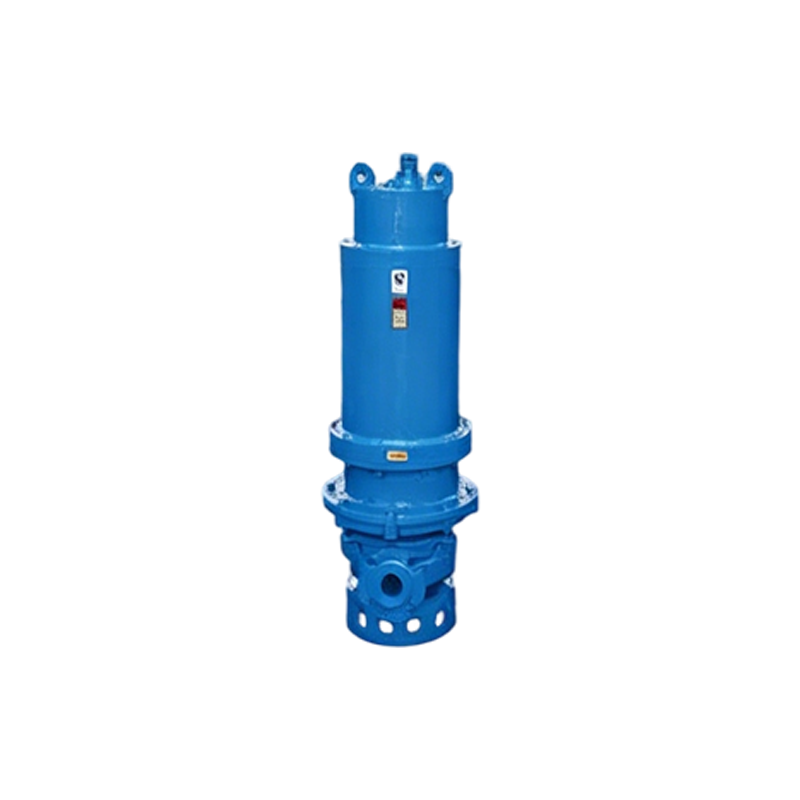
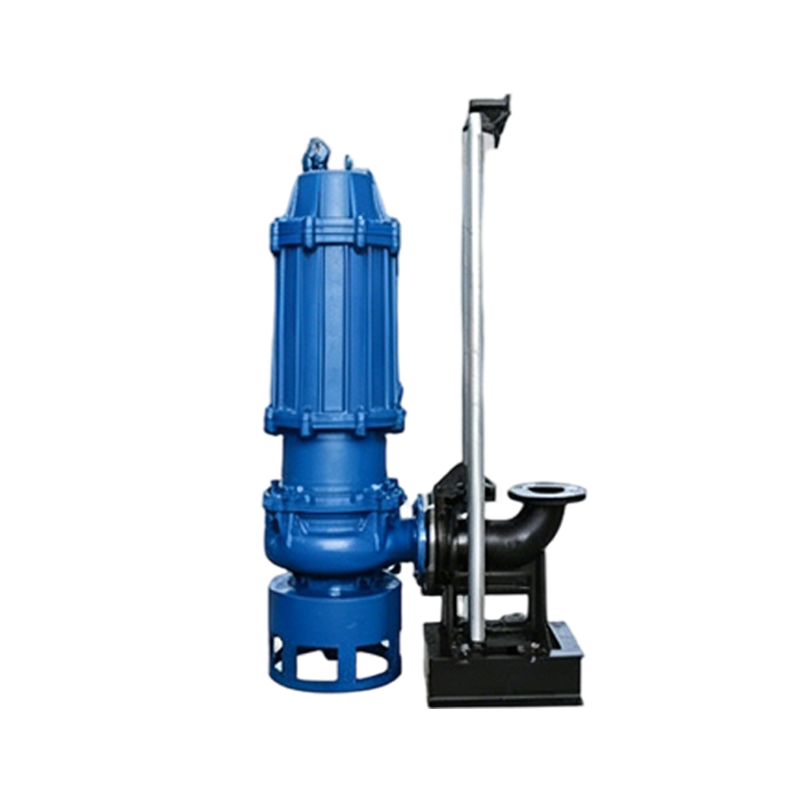
Different designs suit specific operating conditions: Agitator type: for sediments and high-concentration slurries; High-flow type: for large delivery volumes; Explosion-proof type: for hazardous or flammable environments; High-pressure jetting type: for flushing, loosening, and clearing sediments; Coupled type: for specific drive and mounting setups; Forced-cooling type: for continuous running or high heat-dissipation demands.
How to select the right submersible slurry pump?
Selection requires evaluating flow rate, head, slurry concentration, particle size, medium density, suction conditions, submersion depth, operating hours, and installation method.
What applications are slurry pumps suitable for?
Slurry pumps mainly transport solid-laden slurries, mud, sand, tailings, and sediments across mining, mineral processing, dredging, gravel conveying, and industrial waste handling.

Ready to upgrade your
pumping system?

Global Inquiry Hotline

+86 19933037056

Official Email

info@cnminerals.com

Company Address

Block C, MCC Shengshi Plaza, No. 66 Xiangtai Road, Yuhua District, Shijiazhuang City, Hebei Province

Get Free Custom Solution

*
*
File Upload Upload your drawings for a real-time quote