


Select Country or Region

global

English

Blog Center

Blog Details

Why Is an Alignment Check Required for Coupled Submersible Slurry Pumps?

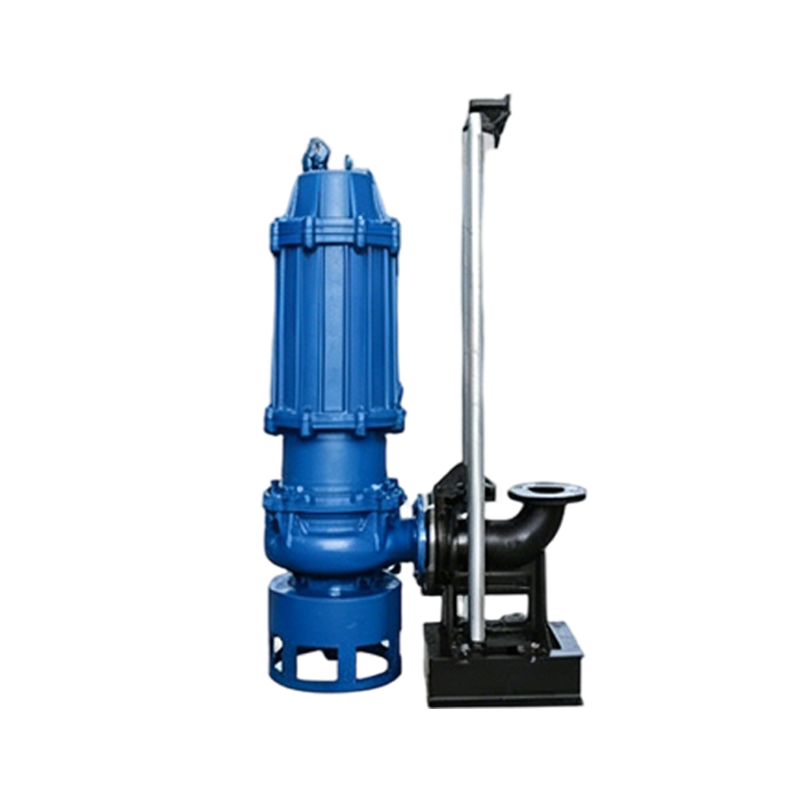
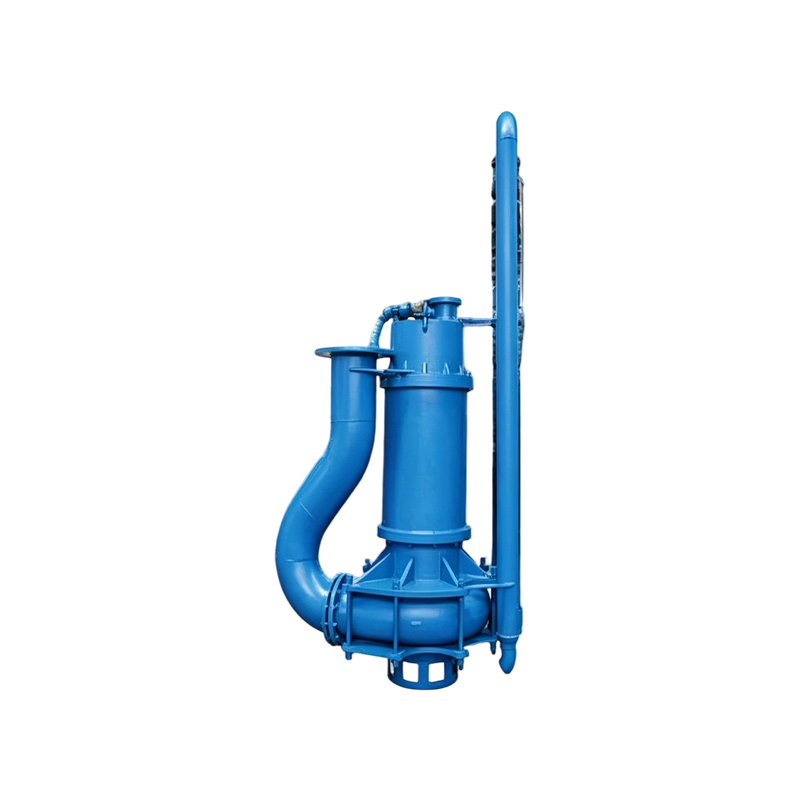
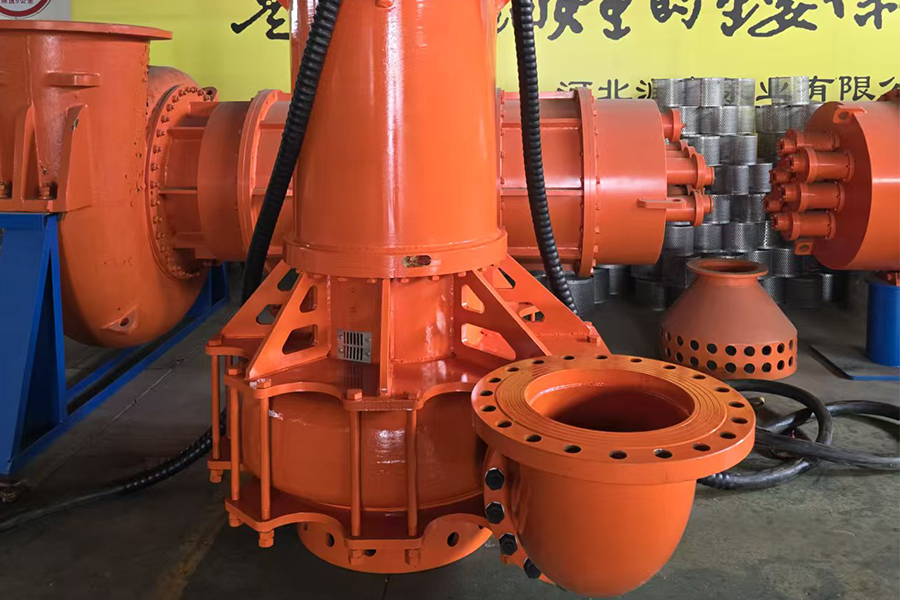
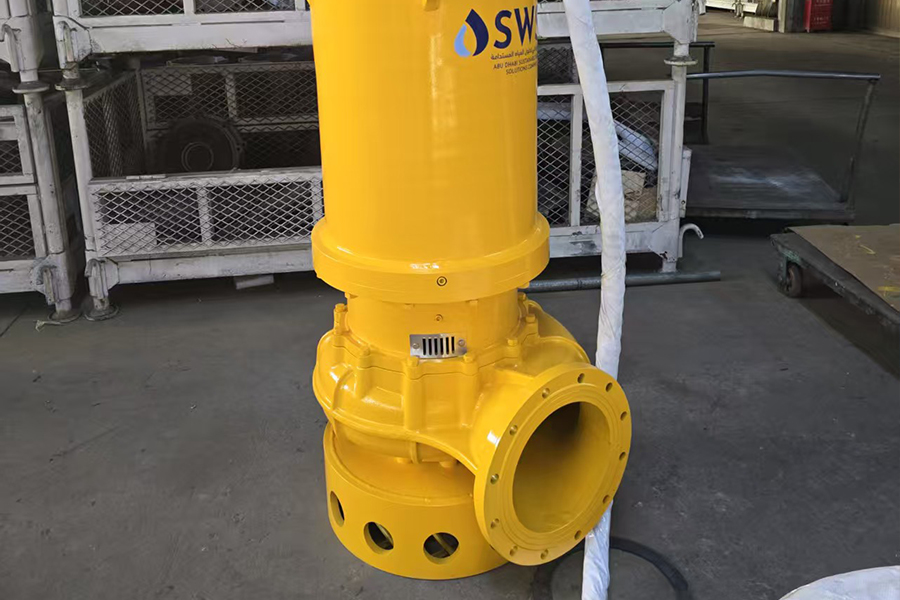
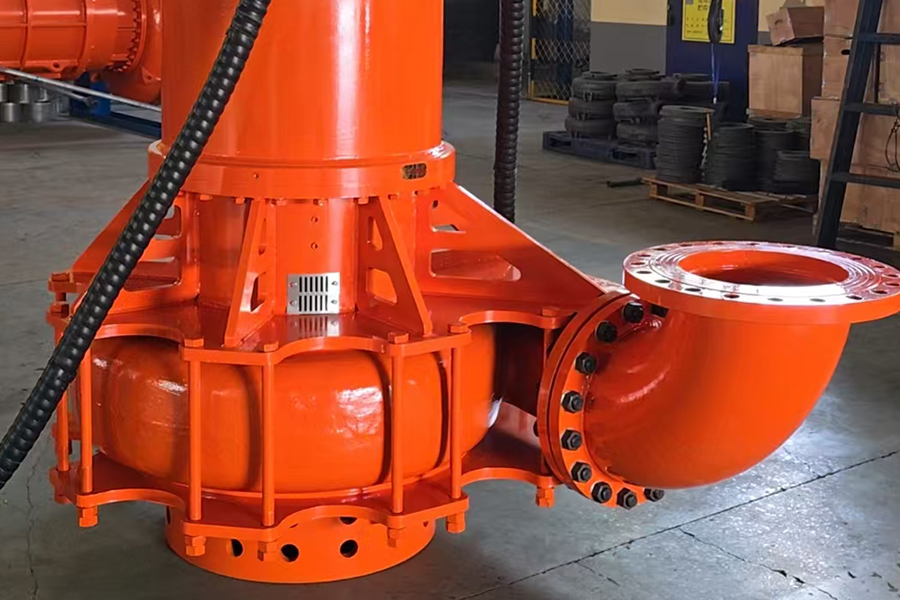
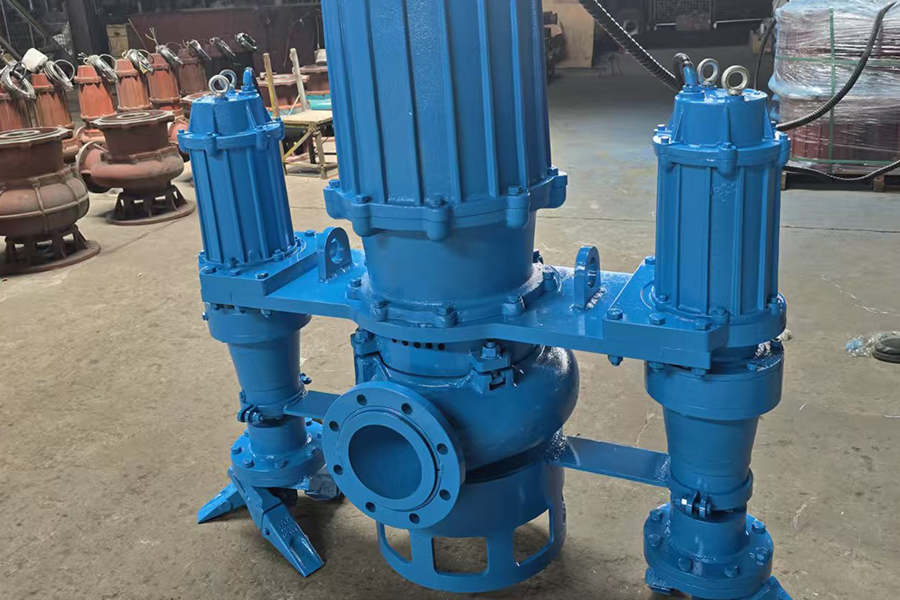
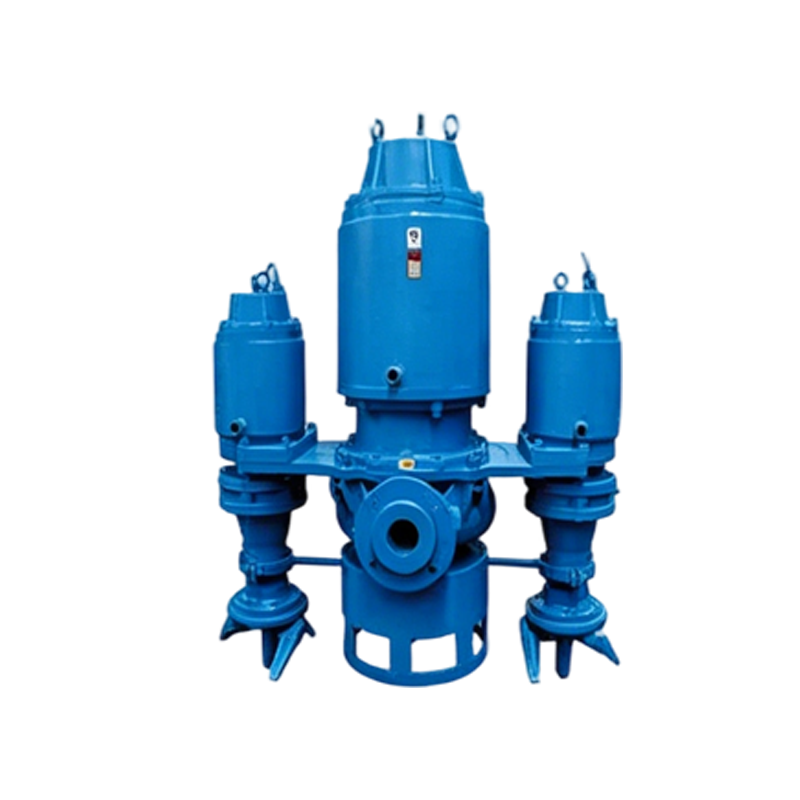
Coupled submersible slurry pumps transmit motor power to the pump shaft and impeller through a coupling. Whether the motor shaft, pump shaft, and coupling are properly aligned directly affects the equipment's vibration, noise, bearings, seals, and operating condition.

If alignment is poor, the following issues may occur:

1. Increased vibration and noise;

2. Bearing temperature rise;

3. Wear on seals and couplings;

4. Loosened fasteners;

5. Fluctuations in motor current;

6. Damage to rotating parts.

Before installation, the motor power, speed, shaft diameter, coupling specifications, direction of rotation, and mounting interfaces should be verified. The discharge pipeline should have independent support, and installation deviations must not be corrected by forcefully pulling the piping.

If you need to replace an existing coupled submersible slurry pump, it is recommended to provide the nameplates of the original pump and motor, photos of the coupling, structural drawings, shaft diameter, and installation dimensions. Compatibility between old and new equipment cannot be judged solely by similar appearance.

Company FAQs
FAQ
Here, we answer your frequently asked questions about customization, material selection, and purchasing industrial rubber and wear-resistant components.
Contact Us
What parameters are needed to request a submersible slurry pump quote?
Please specify required flow rate, head, medium type, solids content, max particle size, slurry density, submersion depth, operating duty, installation method, voltage/frequency, and operating environment.
Can submersible slurry pumps handle large solids or high-concentration slurries?
Yes, select models can be configured for large solids, high solids content, or heavy abrasives. Actual limits depend on pump model, impeller design, wet-end materials, and operating conditions.
What are the differences between submersible slurry pump types?
Each type targets specific conditions: Agitator: settles sediments and high-density slurries; High-flow: for high-volume transfer; Explosion-proof: for hazardous or flammable areas; High-pressure jetting: for flushing and breaking up sediments; Coupled: for specific drive/installation setups; Forced-cooling: for continuous duty or high heat dissipation.
How to select the right submersible slurry pump?
Consider flow rate, head, slurry concentration, particle size, medium density, suction conditions, submersion depth, operating hours, and installation method.
What applications are slurry pumps suitable for?
Slurry pumps handle abrasive slurries containing solids, mud, sand, tailings, and sediments, suited for mining, mineral processing, dredging, gravel handling, and industrial waste discharge.

Ready to upgrade your
pumping system?

Global Inquiry Hotline

+86 19933037056

Official Email

info@cnminerals.com

Company Address

Block C, MCC Shengshi Plaza, No. 66 Xiangtai Road, Yuhua District, Shijiazhuang City, Hebei Province

Get Free Custom Solution

*
*
File Upload Upload your drawings for a real-time quote