
Select Country or Region

global

English

Blog Center

Blog Details

How to Select Flow Rate, Head, and Pipe Diameter for High-Flow Submersible Slurry Pumps?

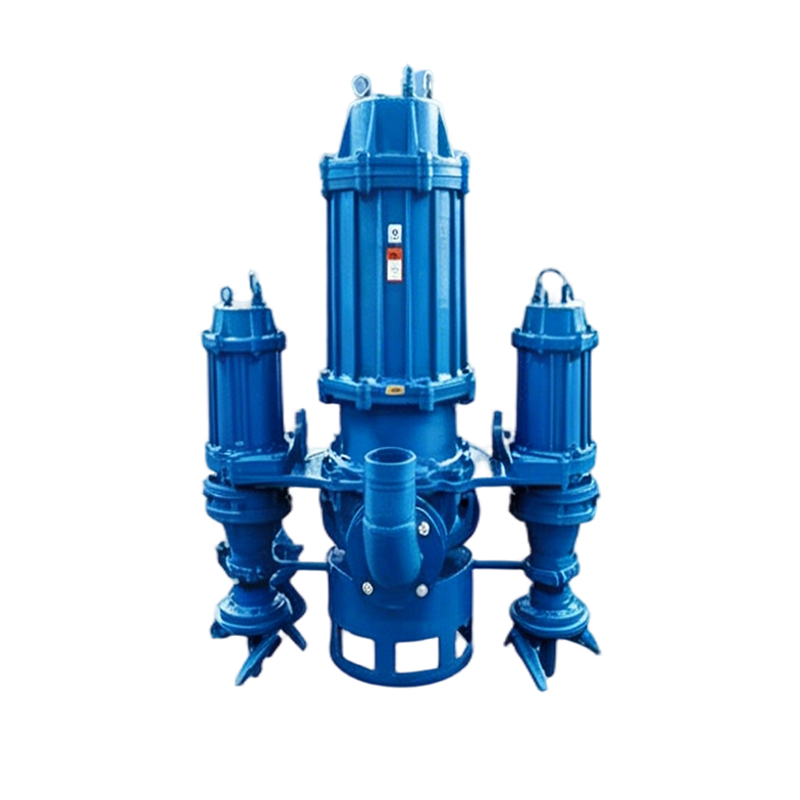
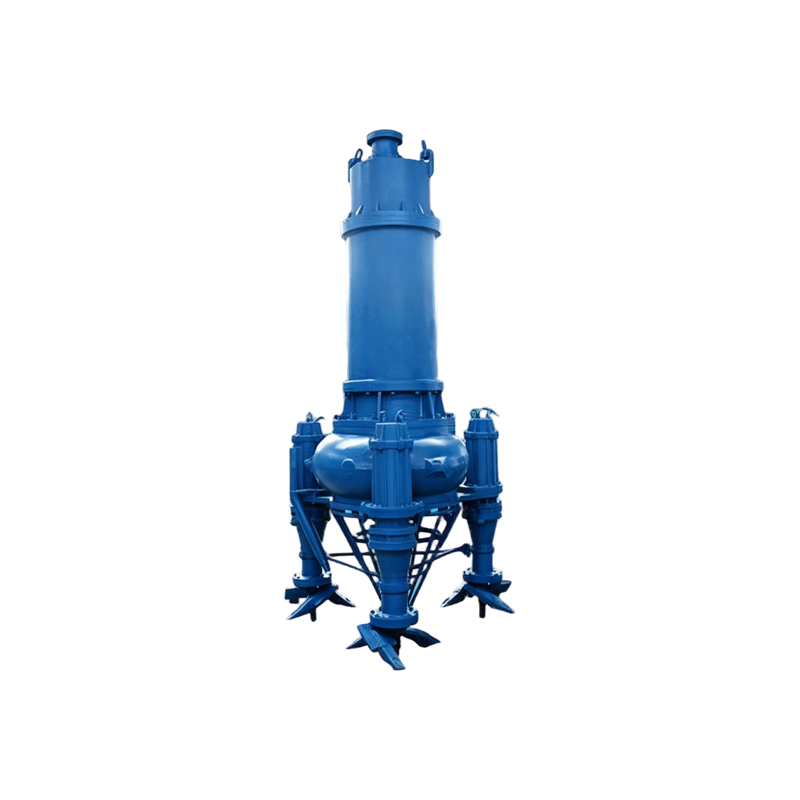
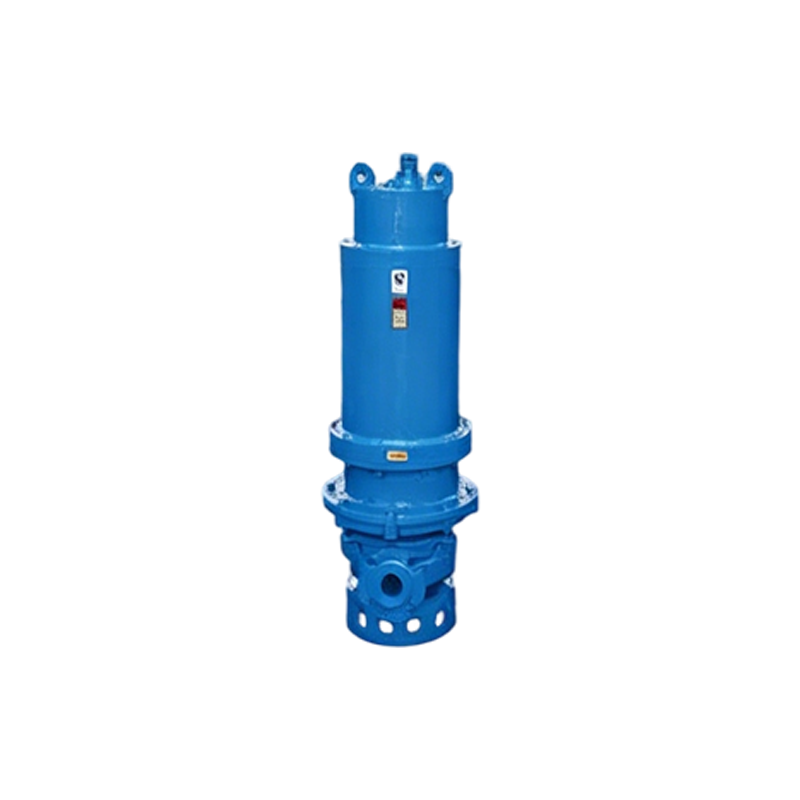
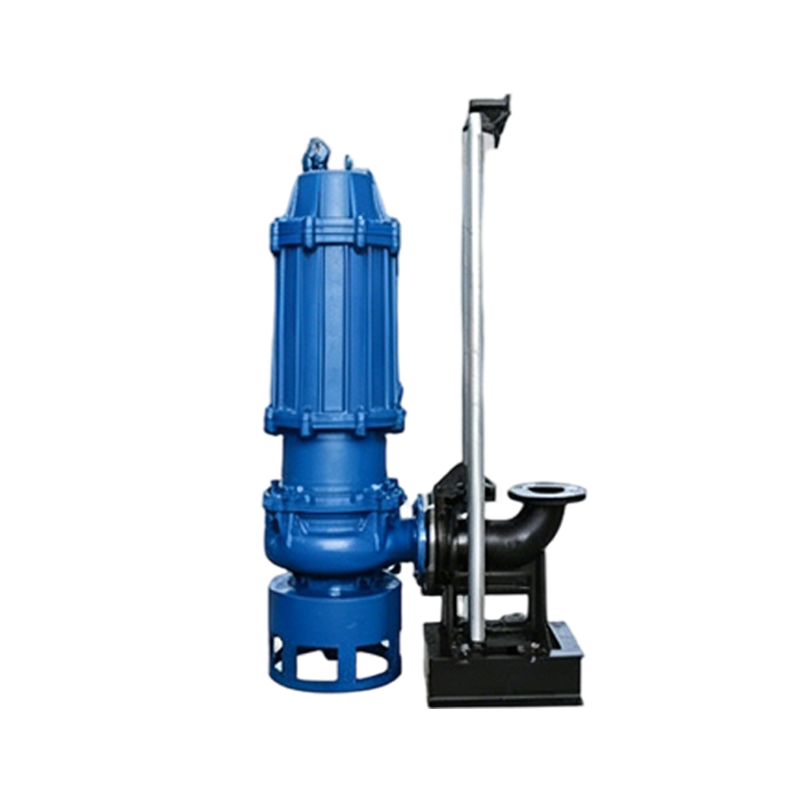
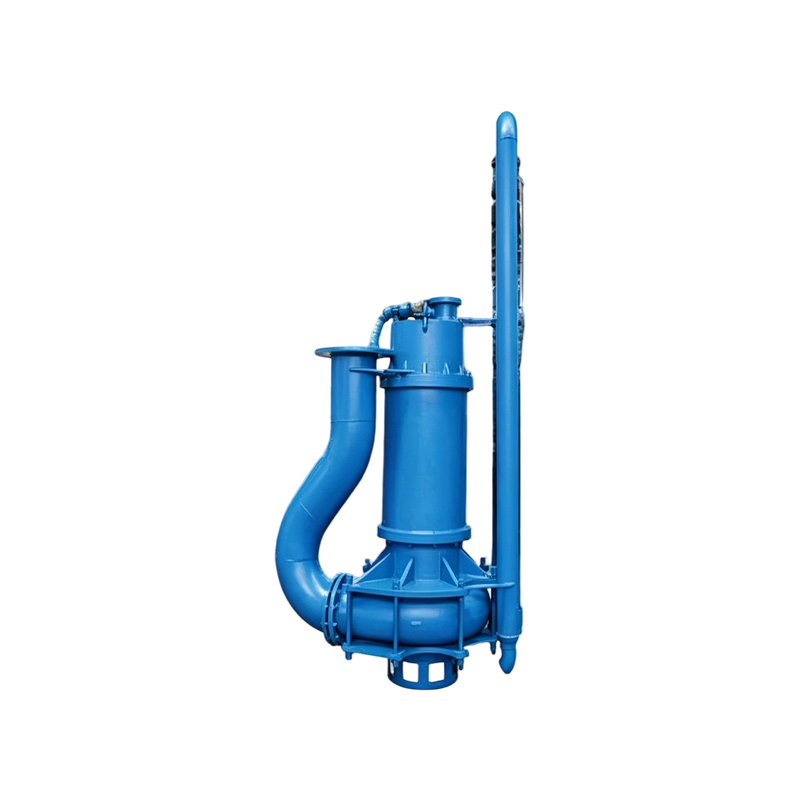
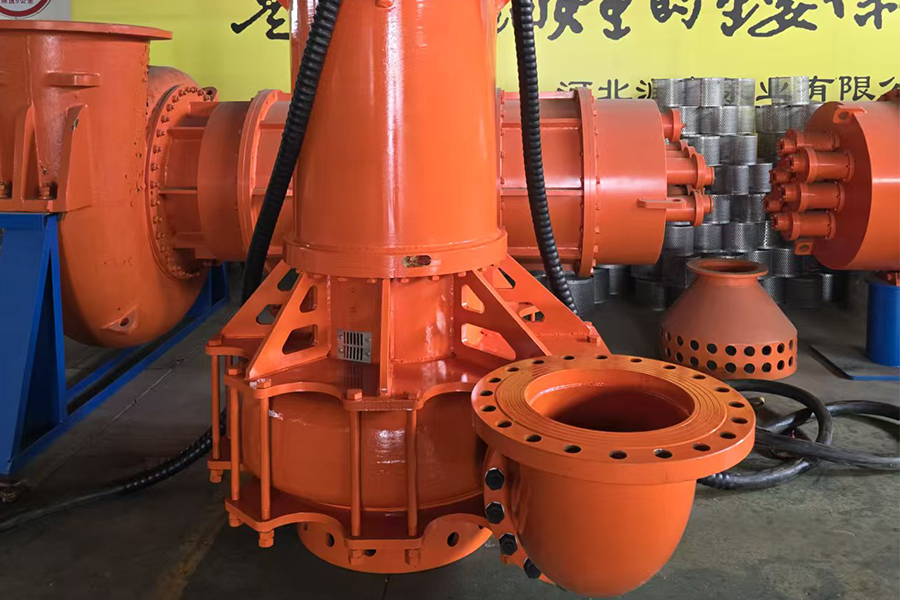
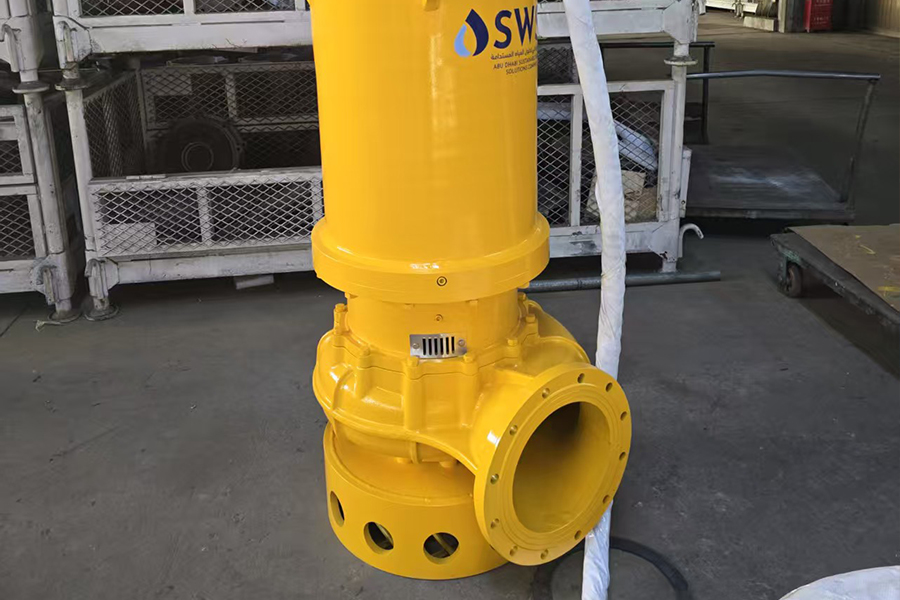
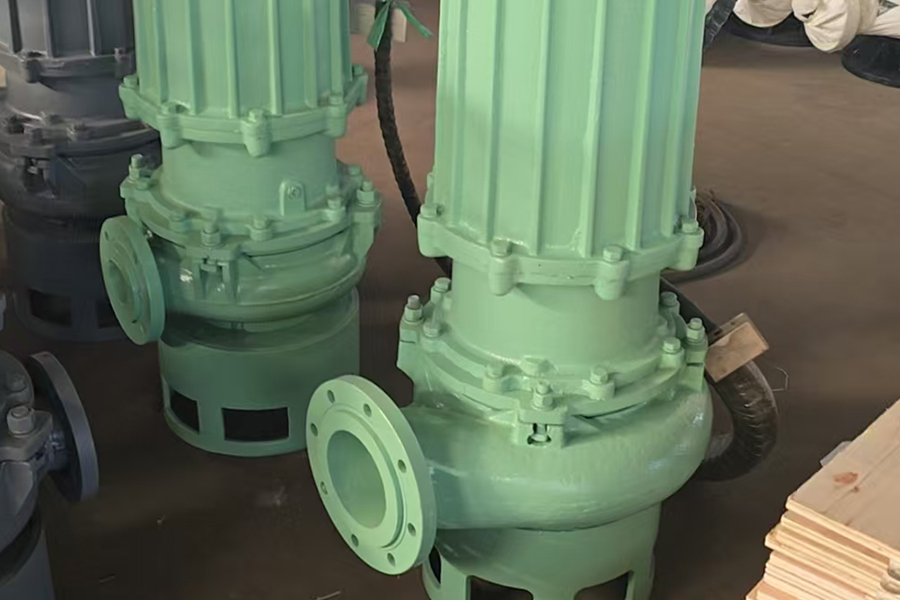
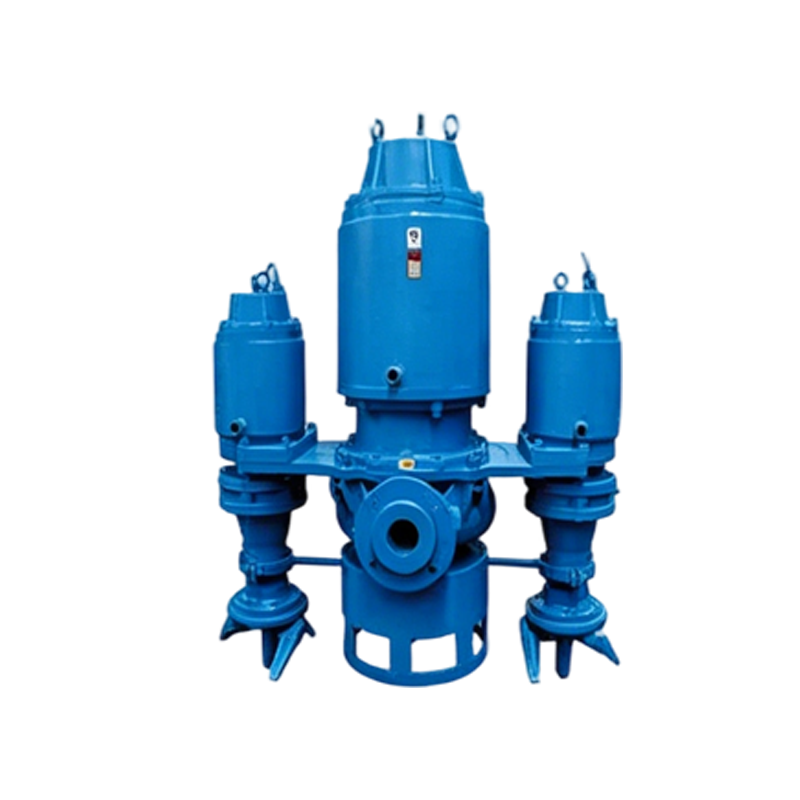
High-flow submersible slurry pumps are suitable for mine slurry discharge, tailings transport, large sedimentation basin cleaning, and construction desilting. When selecting a pump, you should not only look at the maximum flow rate marked on the product, but also simultaneously calculate the head, pipeline losses, and slurry properties.

The flow rate should be determined based on the volume of material to be transported and the allowable completion time. The head needs to comprehensively consider the vertical lift height, horizontal conveying distance, pipeline length, elbows, valves, and discharge endpoint pressure.

The pipe diameter is also not the larger the better. A pipe diameter that is too small will increase flow velocity, resistance, and wear; a pipe diameter that is too large may cause the slurry flow velocity to be too low, increasing the risk of particle settling and pipe clogging.

When requesting a quote, it is recommended to provide:

1. Normal flow rate and maximum flow rate;

2. Vertical lift height;

3. Horizontal conveying distance;

4. Pipeline length and diameter;

5. Slurry density and solid content;

6. Maximum particle size;

7. Submergence depth;

8. Continuous operating time.

Only by evaluating the pump, pipeline, and slurry as a complete system can the appropriate pump model, motor power, and discharge diameter be determined.

Company FAQs
FAQ
Here, we answer your frequently asked questions about customization, material selection, and purchasing industrial rubber and wear-resistant components.
Contact Us
What parameters are needed to request a submersible slurry pump quote?
Please provide flow rate, head, medium type, solids content, max particle size, slurry density, submersion depth, operating hours, mounting method, voltage/frequency, and operating environment.
Can submersible slurry pumps handle large solids or high-concentration slurries?
Yes, select models can be configured for large solids, high concentrations, or severe abrasives. Actual limits depend on the pump model, impeller design, wet-end materials, and operating conditions.
What are the differences between submersible slurry pump types?
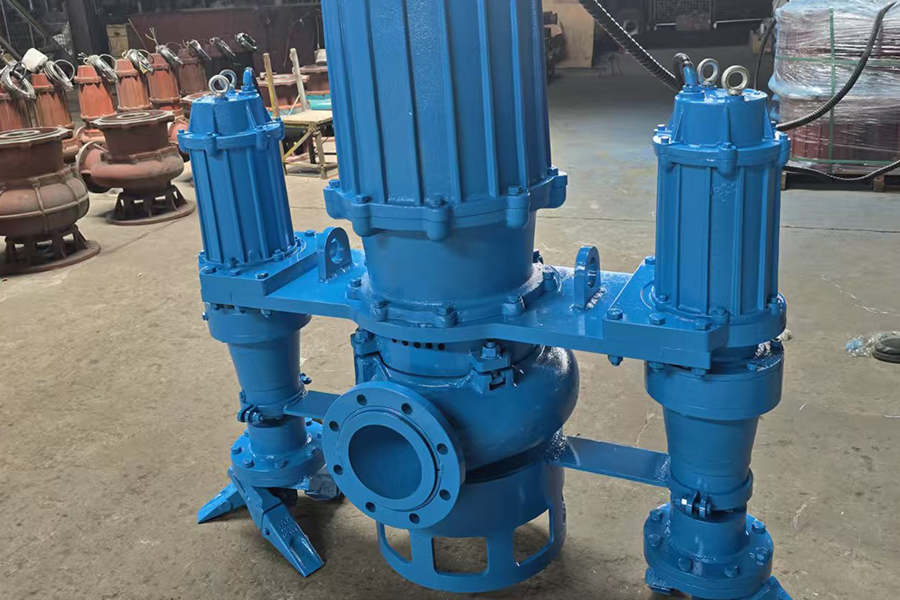
Each type targets specific conditions: Agitator: For sediments and high-density slurries; High-Flow: For large transfer volumes; Explosion-Proof: For flammable or explosive environments; High-Pressure Jetting: For flushing, loosening, or clearing deposits; Coupled: For specific drives and mounting setups; Forced Cooling: For continuous operation or high heat-dissipation demands.
How to select the right submersible slurry pump?
Selection depends on flow rate, head, slurry concentration, particle size, medium density, suction conditions, submersion depth, operating hours, and installation method.
What applications are slurry pump series suitable for?
Slurry pumps mainly transport solid-laden slurries, mud, mortar, tailings, and sediment. They are ideal for mining, mineral processing, dredging, gravel transport, and industrial slag disposal.

Ready to upgrade your
pumping system?

Global Inquiry Hotline

+86 19933037056

Official Email

info@cnminerals.com

Company Address

Block C, MCC Shengshi Plaza, No. 66 Xiangtai Road, Yuhua District, Shijiazhuang City, Hebei Province

Get Free Custom Solution

*
*
File Upload Upload your drawings for a real-time quote