
Select Country or Region

global

English

Blog Center

Blog Details

How to Select Wet End Parts and Reduce Wear for Metal Slurry Pumps?

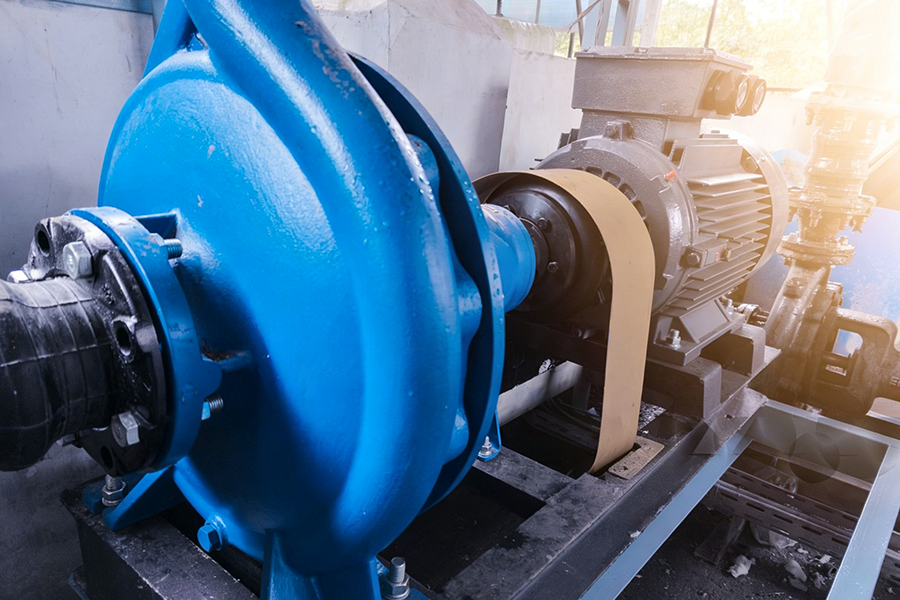
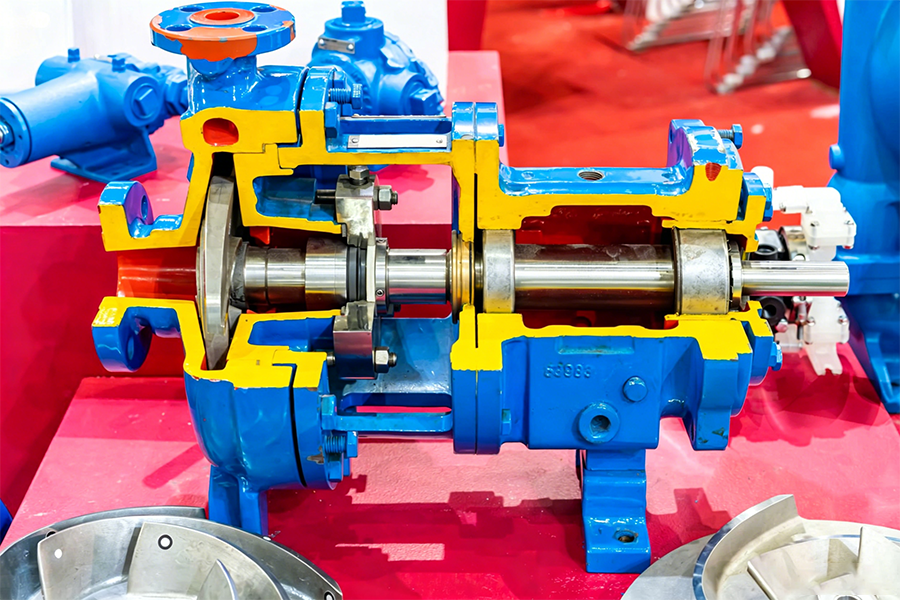
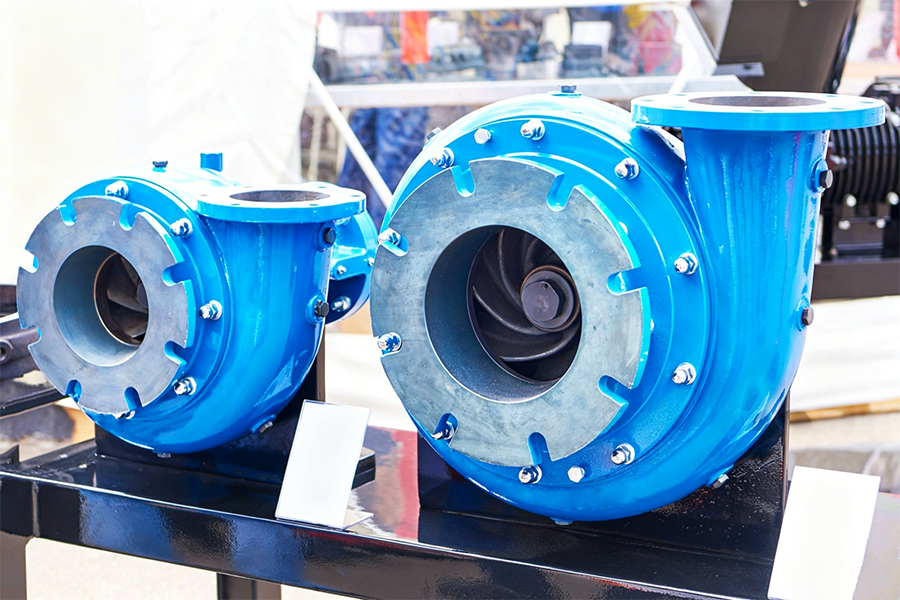
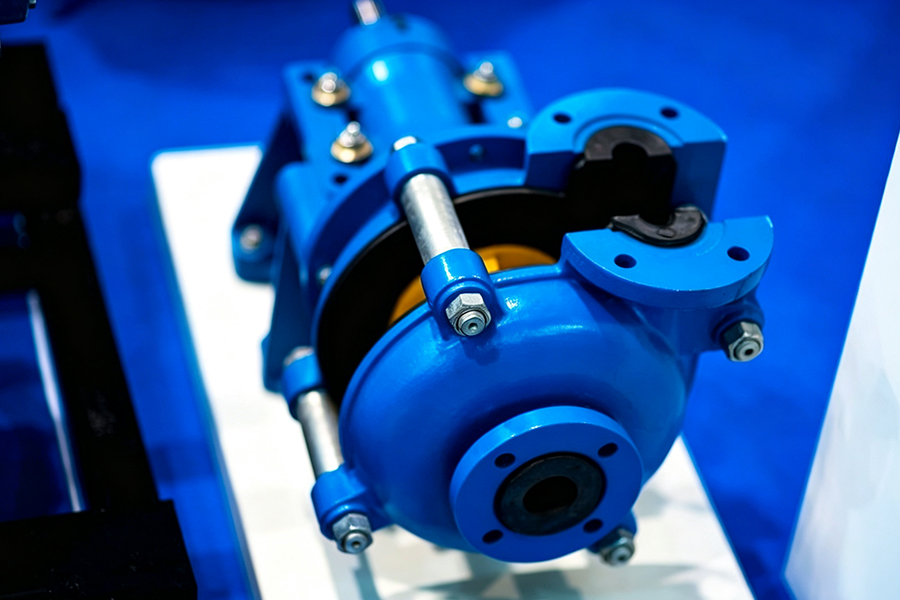
The impeller, casing, liner, throatbush, and other components in contact with the slurry in a metal slurry pump are typically the primary wear parts. Their service performance depends not only on the metal materials, but also on particle characteristics, pump speed, duty point, and pipeline conditions.

Before material selection, the following should be confirmed: primary particle composition; particle hardness; maximum particle size; whether particles are sharp;

slurry solid content and density; medium temperature; pH value and corrosiveness; pump operating speed; daily operating hours.

High-hardness materials are not necessarily suitable for all operating conditions. If the medium contains large particles and strong impact, the material's impact resistance must be considered alongside its wear resistance; if the medium is also corrosive, both wear and corrosion must be comprehensively evaluated.

To reduce unnecessary wear, the pump should be operated within a reasonable operating range as much as possible. Long-term low-flow operation, pipeline blockages, abnormal impeller clearances, slurry concentration variations, or poor suction conditions can all lead to localized wear, vibration, and reduced efficiency.

It is recommended to periodically record: flow rate and pressure; motor current; vibration and noise; replacement dates of wear parts; operating hours; photos of removed components; and changes in slurry conditions.

These records can be used to assess wear trends, optimize maintenance intervals, and plan spare parts inventory. When abnormal wear occurs, do not merely replace the parts; also check whether the pump's duty point, piping, and medium conditions have changed.

Company FAQs
FAQ
Here, we answer your frequently asked questions about customization, material selection, and purchasing industrial rubber and wear-resistant components.
Contact Us
Can metal slurry pumps be customized and supplied with spare parts?
Yes. We customize configurations by flow, head, installation, seal, drive, and material requirements, and supply replacement parts including impellers, casings, liners, shaft sleeves, seals, and bearings. Please provide pump model, part number, drawings, photos, or existing equipment data upon inquiry.
Can metal slurry pumps handle highly abrasive slurries?
Yes. Wet ends like impellers, casings, and liners can be configured with wear-resistant materials based on particle size, hardness, solids content, density, and operating hours, depending on working conditions.
How to select metal slurry pump specifications?
Pump selection requires flow rate, head, medium name, solids content, particle size, medium density, temperature, suction conditions, installation method, submerged depth, and operating hours.
How to choose between CSP, CAH/CHH, CAF, and CZQ?
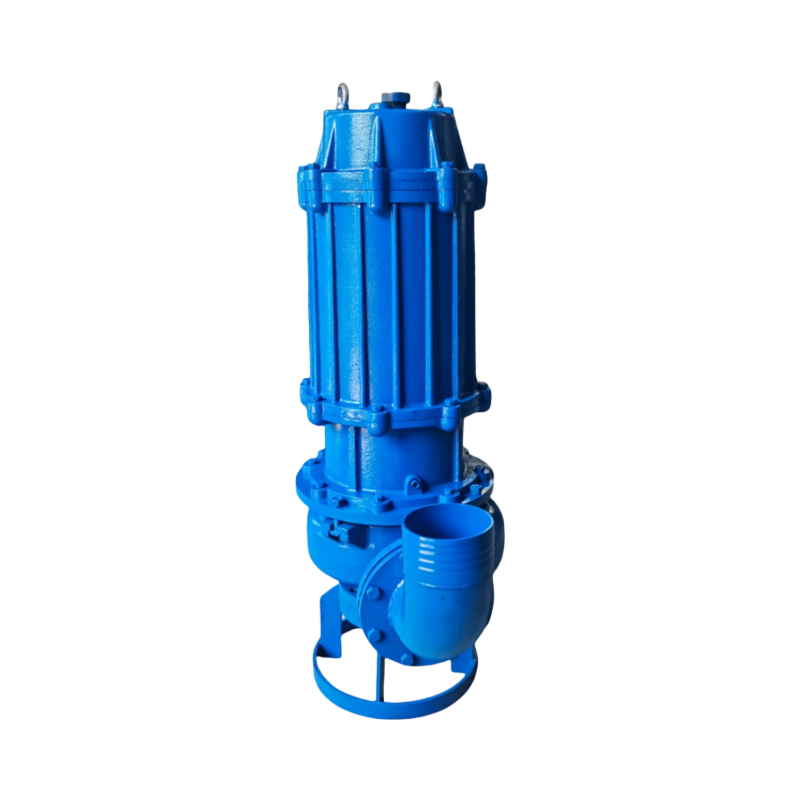
CSP pumps suit pit or sump installations; CAH/CHH pumps handle high-concentration, highly abrasive slurries; CAF froth pumps suit aerated flotation slurries; CZQ submersible pumps handle submerged operations. Models should be confirmed by operating parameters.
What applications are metal slurry pumps suited for?
They mainly transport ore pulp, tailings, mortar, sediment, and other solid-bearing slurries in mining, mineral processing, metallurgy, dredging, gravel transport, and industrial slag disposal.
Which products are in the metal slurry pump series?
The metal slurry pump series includes CSP vertical sump pumps, CAH/CHH heavy-duty slurry pumps, CAF froth pumps, and CZQ submersible slurry pumps, suited for various installations, media, and operating conditions.

Ready to upgrade your
pumping system?

Global Inquiry Hotline

+86 19933037056

Official Email

info@cnminerals.com

Company Address

Block C, MCC Shengshi Plaza, No. 66 Xiangtai Road, Yuhua District, Shijiazhuang City, Hebei Province

Get Free Custom Solution

*
*
File Upload Upload your drawings for a real-time quote