

Select Country or Region

global

English

Blog Center

Blog Details

How to Maintain a Ceramic Slurry Pump? What Should Be Noted When Replacing Wear Parts?

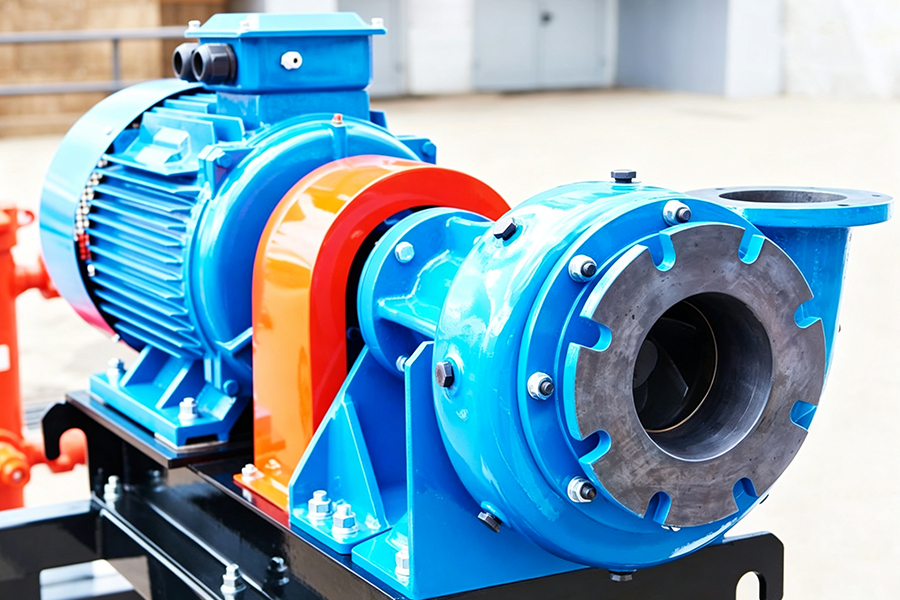
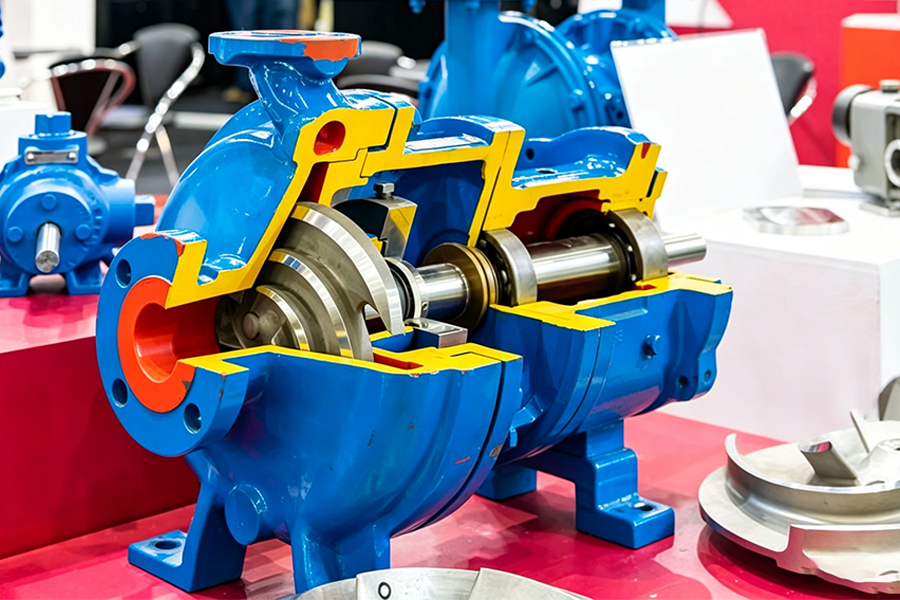
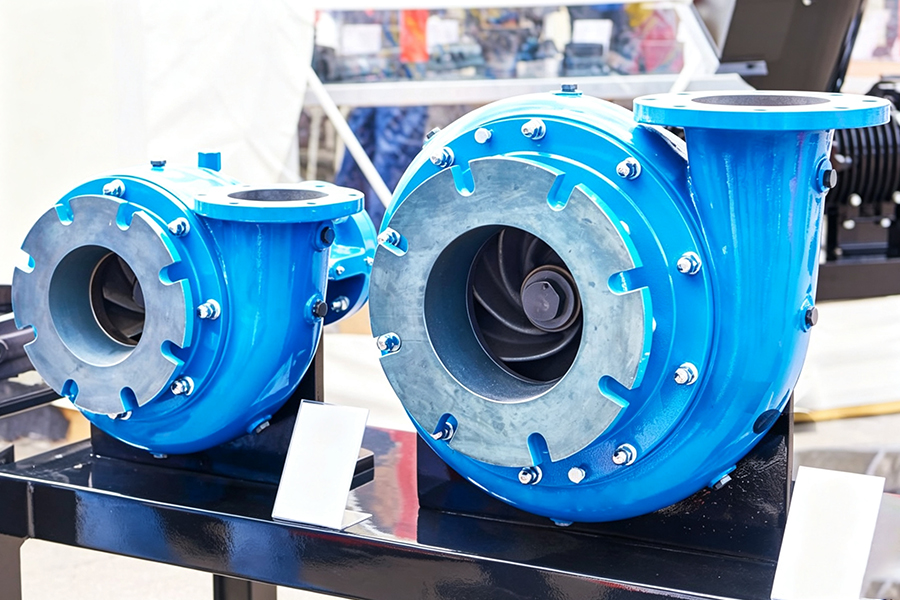
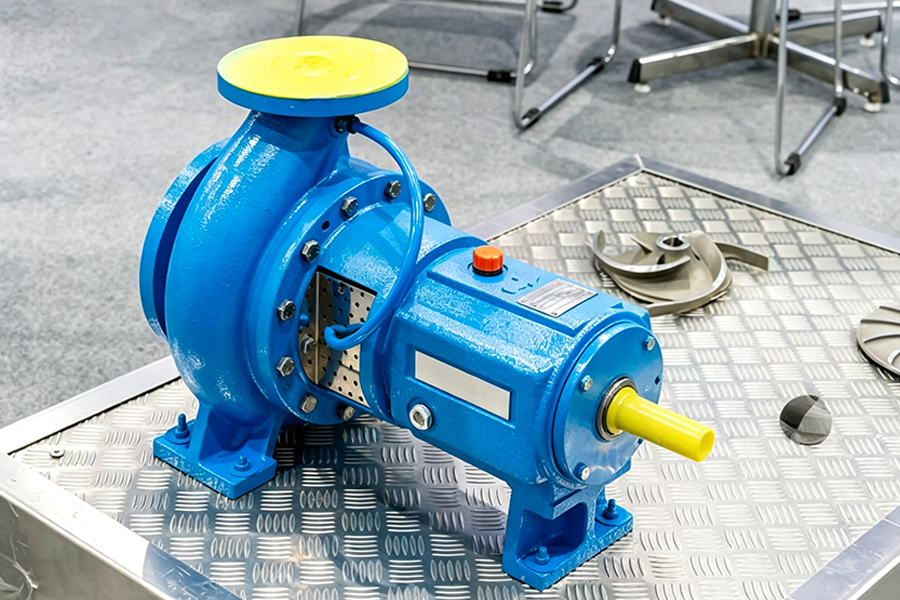
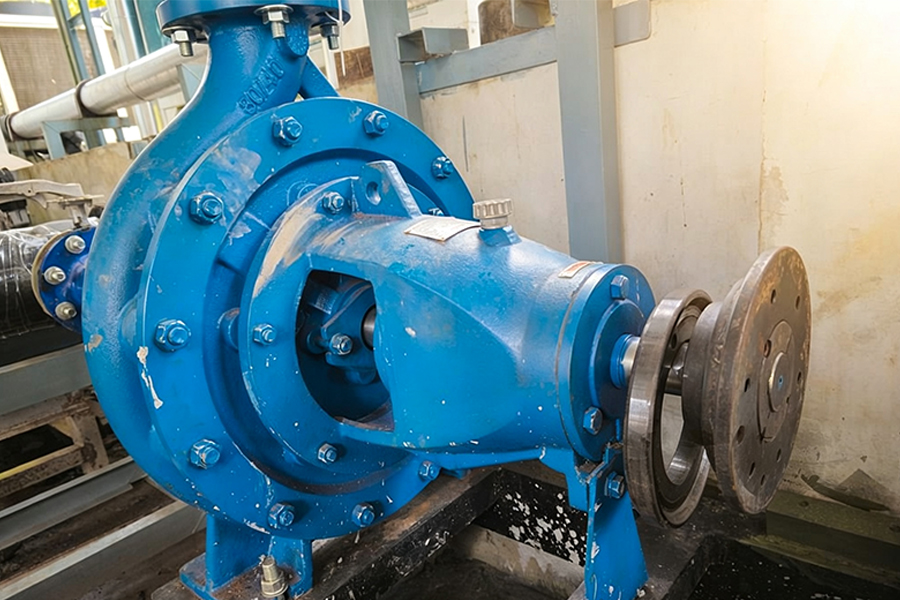
The key to ceramic slurry pump maintenance is the timely detection of abnormal changes in flow rate, pressure, vibration, noise, and current, combined with inspecting the impeller, pump casing, liners, seals, and other wet-end components based on operating conditions.

During daily operation, it is recommended to record: actual flow rate and pressure; motor current; vibration and noise; slurry concentration and particle changes; daily running hours; replacement dates of wear parts; and photos showing wear on removed parts.

These records help assess component wear trends and develop more reasonable maintenance and spare parts planning.

When servicing or replacing ceramic components, follow the specific product installation instructions to prevent component damage caused by lifting, impact, uneven tightening, or improper assembly. Verify part models, mounting dimensions, seals, and the condition of mating surfaces before replacement.

If ceramic components suffer abnormal damage, it is not advisable to simply replace the parts and immediately resume operation. You should also check whether large particles or foreign objects have entered the medium, whether the pump has deviated from its duty point, whether pipelines are clogged, whether abnormal vibration exists, and whether installation and fastening conditions are normal.

RUBBER Series
Related Products
Company FAQs
FAQ
Here, we answer your frequently asked questions about customization, material selection, and purchasing industrial rubber and wear-resistant components.
Contact Us
How to request a quote for ceramic slurry pumps from Senchuan?
Please provide the medium, flow rate, head, solids content, particle size, temperature, installation method, operating hours, quantity, and delivery destination. For existing equipment, providing the model, nameplate, drawings, or photos is also helpful.
How to perform routine maintenance on ceramic slurry pumps?
Regularly check the impeller, casing, seals, bearings, couplings, and fasteners while monitoring vibration, leakage, temperature rise, flow, and pressure. Wear-part replacement cycles depend on actual wear.
What are the common spare parts for ceramic slurry pumps?
Common spares include impellers, casings, liner plates, shaft sleeves, seal parts, and bearing assemblies. Specific items are confirmed by pump model, part number, or drawing.
Can ceramic slurry pumps be customized?
Yes. We can configure or customize pumps based on flow rate, head, medium properties, wet-end materials, seal types, drive methods, and installation conditions.
Are ceramic slurry pumps suitable for highly abrasive media?
Yes. Configurations and materials can be tailored for highly abrasive slurries. Materials for impellers, casings, and other wet ends are selected based on particle hardness, concentration, velocity, and operating time.
How to select the right ceramic slurry pump?
Selection requires parameters including flow rate, head, medium type, solids content, particle size, density, temperature, pH value, operating hours, and installation method.
What media can ceramic slurry pumps handle?
They can transport ceramic slip, abrasive slurries, ore pulp, mortar, and solid-laden industrial slurries. Specific suitability depends on medium concentration, particle size, density, and temperature.
What working conditions are ceramic slurry pumps suitable for?
Ceramic slurry pumps are primarily used to handle ceramic slip, hard-particle slurries, and other highly abrasive media across ceramics, mining, mineral processing, building materials, and industrial handling.

Ready to upgrade your
pumping system?

Global Inquiry Hotline

+86 19933037056

Official Email

info@cnminerals.com

Company Address

Block C, MCC Shengshi Plaza, No. 66 Xiangtai Road, Yuhua District, Shijiazhuang City, Hebei Province

Get Free Custom Solution

*
*
File Upload Upload your drawings for a real-time quote