


How to Extend the Service Life of Industrial Wear-Resistant Rubber Products?
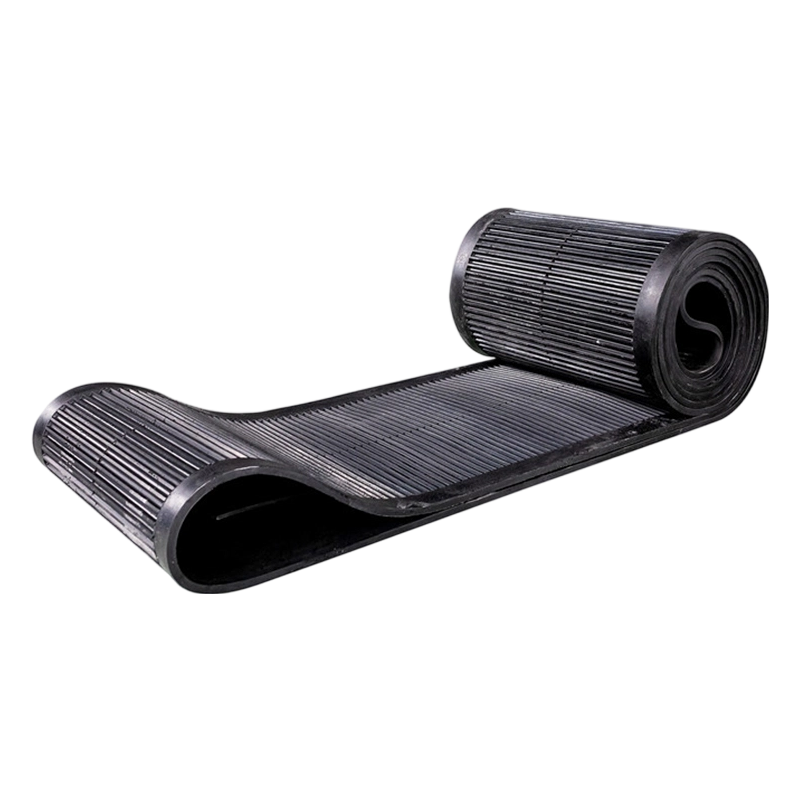
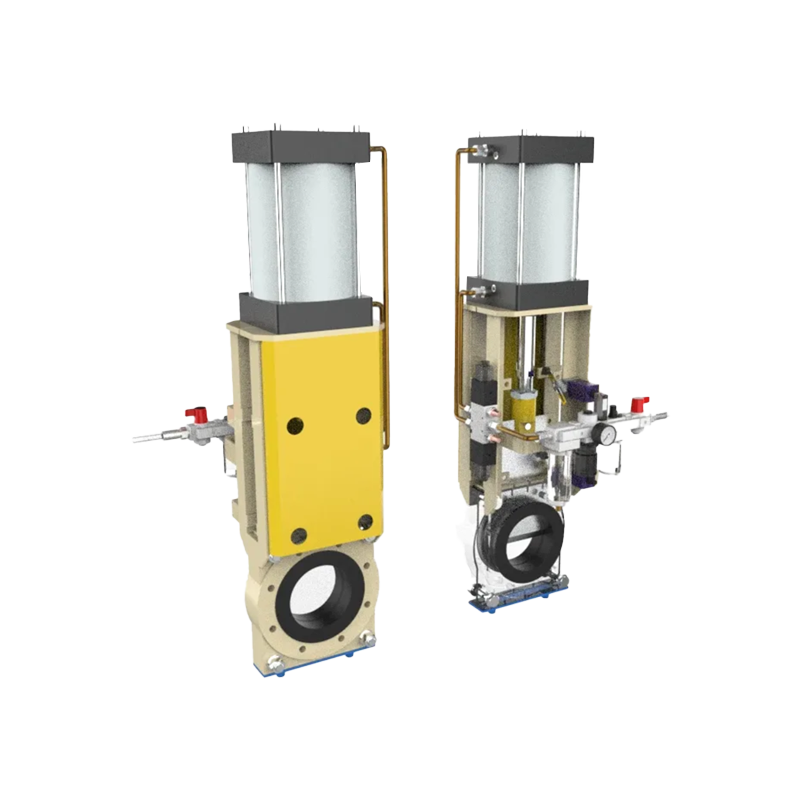
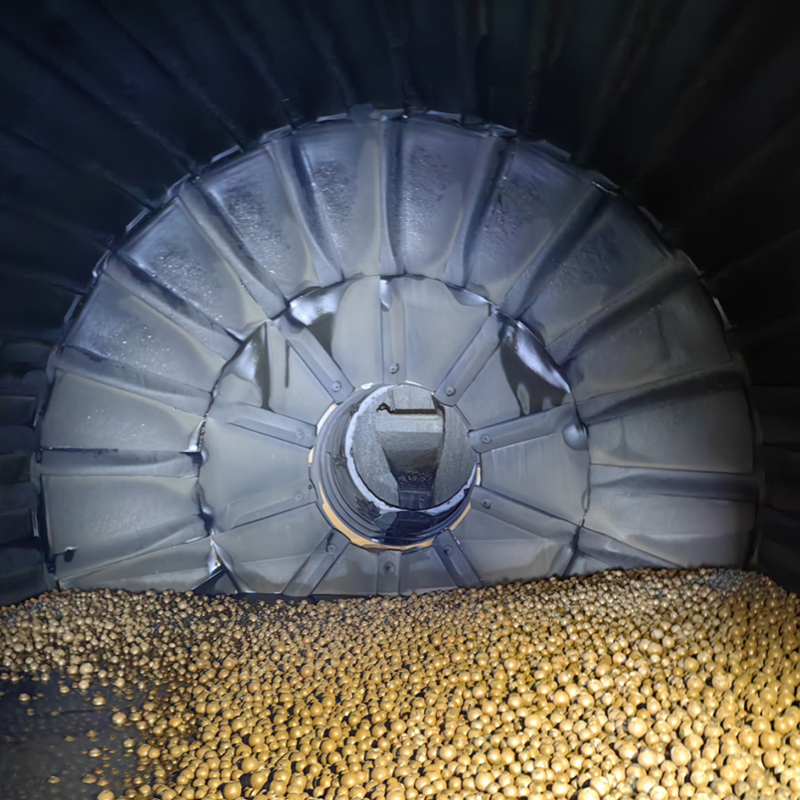
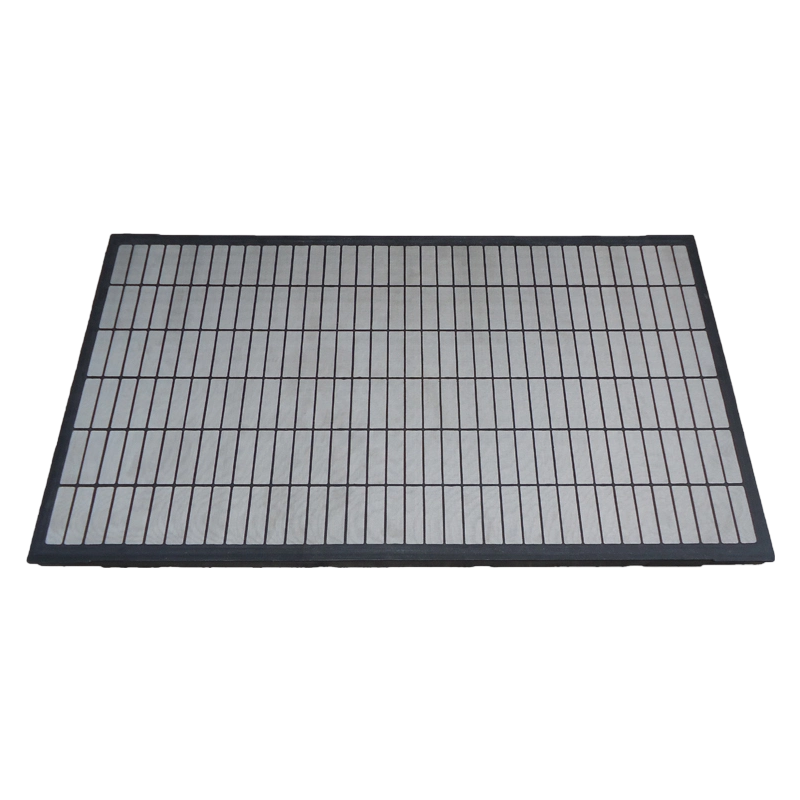
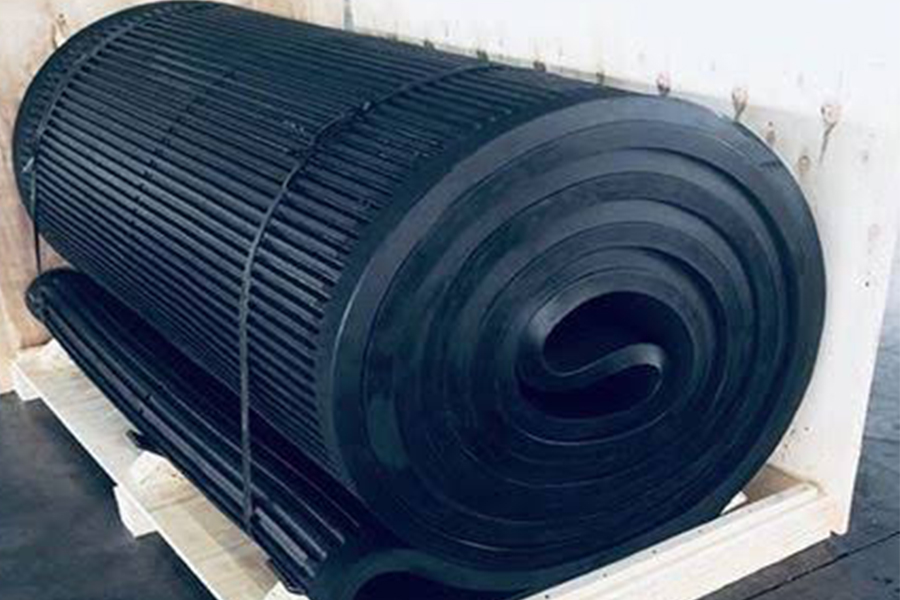
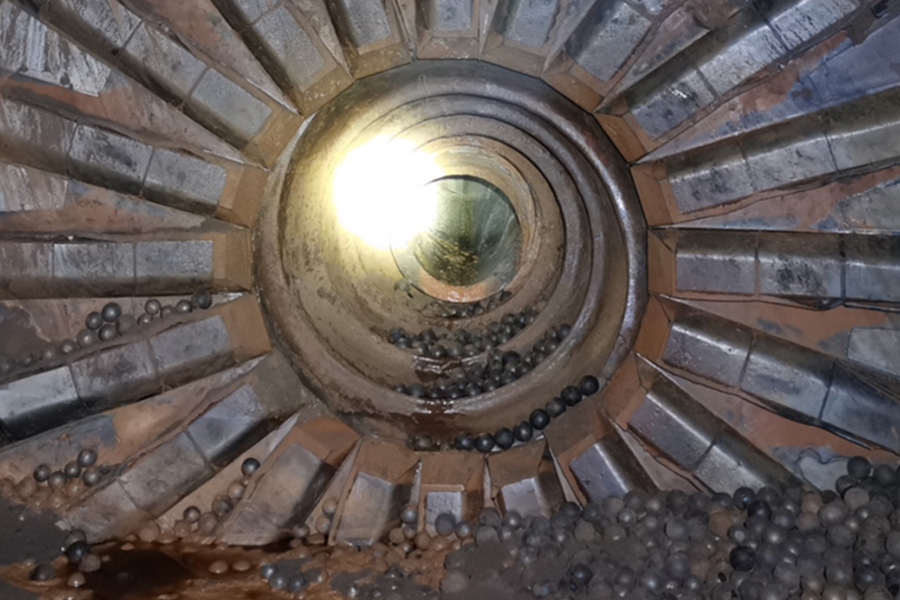
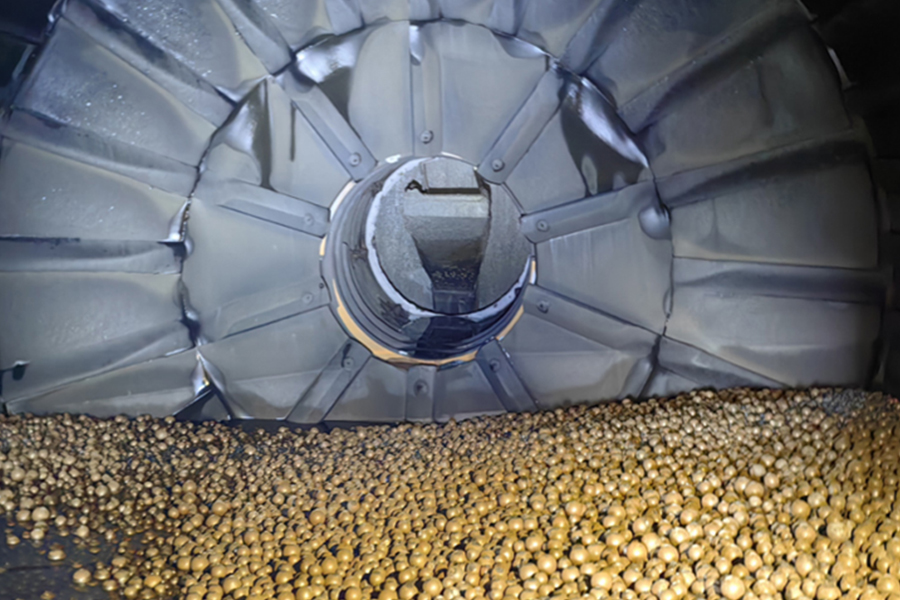
The service life of mill rubber liners, vibrating screen meshes, knife gate valve rubber parts, pinch valve hoses, and vacuum filter rubber filter belts depends not only on the formula and wear resistance of the rubber raw materials themselves, but also deeply on the actual conveying medium, equipment alignment precision, installation specifications, and on-site operating conditions.
To extend the service life of industrial rubber wear-resistant products, it is necessary to focus on implementing the following operation, maintenance, and installation procedures:
1. Accurately Match Operating Media with Rubber Materials
Material selection is the primary defense line determining service life. For different corrosive and abrasive environments, rubber grades must be strictly distinguished:
-
Acid-base and strongly corrosive conditions: Chemically resistant ethylene propylene diene monomer (EPDM) or fluoroelastomer should be selected to prevent strong acids and alkalis from causing the collapse of the rubber cross-linking network and surface cracking.
-
High-impact and coarse-grained materials: Natural wear-resistant rubber (NR) should be selected, utilizing its high resilience and tear resistance to absorb the impact kinetic energy of large particles.
-
Oil-containing media or high-temperature conditions: Nitrile rubber (NBR) or a dedicated high-temperature-resistant formula must be matched to strictly prevent medium infiltration from causing rubber swelling, softening, and detachment.
2. Standardize On-site Installation and Pre-tightening Processes
The vast majority of abnormal equipment failures stem from improper assembly. Common installation hazards and specification requirements include:
-
Mill liners: Bolts must be symmetrically and evenly tightened using a torque wrench. Uneven tightening will lead to local looseness and slurry leakage during operation, thereby causing liner backing erosion or even fracture.
-
Vibrating screen meshes: Strictly check the tension of tension bolts and clamping plates. Too loose fixation will cause severe friction between the screen mesh and support beams, resulting in fatigue damage, while excessive tension is prone to cause fatigue tearing of the screen mesh.
-
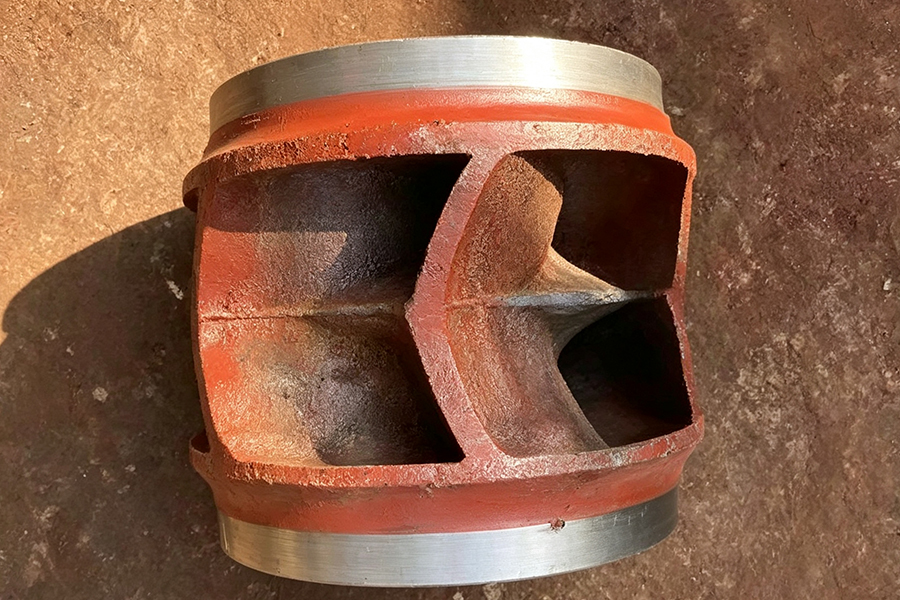
Knife gate valve rubber parts and pinch valve hoses: Forced port-to-port installation under stress is strictly prohibited; pinch valve actuators must be set with mechanical limits and closing strokes to avoid crease tearing caused by excessive internal squeezing of the hose.
-
Vacuum filter belts: Strictly calibrate the deviation correction sensor and roller parallelism. Long-term belt tracking deviation will not only lead to rapid edge wear, but also cause filter cloth tearing and uneven stress on the drive shaft.
3. Establish a Root-Cause Troubleshooting Mechanism for "Repeated Failures"
If premature wear and damage of accessories repeatedly occur at the same location of the equipment, avoid simply replacing new parts frequently, and instead investigate deep-seated causes from a system level:
-
Mechanical fit: Check the equipment rotating shaft alignment, foundation settlement, and frame deformation.
-
Material flow state: Check whether material bias, local material accumulation, or abnormal impact angles occur at the discharge port.
-
Process fluctuations: Investigate whether the medium solid content, feed particle size distribution (oversized lumps), operating temperature, and pipeline pressure exceed the original design specifications.
4. Standardize Spare Parts Reserve and Full-Lifecycle Management
For 24-hour continuous production lines and overseas construction projects (constrained by international logistics and customs cycles), it is recommended to combine equipment operating hours and historical consumption data to establish a safety stock of key wear-resistant parts in advance:
-
Regularly stocked key modules: Focus on reserving vulnerable mill feed-end liners, specific aperture screen modules, replacement valve seats, pinch valve inner lining hoses, and specialized sealing rings.
-
Emergency repair preparation: On-site regular stocking of compatibility-certified specialized rubber repair agents, cold vulcanizing glue, and conveyor belt repair strips to ensure rapid cold patching during sudden localized spot wear or scratches, avoiding unplanned shutdowns and production stoppages.