

What Are the Differences Between Packing, Mechanical Seals, and Oil Seals?
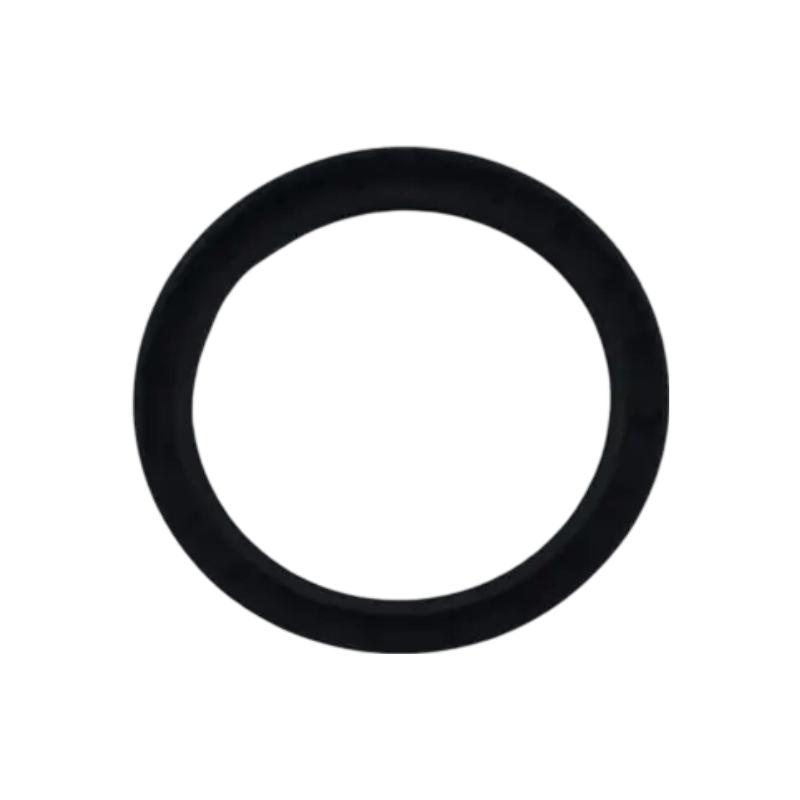
Packing, mechanical seals, standard seals, and oil seals are all related to sealing, but they differ in installation location, operating principle, and application, and cannot be used interchangeably.
Packing
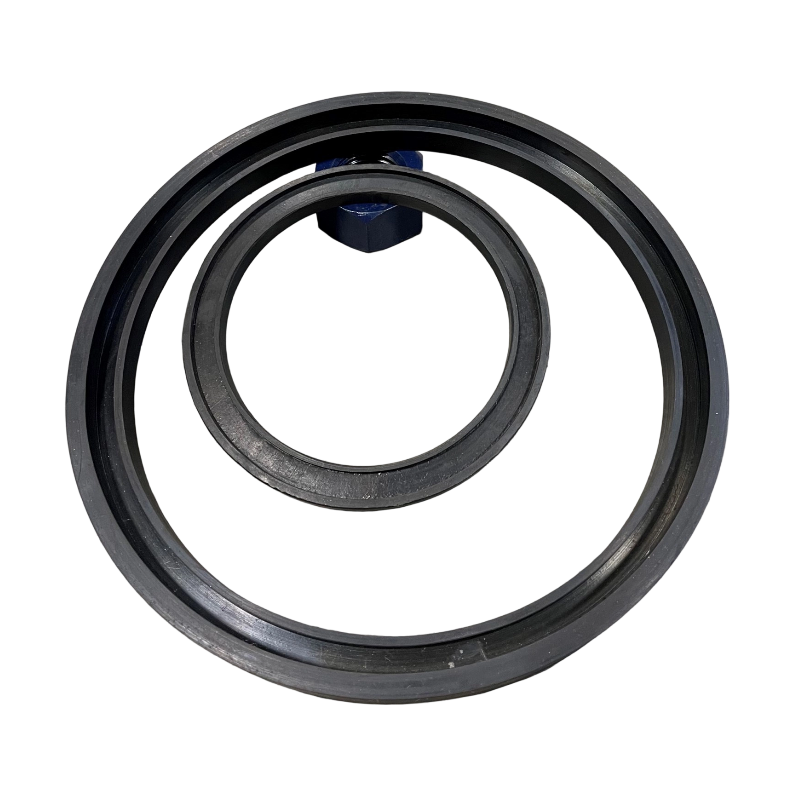
Packing is installed inside the stuffing box and brought into contact with the shaft sleeve or pump shaft via a gland follower to reduce axial leakage of the medium. Some packing seals require a controlled amount of leakage and seal water to assist with lubrication and heat dissipation.
Mechanical Seals
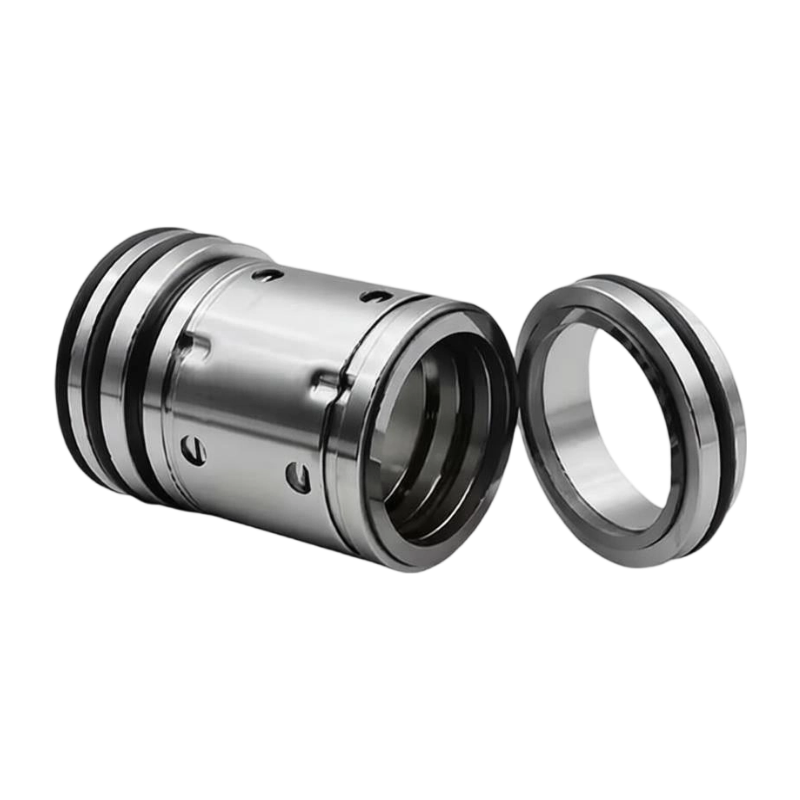
Mechanical seals typically achieve sealing through components such as rotating rings, stationary rings, springs, and secondary seals. Their specific configuration must be determined based on pressure, rotational speed, temperature, medium particulates, and corrosiveness. Particulate-laden slurries may have special requirements for the mechanical seal structure and flush conditions.
Oil Seals
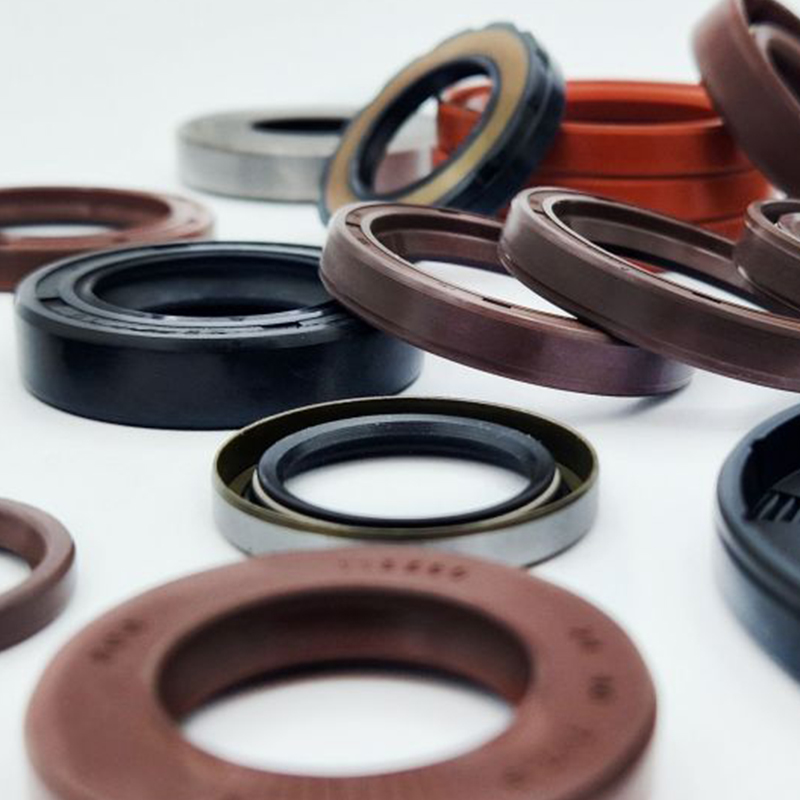
Oil seals are usually installed on rotating shafts to prevent lubricant leakage and to keep dust, moisture, or other contaminants from entering bearings and lubrication areas.
Oil seals are generally not used as primary shaft seals to directly seal high-concentration slurries. Their lip direction, shaft diameter, rotational speed, lubrication condition, and mounting position must be properly matched.
When purchasing, you should provide the specific product name, installation location, operating medium, temperature, pressure, shaft diameter, rotational speed, and original part/drawing number, rather than simply stating "a set of seals is needed."