
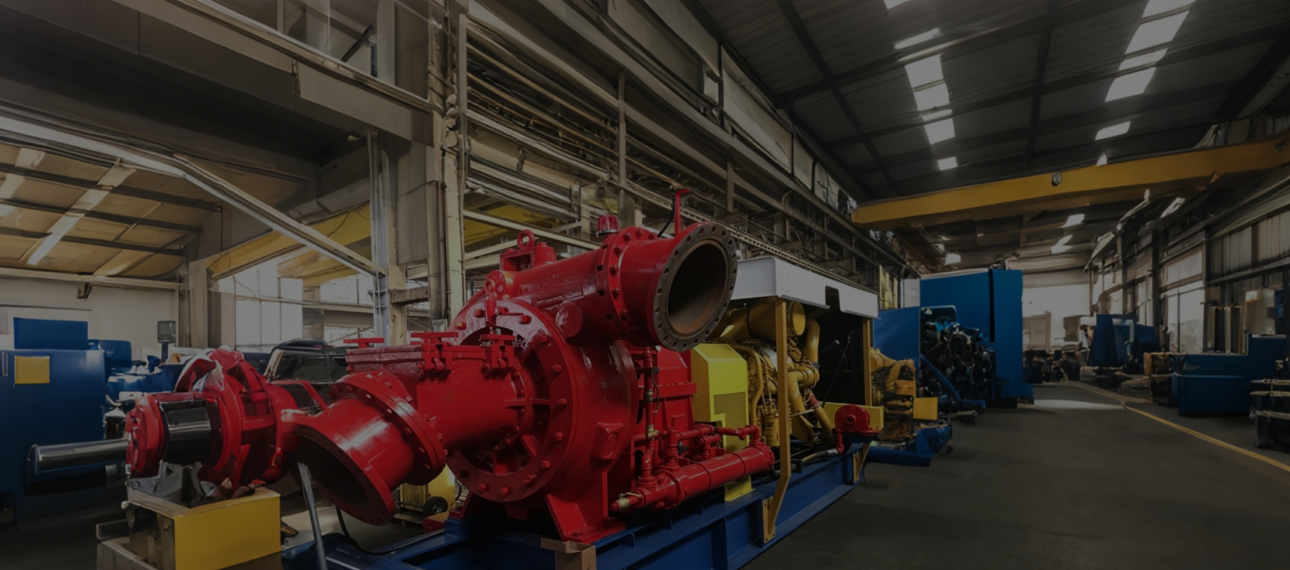




What Are the Features of CAHR Rubber Centrifugal Pumps? How to Select the Right Model?
CAHR rubber centrifugal pumps generate centrifugal force through impeller rotation to transport mineral slurries, tailings, fine particle slurries, or other industrial slurries to target destinations.
Rubber wet ends provide protection within a certain range of abrasive and corrosive conditions, allowing for inspection and replacement after wear. Their actual suitability must be evaluated based on particle characteristics, temperature, medium composition, and operating speed.
When selecting a CAHR rubber centrifugal pump, key factors to confirm include: normal and maximum flow rates; required head; medium density and solids concentration; maximum particle size; particle shape and hardness; medium temperature; pH value and corrosiveness; pipeline length and diameter; voltage, frequency, and motor requirements; and daily operating hours.
The actual operating point of the pump is determined jointly by the pump performance curve and the piping system. Operating outside the optimal working range for prolonged periods may lead to insufficient flow, vibration, increased energy consumption, or uneven wear on wet ends.
Rubber centrifugal pumps are not necessarily suitable for all large-particle, high-temperature, or high-impact media. If the medium contains large, sharp particles or if the temperature exceeds the allowable range of the rubber material, metal wet ends or alternative pump types should be re-evaluated.