


How to Match Flow Rate, Head, and Discharge Pipeline for CG/CGH Gravel Pumps?
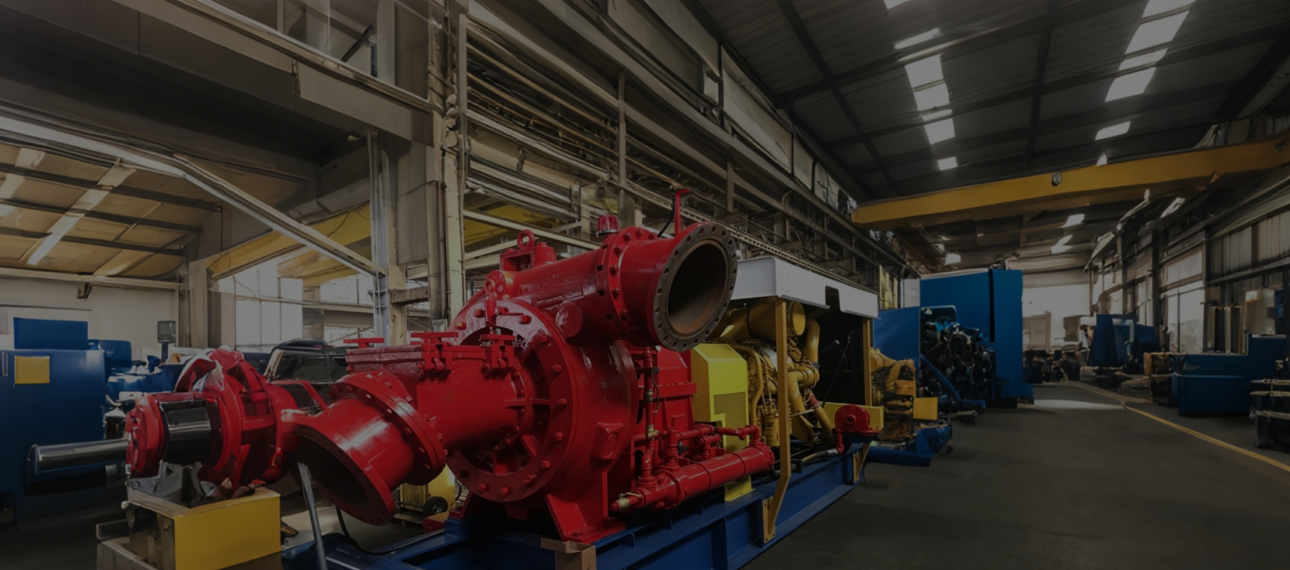
The actual delivery performance of the CG/CGH heavy-duty gravel pump depends not only on the pump itself, but also on the matching relationship between flow rate, head, pipe diameter, and gravel media.
The flow rate should be determined based on the volume of material to be transported for the project, the size of the sump or operating area, and the allowable completion time. It is recommended to provide both normal and peak flow rates to prevent the pump from operating outside its optimal working range for extended periods.
The total dynamic head typically includes: vertical lift height; friction losses caused by horizontal piping; localized losses from elbows, valves, and reducers; pressure requirements at the discharge point; and the effects of slurry density and solid content.
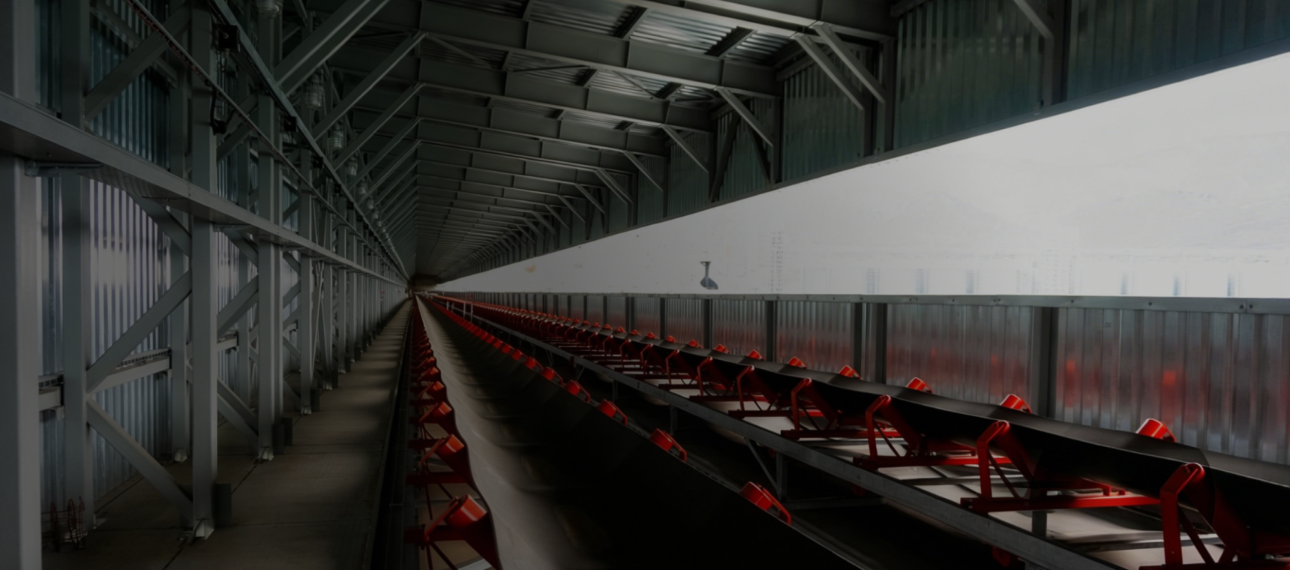
A larger discharge pipe diameter is not always better. A pipe diameter that is too small increases flow velocity and pipeline resistance, accelerating wear on pipe walls and elbows; conversely, an excessively large pipe diameter may result in insufficient velocity, causing sand and gravel to settle in the pipeline and increasing the risk of pipe blockage.
The pump, pipeline, and media should be evaluated as an integrated system. Sizing based solely on existing pipe diameters or pump discharge dimensions may result in insufficient flow, premature wear, or pipeline sedimentation.