



News Center
Video Center

Download Center

FAQs

English
Latest News
Explore our latest updates, product launches, and industry-leading insights to stay ahead in the market.
Company News
1789714298000
What After-Sales Support Is Available After Industrial Pump Delivery?
The stable operation of industrial pumps after delivery depends not only on the equipment itself, but also on installation, operating parameters, medium variations, and routine maintenance. Senchuan Mining & Metallurgy can provide customers with corresponding technical support and spare parts services based on project conditions.
During the installation phase, customers can refer to product documentation to confirm installation requirements for the pump casing, pipelines, drive equipment, couplings, seals, and electrical connections. For vertical submerged pumps and submersible pumps, special attention should also be paid to installation depth, lifting methods, cable routing, and maintenance space.
During the operational phase, attention should be focused on flow rate, head, vibration, noise, temperature rise, leakage, motor current, and the wear condition of wet-end parts. If medium concentration, particle size, temperature, or piping conditions change, the operating status of the equipment should also be re-evaluated.
During the maintenance phase, components such as impellers, pump casings, front and rear liners, shaft sleeves, seals, bearings, oil seals, and couplings should be inspected regularly. For forced-agitation, high-pressure flushing, explosion-proof, and forced-cooling models, the agitation mechanism, flushing piping, explosion-proof components, and cooling system should also be checked.
If issues arise such as reduced flow, poor slurry discharge, abnormal vibration, seal leakage, motor overheating, or premature wear of wet-end parts, customers can provide the equipment model, operating parameters, fault symptoms, and on-site photos or videos for preliminary analysis by the technical team.
For equipment in long-term operation, it is recommended to establish a list of common spare parts based on historical wear and replacement records. Accessories such as impellers, pump casings, liners, shaft sleeves, seals, bearings, and oil seals can be evaluated in advance according to equipment models and operating conditions.
Specific after-sales response methods, on-site services, spare parts supply cycles, and service scopes must be confirmed based on project location, contract terms, and customer requirements.
Read More
1789714269000
How Does Morikawa Mining & Metallurgy Support Overseas Industrial Pump Customers?
For overseas customers, Morikawa Mining & Metallurgy can collaborate on industrial pump selection, product configuration, technical communication, spare parts supply, and delivery support.
In the early stages of a project, customers can submit information such as application industry, conveying medium, flow rate, head, particle size, solid content, and installation method via email, website inquiry forms, or other online methods. The company conducts preliminary analysis based on this information and assists in confirming the appropriate product series and configuration direction.
For complete equipment projects, technical discussions can cover pump models, wet end materials, sealing methods, drive configurations, installation forms, and supporting equipment. For replacement parts projects, matching assessments can be carried out based on original equipment models, part numbers, drawings, dimensions, and photos.
In terms of export delivery, packaging and transportation must be arranged according to product dimensions, weight, quantity, shipping method, and destination. Product instructions, technical parameters, assembly information, maintenance data, and other export documents should be confirmed according to the customer's project and the actual available information.
Different countries and regions may have variations in voltage, frequency, packaging, labeling, transportation, and project standards. Therefore, overseas customers should provide the destination country, project standards, and on-site electrical conditions as much as possible during the inquiry phase.
For post-delivery technical support, the company can provide installation guidance, operation recommendations, spare parts identification, and maintenance communication according to project conditions. Remote support can be conducted via email, video conferences, or online messaging, while the scope of on-site services needs to be confirmed based on the project location and contract conditions.
Read More
1789714247000
How to Source Replacement Pump Parts Based on Old Equipment?
When sourcing replacement parts based on existing equipment, do not rely solely on the product name or general appearance. Components such as impellers, pump casings, front and back liners, shaft sleeves, and seals must match the original equipment in terms of dimensions, structure, material, and assembly fit.
First, identify the brand, pump type, model, and nameplate details of the original equipment. If available, also provide the original part numbers. While part numbers help preliminarily identify the component category, dimensions and structural features must still be verified.
Second, provide photos of the used parts, key dimensions, installation locations, and wear conditions. For critical wet-end parts such as impellers, pump casings, and liners, it is advisable to supply drawings, multi-angle photos, or physical samples to verify flow channels, bolt patterns, mating surfaces, and assembly fit.
Third, specify actual operating conditions, including the medium pumped, solid content, particle size, temperature, corrosiveness, and operating hours. Even with identical external dimensions, varying media and operating conditions may require different materials or structural configurations.
For severe wear applications, pay close attention to material requirements, such as metals, high-chrome wear-resistant alloys, rubber linings, or other suitable alternatives. Do not select materials based solely on the original part name; evaluate them based on real-world wear patterns.
Before full production, confirm key dimensions, fit tolerances, materials, quantities, packaging, and delivery terms. Never promise complete interchangeability with original equipment without technical verification.
SENCHUAN MINING evaluates, identifies, matches, and customizes pump replacement parts based on original equipment models, part numbers, engineering drawings, dimensions, photos, or physical samples.
Read More
1789714222000
How Do Industrial Pump Projects Usually Collaborate with Senchuan Mining and Metallurgy?
Industrial pump projects usually begin with operating condition communication rather than starting directly with model quotation. Clients can first provide basic information such as the application industry, conveyed medium, required flow rate, head, particle size, solid content, installation method, and delivery location.
The first step is requirement communication. Senchuan Mining and Metallurgy needs to understand the client's actual application scenario, including mining, mineral processing, tailings, dredging, gravel, chemical, or other industrial conveying conditions, while confirming whether the client is purchasing a complete machine, a pump package system, or replacement parts.
The second step is technical selection. Based on the medium parameters and system conditions submitted by the client, an analysis is conducted on the pump type, wet-end component materials, sealing method, drive equipment, and installation configuration. If it is an old equipment replacement project, it is also necessary to verify the original pump model, part numbers, drawings, dimensions, and photos.
The third step is scheme confirmation. The technical proposal usually needs to specify the product model, main configurations, materials, drive methods, supporting components, quantities, and delivery requirements. For OEM/ODM projects, it is also necessary to confirm brand logos, nameplates, packaging, and product documentation.
The fourth step is quotation and order confirmation. Depending on project needs, the quotation content may include equipment prices, spare parts prices, packaging methods, delivery lead times, shipping arrangements, and related technical documents. Specific commercial terms shall be subject to the official quotation and order confirmation.
The fifth step is production, inspection, and delivery. Upon completion of the products, inspections on appearance, dimensions, assembly relationships, materials, or other applicable items are conducted according to the order and technical requirements, followed by packaging and shipping arrangements as requested by the client.
The sixth step is after-sales support. After delivery, installation guidance, operational advice, spare parts identification, troubleshooting, and maintenance recommendations can be provided according to project conditions. Specific support methods and service scopes need to be confirmed in conjunction with the project location and contract terms.
Read More
1789714197000
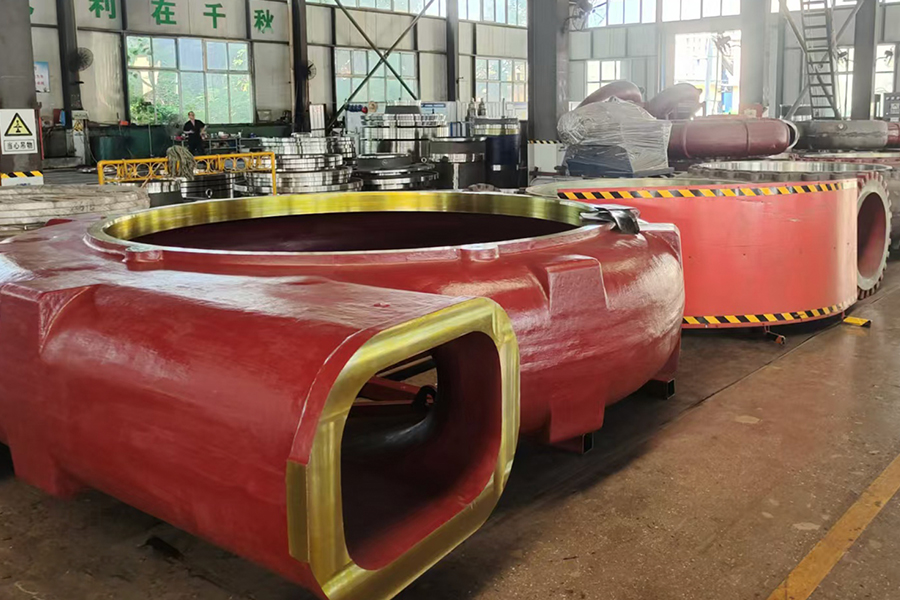
Why Slurry Transport Requires Selection Based on Operating Conditions?
Slurry transport is different from clean water transport. Slurries such as mineral pulp, tailings, gravel, mud, and industrial slurries typically contain a certain proportion of solid particles. Their concentration, density, particle size, particle hardness, temperature, and corrosiveness all affect the operating state of industrial pumps.
If selection is based solely on pump model names, pipe diameters, or motor power, issues such as insufficient flow, inadequate head, premature wear of wet ends, seal leakage, or pipeline sedimentation may occur. Therefore, industrial pump selection should be based on actual operating conditions and the entire pumping system.
First, the required flow rate and head must be confirmed. The flow rate determines the volume of medium to be transported per unit of time, while the head is related to discharge height, transport distance, pipe diameter, number of elbows, and pipeline resistance. Long-distance transport also requires evaluating the slurry velocity to prevent solid particles from settling within the pipeline.
Second, the medium characteristics must be verified, including the medium name, solid content, particle size, particle hardness, density, temperature, pH value, and corrosiveness. These parameters influence the pump type selection, impeller structure, pump casing material, liner material, and sealing method.
The installation method also affects product selection. Stationary pump sets, vertical cantilever pumps, submersible pumps, and dredging pumps have different installation conditions, requiring separate evaluations of liquid levels, submergence depth, suction conditions, maintenance space, and drive methods.
For operating conditions with significant sedimentation, forced agitation or high-pressure flushing configurations may be required; for hazardous areas, explosion-proof requirements need to be confirmed; for long-term operation or scenarios with limited heat dissipation, forced cooling configurations also need to be evaluated.
Comprehensive operating condition data helps suppliers provide more accurate selection and quotations, while also reducing wear, clogging, and maintenance problems during subsequent equipment operation.
Read More
1789714173000
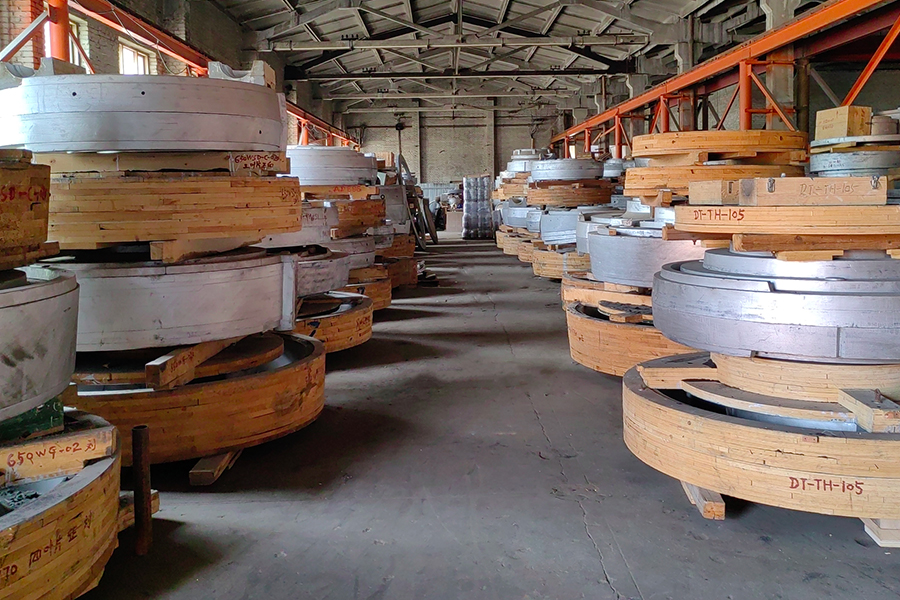
From Complete Equipment to Wear-Resistant Parts, What Products Does Senchuan Mining & Metallurgy Offer?
Read More
1789714153000
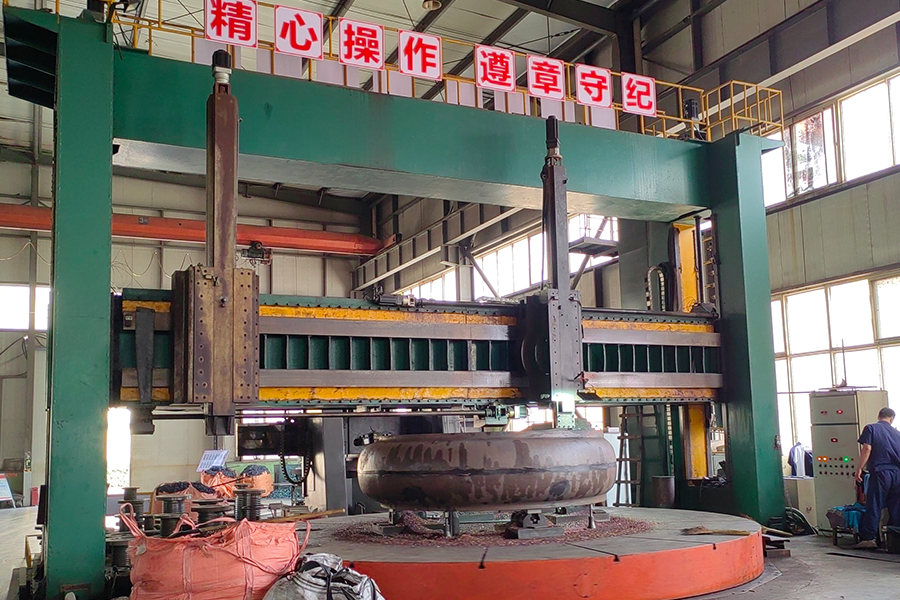
What Kind of Industrial Pump Supplier Is Hebei Senchuan Mining and Metallurgical Equipment Co., Ltd.?
Hebei Senchuan Mining and Metallurgical Equipment Co., Ltd. focuses on the field of slurry transportation equipment, integrating R&D, manufacturing, sales, and service. It primarily provides industrial pumps, wear-resistant spare parts, and pumping system solutions for customers in mining, dredging, and industrial sectors.
The company's products are mainly used to handle mineral slurry, tailings, gravel, mud, sediment, and other media containing solid particles. They can be applied in scenarios such as mining extraction, mineral processing, tailings transport, river dredging, sand and gravel conveyance, metallurgy, chemicals, and industrial slurry handling.
Senchuan can assist with pump model selection and system matching based on customer parameters including flow rate, head, slurry concentration, particle size, specific gravity, temperature, corrosiveness, and installation methods. For different projects, the company also provides configuration recommendations for pump casings, wet-end parts, seals, drive equipment, and related wear-resistant components.
In addition to complete pump units, the company supplies pump spare parts such as impellers, casings, throatbushes, frame plate liner inserts, shaft sleeves, seals, and bearings, as well as auxiliary products including electric motors, gearboxes, and couplings. For replacement and customization requirements, technical evaluations can be conducted according to equipment models, part numbers, drawings, dimensions, photos, or physical samples.
Senchuan's service focus is on helping customers resolve challenges in slurry transport such as abrasion, sedimentation, clogging, leakage, installation compatibility, and spare parts supply, offering overseas clients a comprehensive collaboration process spanning requirements communication and technical selection to equipment delivery and operation and maintenance support.
Read More
View All Company News
Product News
Product News
1789720546000
How to Extend the Service Life of Industrial Wear-Resistant Rubber Products?
Product News
1789720527000
How to Choose the Aperture Size, Material, and Structure for Vibrating Screen Mesh?
Product News
1789630343000
How to Reduce Wear on Impellers, Volute Liners, and Front/Rear Liners?
Product News
1789630315000
What is the difference between the front liner and the back liner? Are they interchangeable?
Product News
1789630291000
What Is the Difference Between a Slurry Pump Liner and a Slurry Pump Casing?
Product News
1789630266000
How Should a Slurry Pump Impeller Be Selected?
Product News
1789630215000
What Are the Respective Functions of the Impeller, Volute Liner, Throatbush, and Frame Plate Liner Insert?
Product News
1789628589000
How to Configure a Complete Drive System for Slurry, Gravel, and Dredge Pumps?
Product News
1789628556000
How to Select Industrial Pump Couplings? Why is Alignment Critical?
Product News
1789628518000
How to Select the Right Motor for Industrial Pumps?
Product News
1789628476000
How Should an Industrial Pump Gearbox Be Selected?
Product News
1789628451000
Why Do Industrial Pumps Need Properly Matched Gearboxes, Motors, and Couplings?
Product News
1789628371000
What Are the Differences Between SAG Mill Liners and Ball Mill Liners?
Product News
1789628348000
What Are Industrial Wear-Resistant Rubber Products? How to Choose Among Five Product Categories?
Product News
1789628234000
What Information Is Required to Replace Industrial Pump Sealing and Drive Accessories?
Product News
1789628195000
What Are the Differences Between Packing, Mechanical Seals, and Oil Seals?
Product News
1789628137000
Common Causes of Overheating, Vibration, and Noise in Industrial Pump Bearings
Product News
1789628017000
How Do the Stuffing Box and Packing Work Together? Is Tighter Packing Always Better?
Product News
1789627992000
What Is the Function of an Industrial Pump Shaft Sleeve? When Does It Need Replacement?
Product News
1789627961000
What Are Common Wear Parts of Industrial Pumps and How Should You Choose Them?
Product News
1789627841000
How to Maintain a Ceramic Slurry Pump? What Should Be Noted When Replacing Wear Parts?
Product News
1789627809000
How to Match the Flow Rate, Head, and Piping of a Ceramic Slurry Pump?
Product News
1789627784000
Which industries and processes can ceramic slurry pumps be applied to?
Product News
1789627756000
What Parameters Need to Be Confirmed When Selecting a Ceramic Slurry Pump for Highly Abrasive Slurries?
Product News
1789627722000
What Are the Differences Between Ceramic, Metal, and Rubber Slurry Pumps?
Product News
1789627680000
What Operating Conditions Are Ceramic Slurry Pumps Suitable For? How to Select?
Product News
1789627562000
How to Select Wet End Parts and Reduce Wear for Metal Slurry Pumps?
Product News
1789627249000
What Underwater Slurry Discharge Applications Are CZQ Submersible Slurry Pumps Suitable For?
Product News
1789627222000
What is the difference between CAF series froth pumps and ordinary slurry pumps?
Product News
1789627196000
What Operating Conditions Are CAH/CHH Heavy-Duty Slurry Pumps Suitable for? How to Select the Right Model?
Product News
1789626626000
What Pool and Sump Working Conditions Are CSP Series Submerged Slurry Pumps Suitable For?
Product News
1789626529000
Types of Metal Slurry Pumps & How to Choose Among 4 Products
Product News
1789626391000
What Is the Difference Between Rubber Slurry Pumps and Metal Slurry Pumps?
Product News
1789626356000
What Are the Features of CAHR Rubber Centrifugal Pumps? How to Select the Right Model?
Product News
1789626320000
What Sump/Pit Working Conditions Are CSPR Rubber Vertical Slurry Pumps Suitable For?
Product News
1789626289000
What Should Be Considered When Selecting a CMCR Mill Underflow Pump?
Product News
1789626238000
What Applications Are CLR and CMR Light Abrasive Slurry Pumps Suitable For?
Product News
1789625936000
Types of Rubber Slurry Pumps & How to Choose Among 4 Products?
Product News
1789625512000
How to Determine if the Impeller and Pump Casing Need Replacement?
Product News
1789625491000
Should the Impeller and Casing Be Made of Metal, Rubber, or Ceramic Materials?
Product News
1789625456000
What information is required when replacing an impeller or pump casing?
Product News
1789625402000
Should a Worn Pump Casing Be Repaired or Replaced?
Product News
1789625373000
What Are the Types of Slurry Pump Impellers? How Should You Choose?
Product News
1789625333000
What Are the Respective Roles of the Impeller and Casing in a Slurry Pump?
Product News
1789625054000
How to Extend the Service Life of Dredger Cutter Heads, Bucket Wheels, and Drag Heads?
Product News
1789625018000
What Is the Function of a Dredge Draghead? What Parameters Need to Be Confirmed for Selection?
Product News
1789624982000
What is the difference between bucket wheels and cutter wheels? Which dredging conditions are they suitable for?
Product News
1789616450000
How to Choose a Dredger Cutter Head? When Does It Need Replacement?
Product News
1789616381000
What components are included in a cutter head assembly? What needs to be confirmed before purchasing?
Product News
1789616295000
What Are Dredger Parts? How to Choose Cutter Head Assemblies, Cutters, Bucket Wheels, and Dragheads?
Product News
1789616162000
Are Forced-Cooling Submersible Slurry Pumps Suitable for Continuous Operation?
Product News
1789616125000
Why Is an Alignment Check Required for Coupled Submersible Slurry Pumps?
Product News
1789616024000
What Needs to Be Confirmed for the Selection of Explosion-Proof Submersible Slurry Pumps?
Product News
1789615933000
How to Select Flow Rate, Head, and Pipe Diameter for High-Flow Submersible Slurry Pumps?
Product News
1789615893000
What is the difference between an agitator submersible slurry pump and a high-pressure jetting submersible slurry pump?
Product News
1789615858000
What Are the Types of Submersible Slurry Pumps? How to Choose Among Six Products?
Product News
1789615796000
How to Reduce Wear on CG/CGH Heavy-Duty Gravel Pumps?
Product News
1789614419000
What Are the Differences Between Gravel Pumps, Dredge Pumps, and Standard Slurry Pumps?
Product News
1789614046000
How to Match Flow Rate, Head, and Discharge Pipeline for CG/CGH Gravel Pumps?
Product News
1789613927000
What Size of Particles Can Heavy-Duty Gravel Pumps Handle?
Product News
1789613881000
How to Choose Between CG and CGH Heavy-Duty Gravel Pumps?
Product News
1789613806000
What Working Conditions Are CG/CGH Heavy-Duty Gravel Pumps Suitable For?
Product News
1789550220000
What components should be checked during routine maintenance of CWN dredge pumps?
Product News
1789550089000
How to Reduce Wear on CWN Dredge Pump Impellers, Casings, and Pipelines?
Product News
1789550061000
What size particles can the CWN dredge pump transport?
Product News
1789550033000
What Is the Difference Between CWN Dredge Pumps and Standard Slurry Pumps?
Product News
1789550009000
How to Select Flow Rate, Head, and Pipeline Diameter for CWN Dredge Pumps?
Product News
1789549931000
What Dredging and Slurry Discharge Conditions Are CWN Dredge Pumps Suitable For?
Ready to upgrade yourpumping system?
Global Inquiry Hotline
+86 19933037056
Official Email
info@cnminerals.com
Company Address
Block C, MCC Shengshi Plaza, No. 66 Xiangtai Road, Yuhua District, Shijiazhuang City, Hebei Province